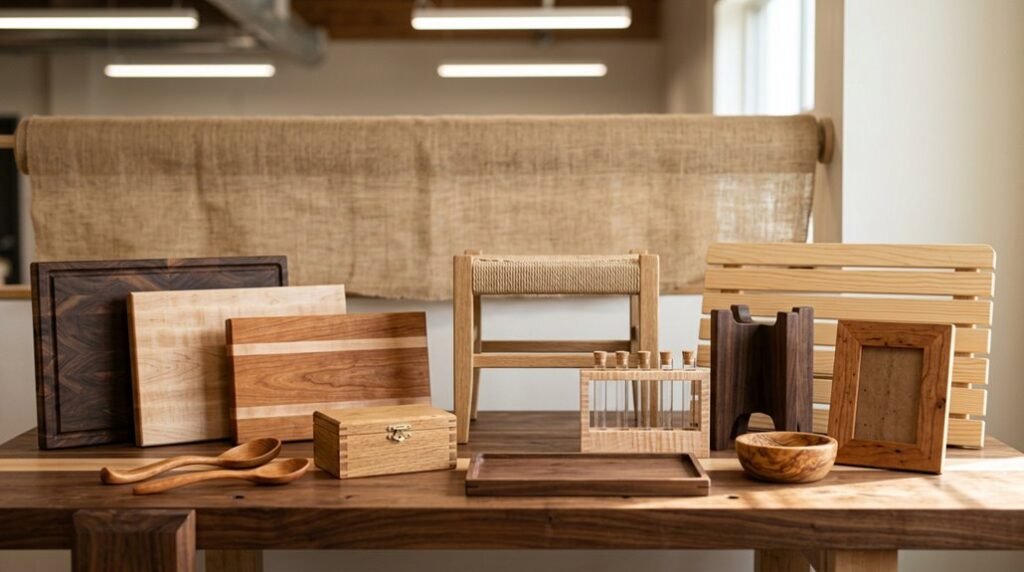
If you think woodworking’s just about building birdhouses, you’re missing the biggest money-making opportunity in craft markets right now. I’m here to show you exactly what’s selling well in 2026, from live-edge boards commanding premium prices to custom dining tables that fund your entire workshop.
Here’s what most makers don’t realize: the real profit isn’t just in what you build, it’s in how you position it. Let me explain the strategy.
Live Edge Boards: High-Margin Starter Projects
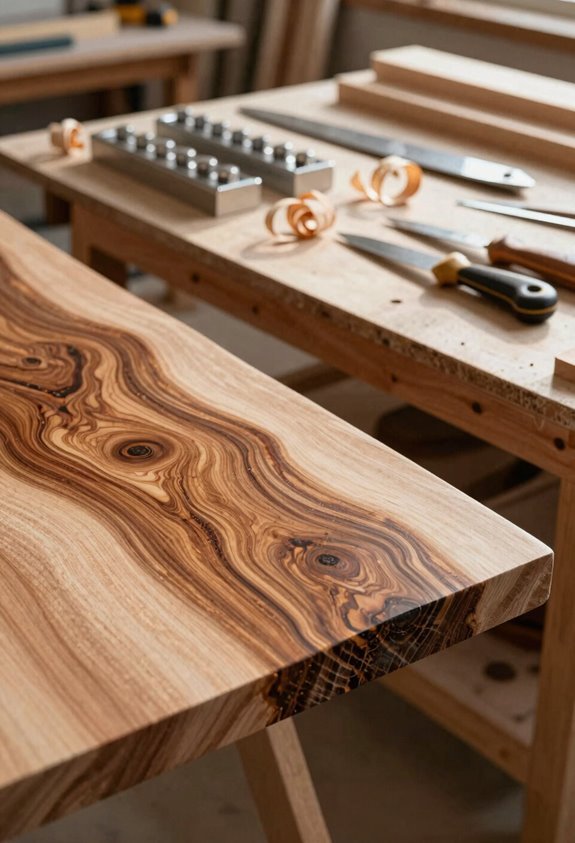
If you’re looking to launch a woodworking business without mastering complex techniques first, live edge boards might be your best entry point. These projects are quite profitable; you’ll find yourself earning $75 to $600+ per board depending on materials and design complexity.
What makes them high-margin starter projects? Simple boards take just 2–4 hours, while fancier epoxy palettes designs stretch to a few days. You’re joining a community of makers who’ve discovered that quality wood like spalted maple and black walnut sells itself.
Here’s your competitive edge: signature handle designs and unique epoxy palettes set your work apart. Stage finished boards with cheeses and wine to showcase them as charcuterie boards. Suddenly you’re speaking directly to gift-givers and entertainers, and you’ve found your niche.
Custom Dining Tables: Premium Projects for Established Makers
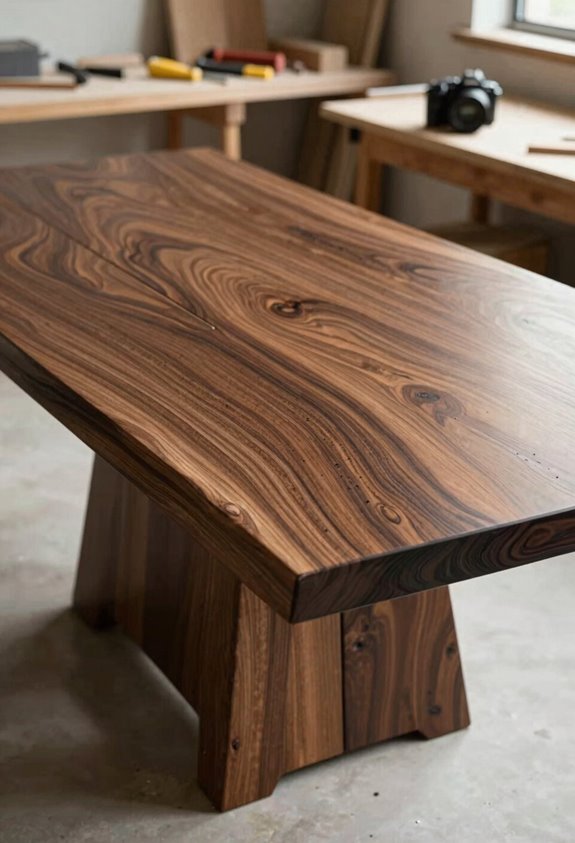
Once you’ve built confidence and a client base with live edge boards, you’re ready to tackle the big leagues: custom dining tables that command $3,000 to $15,000+ per project.
Once you’ve mastered live edge boards, custom dining tables commanding $3,000–$15,000+ await.
These premium woodworking pieces target affluent homeowners, designers, and corporate spaces. Here’s your roadmap:
- Showcase black walnut and live edge slabs — your signature materials that justify premium pricing
- Offer design consultations — spend time understanding clients’ visions and securing 50% non-refundable deposits upfront
- Build installation partnerships — collaborate with engineers to handle complex delivery and setup
Document every build for portfolio marketing. High-end clients expect durability, stability, and bespoke finishes.
These 40–100+ hour projects span weeks, but the profit margins and prestige help you grow from maker to established craftsperson. Your reputation becomes your greatest asset.
Wooden Bowls: Building Signature Collections for Repeat Sales
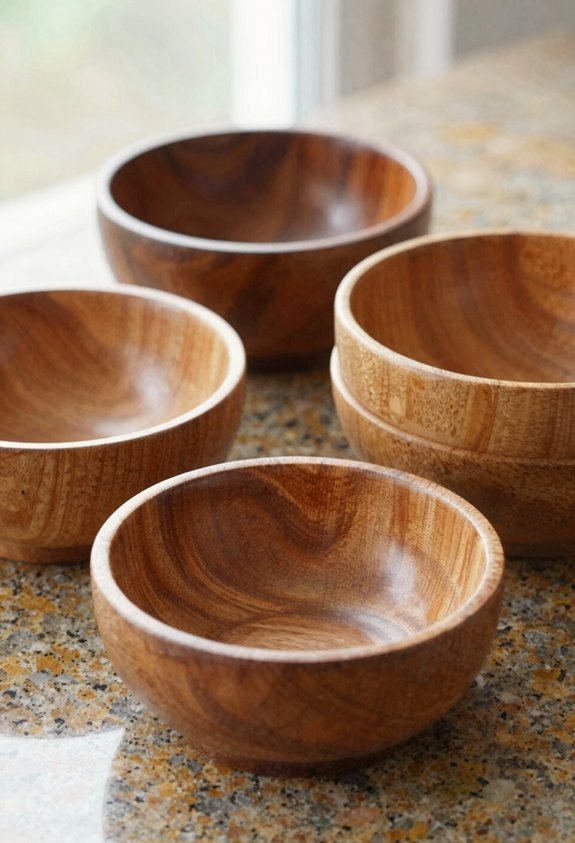
Three things separate woodturners who sell a few bowls from those who build thriving bowl businesses: a recognizable style, smart pricing, and a clear marketing strategy.
I’ve found that signature collections, such as live-edge or epoxy-inlaid designs, create a memorable brand customers return to. Using premium high-end woods like Black Walnut and Hard Maple with food-safe finishes positions your wooden bowls as gifts worth $75 to $500 or more.
Here’s what works: develop three to five signature styles. Offer nested sets to increase order value. Target collectors, designers, and galleries who appreciate craftsmanship.
Share your process through videos showing the turning and finishing. This storytelling builds trust and justifies your pricing.
Repeat sales follow when customers recognize your work immediately and feel part of an exclusive community of makers.
Picture Frames and Wall Art: Customization Premium Positioning
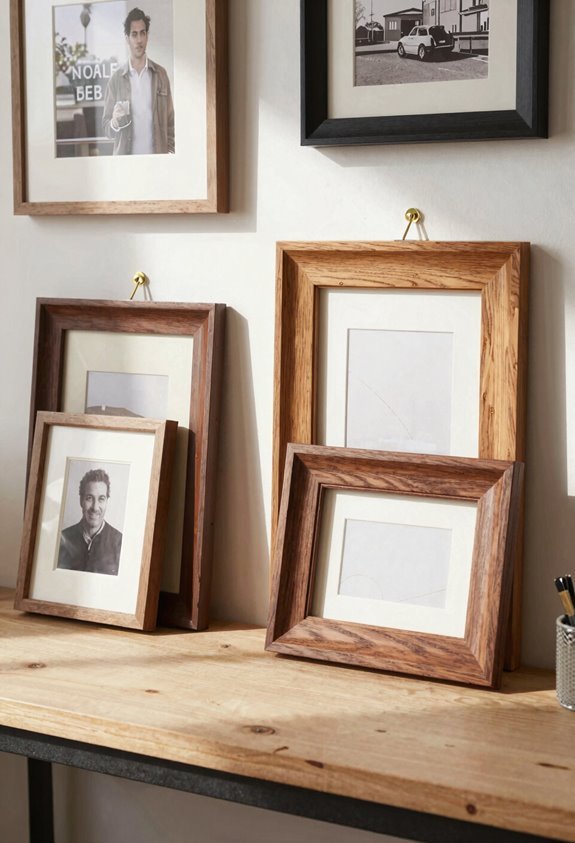
When you offer bespoke design services for custom wooden frames, you’re positioning yourself in a market where buyers’ll pay premium prices for personalization. Think hand-selected wood types, custom dimensions (like 8×10 or 11×14 inches), and border designs featuring colorful hearts or elegant florals that match a customer’s specific décor.
Your excellence in craftsmanship, including precise angled corners, secure back grooves for glass, and that warm natural wood grain, separates your handmade frames from mass-produced store options and justifies higher price points at craft fairs and galleries. By marketing these frames as bespoke, high-value pieces rather than generic wall art, you’ll attract customers seeking meaningful, one-of-a-kind gifts willing to invest in quality.
Bespoke Design Services Excellence
Picture frames and wall art are where customization truly shines, allowing you to command premium prices by offering something mass-produced retailers simply can’t match.
When you master bespoke design, you’re tapping into what collectors actually want. Here’s what sets your work apart:
- Personalized borders and tailored materials – Use exotic wood species, custom matting, and unique finishes that reflect each client’s vision
- Limited editions and handcrafted details – Create signature collections with intricate joinery that justify higher margins
- Premium customization storytelling – Share the craftsmanship behind your custom frames, building emotional connection
Partner with local photographers and artists to build credibility. When you offer handcrafted wall art paired with custom framing, you’re not just selling frames; you’re selling identity.
Your clients aren’t buying products; they’re investing in pieces that tell their personal stories.
Premium Positioning Market Strategy
Since most customers can grab a frame at any big-box store for $20, your custom frames need to command higher prices by offering something genuinely different. I’ve found that premium framing succeeds through bespoke craftsmanship showcasing premium woods with visible grain patterns and precision joinery that mass-produced frames can’t match.
Target your market strategically. Homeowners, artists, and interior designers seek gallery partnerships and storytelling about your materials’ origins. That narrative justifies higher margins, often 60-70% above standard frames.
Here’s what works: limited collections featuring signature finishes, personalized borders, or pressed flower options. High-quality marketing photos showing your craftsmanship details are essential.
Partner with local photographers and galleries to build credibility. When customers understand your frame’s uniqueness—the hand-selected walnut, custom back grooves for glass—they’ll happily invest in the story behind their purchase, creating spaces that reflect their personal style.
Acoustic Panels: Capturing Home Studio and Recording Markets
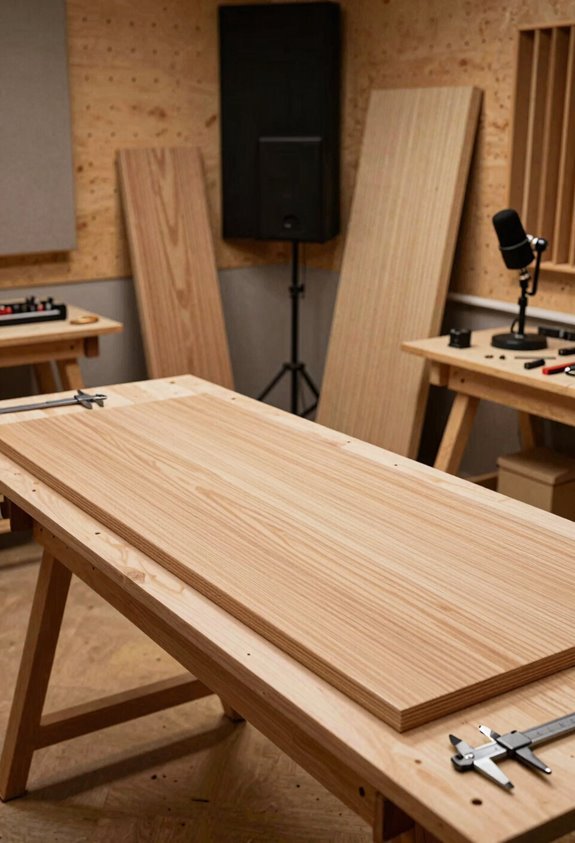
How’d you like to turn sound problems into profit opportunities?
Acoustic panels tap into a goldmine. Home studios and recording studios need serious sound absorption, and you’re positioned to deliver it. Here’s why this market’s booming:
- Premium woods drive value — walnut, oak, and custom finishes create panels into design statements that clients actually want visible
- Customization commands premium prices — frame materials, wood species, and decorative patterns let you charge more than standard solutions
- Market credibility sells fast — partner with installers and engineers, then showcase before/after visuals that prove your acoustic performance works
Your competitive edge? You’re not just solving sound problems—you’re creating beautiful installations that integrate seamlessly into professional and residential spaces. That dual value proposition is what makes acoustic panels genuinely profitable right now.
Desk Organizers: Compact Projects With Corporate Gift Appeal
While acoustic panels solve sound problems at a larger scale, desk organizers tackle a different profit angle; they’re small, fast to build, and they speak directly to people drowning in clutter. I’ve found that desk organizers hit the corporate gifting sweet spot because they’re practical yet thoughtful.
You can build docking stations, key holders, and cable organizers in hours using scrap wood and small components, keeping costs down. Add premium finishes and laser engraving for personalization, and suddenly you’ve got gift-ready packaging that feels well-considered. Sustainable wood sourcing strengthens your story because people appreciate craftsmanship.
Bundle these items for higher margins. Small-batch production lets you test designs quickly at craft fairs or online marketplaces. Lightweight shipping means faster delivery. That’s the desk organizer advantage: high perceived value, low overhead.
Jewelry and Storage Boxes: Heirloom Pieces for Gift Markets
When you craft a jewelry box or storage organizer, you’re not just building a functional piece; you’re creating something families will pass down for generations. I’ll show you how to combine heirloom-quality craftsmanship with smart design choices that make these boxes appealing to gift buyers shopping for weddings, anniversaries, and special occasions.
Heirloom Quality and Craftsmanship
Many of today’s best-selling woodworking projects aren’t flashy or trendy—they’re pieces that’ll still be treasured fifty years from now. I’ve found that heirloom quality storage truly resonates with gift buyers seeking something meaningful.
Here’s what makes these pieces special:
- Premium woods like walnut, cherry, and maple increase perceived value and longevity
- Custom finishes and personalized inlays create distinctive boxes that become family treasures
- Laser engraving adds names or dates, making each piece uniquely memorable
The craftsmanship story matters as much as the product itself. When you emphasize handcrafted details and durability, you’re selling more than storage; you’re offering legacy.
Heirloom quality storage solutions command premium pricing because they’re built to last generations. Weddings, anniversaries, and graduations become perfect occasions for these personalized pieces.
Gift Market Appeal and Positioning
Why do jewelry boxes and storage organizers consistently outperform other woodworking projects in the gift market? They’re premium gift options that hit differently. I’ve found that buyers love presenting pieces they’ll treasure for years.
Here’s what makes them winners:
Presentation Matters
Elegant packaging brings out the best in your work. I pair each box with felt pouches or wooden cases; this gift-ready approach justifies higher prices.
Personalization Drives Sales
Laser engraving and custom inlays create emotional connections. Adding initials or dates converts standard boxes into keepsakes people won’t part with.
Multiple Revenue Streams
Corporate gifting budgets are substantial. Graduations, retirements, and weddings provide steady demand. Bulk orders multiply your profits significantly.
Storytelling Sells
I highlight craftsmanship and material provenance. Exotic burls and domestic hardwoods deserve explanation. This positions your work as investment-grade pieces customers proudly gift.
Design, Materials, and Pricing Strategy
How do you turn a basic wooden box into a treasured heirloom that commands premium prices? The answer lies in strategic material and design choices.
I’d recommend focusing on three key elements:
- Premium hardwoods – Select walnut, maple, or cherry instead of MDF or softwoods. These woods resist fading and justify higher price points.
- Artistic details – Add inlays or marquetry work that increases perceived value and catches gift buyers’ eyes.
- Customization options – Offer personalized engravings and monograms that strengthen emotional connections.
Your pricing strategy should reflect material costs, time-intensive craftsmanship, and market demand. I’ve found tiered offerings work well with mid-range keepsakes at $150–$300 and premium boxes at $500+.
Durable finishes and tight joinery reinforce heirloom quality, making your boxes resale-worthy investments in gift markets.
Serving Platters: Capturing Holiday and Wedding Season Demand
When’s the best time to stock your workshop with serving platter projects? Right now. Holiday season demand and wedding season demand create a goldmine for woodworkers like us.
Wooden serving platters fall into the charcuterie boards category, and they’re truly appealing gifts. Here’s why they sell:
High-margin potential: Small-to-mid-sized hardwood blanks shaped and sanded with food-safe finishes generate solid profits without requiring massive material investments.
Personalization appeal: Laser engraving adds individuality. Couples love custom names; hosts appreciate monogrammed designs.
Artisanal craftsmanship attracts buyers seeking authentic, handmade quality over mass-produced alternatives.
Collection strategy works: Pair platters with matching boards or bowls, increasing average order value.
Farmers markets, online shops, and galleries eagerly stock these items. Showcase yours with lifestyle photos featuring cheeses, fruits, and wine. You’ll tap into real seasonal demand that keeps orders flowing through winter and spring.
Wall Signs and Clocks: Personalized Décor for Omnichannel Sales
I’ve found that personalization is your strongest sales lever in this category. Customers will pay premium prices when they see their name, favorite quote, or family photo printed directly onto wood.
You’ll want to build a multi-channel approach that sells these pieces online through your own shop, at craft fairs where customers can order custom designs in person, and through galleries or gift markets that reach different buyer audiences. Timing matters too: design trends shift seasonally, with rustic farmhouse styles popular in fall and minimalist modern styles in winter. You’ll maximize profits by adjusting your inventory and marketing messages throughout the year rather than offering the same designs month after month.
Personalization Drives Sales Growth
What transforms a standard wooden clock into a bestseller? Personalization. I’ve discovered that customization options dramatically boost sales across wall decor markets.
Here’s what drives growth:
- Engraving and monograms — Adding initials or family names increases gift appeal for weddings and anniversaries, creating emotional connections customers crave.
- Full-color photo printing — Direct wood printing makes basic timepieces into unique wall art, perfect for home offices and studios.
- Inspirational quotes — Customized signs with personalized messages differentiate your products and expand your reach.
Premium pricing follows naturally when you emphasize craftsmanship and material quality. I’ve seen customers willingly pay more for pieces that feel distinctly theirs.
This personalization strategy works across omnichannel sales: online, craft fairs, and galleries all benefit. You’re not just selling wood pieces; you’re offering personalized treasures that belong in someone’s special space.
Multi-Channel Marketing Strategies
How do you get personalized wooden clocks and signs in front of buyers across online stores, craft fairs, and galleries all at once? You’ll need a solid multi-channel marketing plan.
Start with branding consistency: use the same logo, color scheme, and storytelling imagery everywhere. This familiarity builds trust with your audience.
Next, establish customization pathways that work across channels. Whether someone orders online or visits your booth, they’re choosing from the same wall signs and clocks options: engraved names, inspirational quotes, or bold lettering.
Create pricing tiers (basic, mid-range, premium) so you capture different budgets. Package everything beautifully; presentation matters whether shipping or handing over items in person.
Finally, use high-quality storytelling imagery showcasing wood grain warmth and craftsmanship details. This visual approach sells the story behind your work.
Design Trends and Timing
Once you’ve locked in your branding and pricing across all your sales channels, you’ll want to focus on what actually makes customers reach for their wallets: design trends that feel current and relevant.
For omnichannel sales, I’m seeing three major shifts:
- Natural wood grain prominence – Customers crave authentic textures. Showcase the wood’s real character rather than heavy staining.
- Personalized signage with laser engraving – Names, family monograms, and meaningful quotes increase perceived value. This customization drives repeat purchases.
- Functional wall art – Custom wood signs paired with wall clocks combine decoration and utility. Border designs in floral or geometric styles expand appeal across home offices and living spaces.
Timing matters too. Launch personalized collections during gifting seasons. The natural wood grain aesthetic stays relevant year-round, making these pieces solid performers across all channels.
How to Price, Market, and Scale Your Woodworking Business in 2026
Because pricing, marketing, and growth work together like wood grain and finish, you’ll want to tackle them as one strategy rather than three separate problems.
Start by pricing high-margin items, like live-edge tables and custom furniture, with deposits securing your cash flow. Use a profit calculator tracking materials, labor, and shipping to maintain healthy margins. Your pricing strategy should reflect the story behind each piece.
Next, build multi-channel sales across galleries, online shops, and local craft fairs. Test micro-markets to gauge demand before scaling. Bundle products and offer tiered packaging options, from basic to premium, encouraging repeat purchases.
| Channel | Best Items | Pricing Range |
|---|---|---|
| Online | Boards, bowls | $50–$500 |
| Galleries | Live-edge tables | $3,000–$15,000 |
| Local markets | Small accessories | $20–$200 |
| Restaurants | Custom installations | $5,000+ |