
I’ve learned that turning woodworking into a real income source isn’t about jumping straight into complex furniture builds. Instead, you’ll want to start by picking one product: cutting boards, small boxes, or shelving, and mastering it before expanding.
The truth is, most people skip the testing phase and waste money on tools they don’t need. So here’s what I’m going to show you: a practical roadmap that takes you from your first cuts to your first profits.
Step 1: Choose Your Woodworking Product and Build Core Skills

Before you can turn woodworking into a profitable side hustle, you’ll need to develop real skills and decide what you’re actually going to make.
Start by exploring core product areas like cabinetry, custom furniture, and crafts. Each specialization builds your craftsmanship foundation differently. Take courses from Woodworkers Guild of America or find a hands-on mentor who’ll accelerate your learning curve.
Your core-skills development happens through consistent practice. Work on multiple projects, such as cutting boards, shelves, or simple tables, to discover what excites you. Document everything for portfolio-building purposes.
Master the fundamentals first: proper measurements, wood selection, and finishing techniques. Pinterest offers endless project inspiration. Before scaling production or landing clients, refine your techniques thoroughly. This groundwork determines your success as a woodworking entrepreneur.
Step 2: Invest in Essential Tools and Equipment
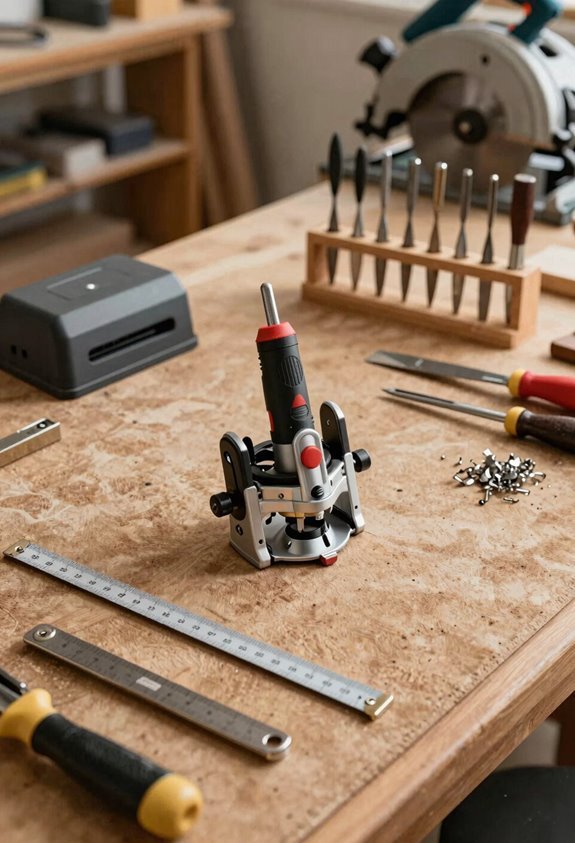
Once you’ve honed your skills and know what you want to build, you’ll need the right tools to bring those projects to life. Start small with basics: panel sticks, threaded screws, hand drills, routers, tape measures, sanders, and saws. You don’t need everything immediately; scale up as your projects grow.
Essential Equipment to Prioritize:
- Woodworking tools matching your furniture type
- Safety gear including gloves, eyewear, and protective clothing
- Quality tape measures and sanders
Don’t skip protective equipment. Gloves and eyewear keep you safe during production. As you progress, consider advanced options like laser cutters for working with different materials.
Budget wisely. Reinvest roughly 80% of income into upgrading tools and moving toward efficient, batch-produced outputs. This investment builds your professional capabilities steadily.
Step 3: Test Your First Product Before Scaling
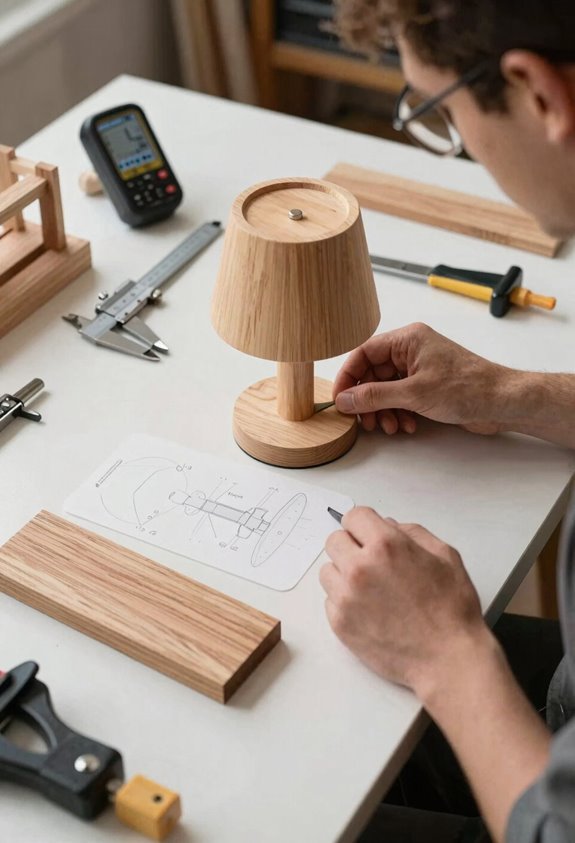
You’ve got your tools and you’ve practiced your craft—now it’s time to build something real and sell it. I’d recommend starting a woodworking product with at-cost pricing to generate quick wins and real feedback. Here’s my approach: pick one simple item like cutting boards or small boxes.
Produce 10–15 units to test your workflow and identify production bottlenecks. Batch producing similar pieces reveals how long each step takes and where you can improve consistency. Initial product testing through friends or local markets shows you what customers actually want versus what you assumed they’d buy.
Use their feedback to refine your design and pricing before scaling up. This low-risk method builds your portfolio while proving demand exists, which is exactly what attracts serious opportunities later.
Step 4: Organize Your Workshop for Batch Production
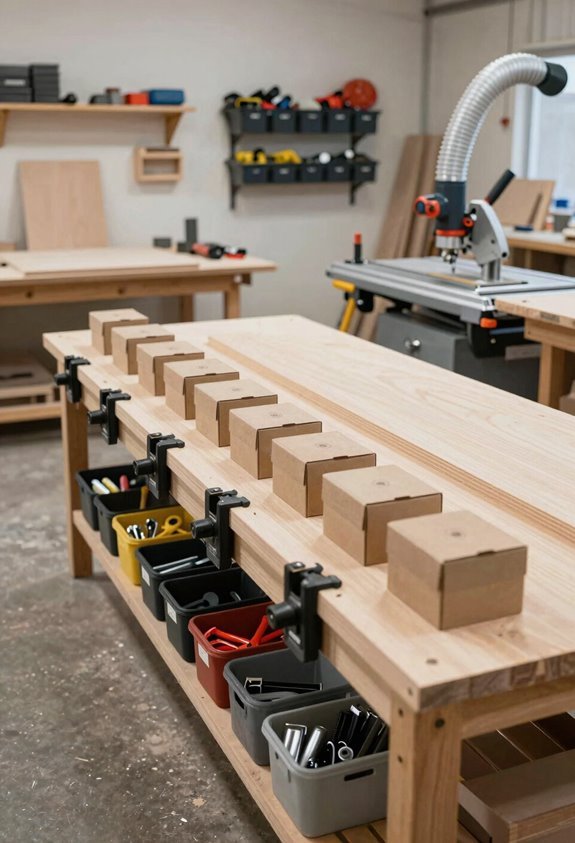
How does your shop layout actually support making 10 cutting boards at once instead of one at a time? Strategic workshop organization improves your efficiency dramatically.
Start by grouping workstations by task: cutting station, sanding area, finishing zone, and assembly space. This layout minimizes movement and tool switching. Create standard operating procedures with written checklists detailing exact paint colors, finish types, and assembly steps for each batch production run.
Dedicate specific zones with identical materials staged nearby. Stock your cutting station with lumber pre-measured for multiple boards. Set up your sanding area with grits organized sequentially.
Batch production demands consistency. Use the same brushes, stains, and techniques across all items in your run. This repetition builds speed while maintaining quality control.
Step 5: Choose Your Sales Channel (Etsy, Facebook, or Local)

Once you’ve got your workshop humming with batch production, you’ll need to pick the right platform to sell your creations. The key is that you don’t have to choose just one.
Etsy works great for finished batch products like cutting boards or decorative boxes since it reaches customers nationwide and handles shipping logistics. Facebook Marketplace lets you sell locally and skip those shipping headaches altogether. Direct sales through your own network and local markets give you the highest profit margins.
A multi-channel approach lets you capture different customers and test which method works best for your woodworking side hustle by combining all three channels.
Etsy For Batch Products
Many woodworkers find that Etsy opens doors to customers they’d never reach from their garage alone. When you’re doing batch production, making multiple identical items at once, Etsy becomes your perfect partner. You’ll list your wooden boxes, cutting boards, or organizers with clear photos and descriptions, then fulfill orders as they arrive.
Here’s why batch production works on Etsy: you’re making several pieces simultaneously, which cuts costs and time. This approach also helps with product validation, letting you test what customers actually want before committing to larger investments.
Start with 5-10 items per batch. Take quality photos showing your craftsmanship. Write descriptions mentioning materials, dimensions, and care instructions. Consistent, repeatable production means you can handle multiple orders without scrambling.
You’ll build confidence while reaching international buyers in the US, UK, and beyond.
Facebook For Local Sales
While Etsy opens doors to buyers across the country and world, Facebook keeps your best customers close to home, and that’s where you’ll find your fastest sales in year one. I recommend creating a Facebook Business Page immediately to showcase your woodworking projects through progress photos and finished pieces. Post frequently, especially weekends, sharing authentic work updates rather than polished logos. This builds your company identity naturally while attracting local followers genuinely interested in your craft.
Facebook’s local sales advantage lies in word-of-mouth momentum. Your neighbors become your marketing team. Post regularly with quality content: project transformations, techniques, behind-the-scenes shots. Rather than spamming requests for follows, focus on building real engagement.
Later, integrate branded merchandise and video content to deepen your connection with followers. You’re not just selling; you’re inviting your community into your woodworking journey.
Direct Sales Channels Matter
You’ve got quality pieces ready to sell, now comes the decision that’ll shape your first year’s income: which sales channel gets your focus?
I recommend starting with multiple channels simultaneously. Etsy works great for smaller items shipped nationwide. Facebook lets you tap local buyers directly, reducing shipping hassle. Build your online presence through regular posts showing your work’s progress.
Your branding matters here. Professional photos, consistent messaging, and a polished website establish credibility across whichever platform you choose. This direct sales approach means you’re controlling the relationship with customers, not competing through marketplaces.
Start where your target audience already hangs out. US, UK, France, and Germany buyers exist on these platforms. Test each channel for three months, track which generates actual orders, then double down on what works for you.
Step 6: Determine Profitable Pricing and Reinvest Wisely
You’ll want to start with at-cost or low pricing to build your portfolio and land that first big client who’ll showcase your work. As your skills improve and demand grows, you’ll gradually raise prices while reinvesting about 80% of your income back into better tools and materials.
Consider upgraded saws or sanders from Facebook Marketplace instead of brand-new ones. This growth-focused approach means you’re building toward higher-margin items like wooden combs later, rather than maxing out profits today.
Start Low, Build Gradually
How do I actually make money while I’m still building my skills and reputation? Start low with pricing, offer work at or near material cost initially. This strategy builds your portfolio fast while attracting that essential first big client who’ll refer others.
| Growth Phase | Pricing Strategy |
|---|---|
| Month 1-3 | At-cost materials only |
| Month 4-6 | 15-20% markup |
| Month 7-12 | 30-40% markup |
| Year 2+ | Market-rate pricing |
Reinvest roughly 80% of earnings back into your business. Grab used tools and equipment upgrades, they’re cheaper and equally effective.
Place finished work in visible spots as free advertising. Your early projects become walking billboards, generating referrals that eliminate expensive marketing. Build gradually. This approach keeps cash flowing while your reputation grows alongside your capabilities.
Reinvest For Growth
Now that your pricing strategy’s in place and projects are rolling in, here’s where most woodworkers make or break their business: deciding what to do with the money.
Here’s my approach: reinvest roughly 80% of your income back into the operation. This aggressive reinvestment accelerates growth and improves your cash flow considerably.
Where I direct that reinvestment:
- Used tools from Facebook Marketplace or yard sales (cheaper entry point)
- Equipment upgrades only when financially justified
- Batch production setups that free up time for more orders
Smart investing means treating tools strategically. Buy used, utilize them fully, then resell at decent resale value. This cycle sustains your cash flow while continuously upgrading capabilities.
The remaining 20%? That’s yours. You’re building something real here, one smart decision at a time.
Equipment Purchase Strategy
When should you actually buy that new tool or machine? I’ve learned the hard way: only when it directly increases what you can produce and sell.
My budgeting approach:
- Reinvest 80% of profits into equipment
- Source used tools from Facebook Marketplace, Craigslist, and yard sales first
- Upgrade only when financially justified by increased output
The batch-production advantage means I buy tools that handle multiple projects efficiently. If I’m making cutting boards, I’ll purchase a quality saw that handles ten boards, not just one.
Start small. Buy versatile equipment that works across different projects. A good orbital sander or drill press pays for itself quickly through faster batch-production runs.
As profits grow, upgrade strategically. This disciplined approach keeps cash flowing while steadily building your shop’s capabilities.
Step 7: Launch, Gather Customer Feedback, and Scale Production
Why does launching your woodworking business feel like you’ve just opened a door to a room full of valuable information? Because it has. Your first sales, whether through Etsy or local clients, reveal exactly what customers want. Listen closely to their feedback. It’s your roadmap for improvement.
Your first sales reveal exactly what customers want. Listen closely to their feedback—it’s your roadmap for improvement.
Start with batch optimization. Track which items sell consistently and which need custom handling. This tells you what to produce in larger quantities.
Monitor order quality, delivery times, and communication closely. These metrics expose bottlenecks. Implement small, repeatable improvements: refine your packaging, improve finish consistency, reduce returns.
As demand grows, scale production gradually. Add equipment, workspace, or labor only when sales confirm you’re ready. You’re building something sustainable, not chasing hype.