I’ve found that starting a woodworking project doesn’t mean spending a fortune on materials. You can build quality pieces using affordable woods that work just as well as expensive options if you know which ones to choose.
Pine, poplar, and red oak are solid choices, but there’s a catch: each wood has different strengths depending on what you’re making. Let me show you how to pick the right budget wood for your next project.
Pine: The Most Affordable Wood Option
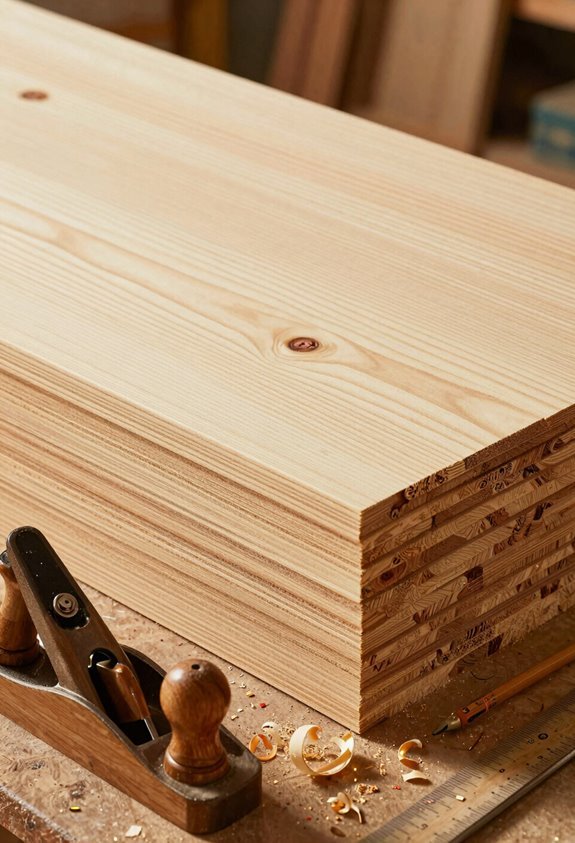
Why’s pine the go-to wood for budget-conscious woodworkers? I’ll tell you: it’s abundant, easy to mill, and widely stocked, which keeps costs remarkably low. You’re looking at roughly $2.00–$3.50 per board foot, though regional variations apply.
Pine’s versatility makes it perfect for numerous projects. I use it for framing, shelving, rustic tables, and trim work. SPF studs handle structural jobs well, while yellow pine offers extra stiffness for decks and floors.
Want affordable wood flooring? Pine works great in low-traffic rooms. The beauty of pine? You control its appearance. I stain it for a warm, natural look or paint it to hide knots and color variation.
This affordable wood adapts to whatever aesthetic you’re chasing. That’s why low-cost woodworking often starts with pine.
Poplar: Budget-Friendly Hardwood for Painted Projects
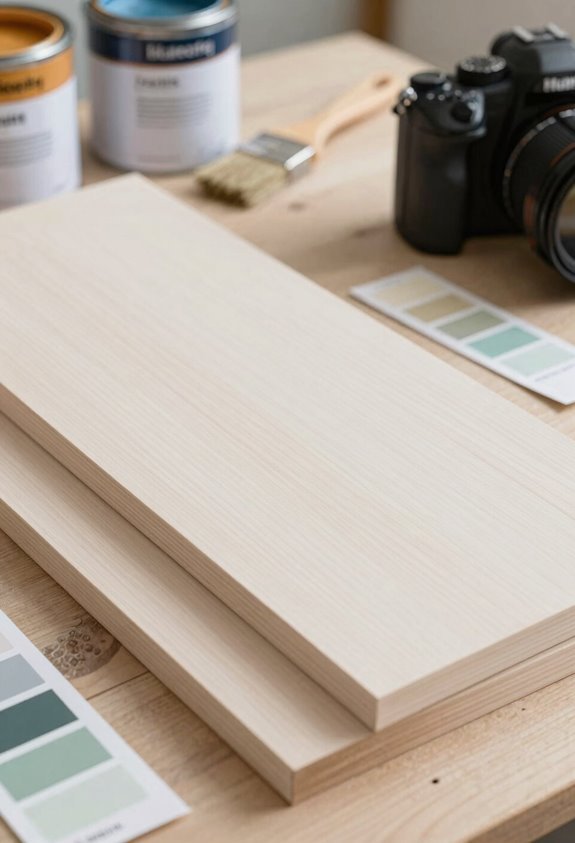
If you’re planning a painted cabinet or built-in and want to save money without sacrificing quality, poplar deserves your attention because it paints more evenly than pine and costs only $3.00–$5.00 per board foot.
I’ve found that poplar’s stability makes it an excellent stand-in for pricier hardwoods, especially when you’re using primer and sealer to prevent blotching. Compared to alternatives like oak or maple, poplar gives you quality results at a fraction of the price, making it perfect when your budget matters as much as your final finish.
Paint Performance And Stability
Because poplar’s grain structure is so uniform and stable, it’s become my go-to choice whenever I’m tackling painted furniture or built-in projects on a budget. Here’s why it works so well: poplar’s even grain accepts paint smoothly, with minimal blotching compared to pine. This stability means your finished surfaces look professional without extra sanding or prep work.
The affordability doesn’t compromise paint performance. Standard primers and paints adhere beautifully to poplar, creating durable coatings that resist chipping. You’ll notice fewer brush marks and drips since the wood accepts color evenly.
If you’re milling rough stock in-house, you’ll cut costs further while improving stability. Planing poplar yourself reduces material waste and gives you perfectly flat surfaces ready for painting. That combination of affordability and reliable paint performance makes poplar unbeatable for budget-conscious woodworkers seeking professional results.
Cost Comparison With Alternatives
When you’re pricing out materials for a painted cabinet or bookshelf project, poplar typically runs $3.00–$5.00 per board foot, making it noticeably cheaper than premium hardwoods like oak or maple.
| Wood Type | Price/Board Foot | Best For | Drawback |
|---|---|---|---|
| Poplar | $3.00–$5.00 | Painted projects | Soft surface |
| Pine | $2.50–$4.50 | Budget builds | Blotchy stain |
| Oak | $6.00–$8.00 | Stained work | Higher cost |
| Maple | $7.00–$10.00 | Premium finish | Expensive |
I’ve found that choosing poplar saves you real money without sacrificing quality. You’re getting an affordable hardwood option that doesn’t feel cheap.
For painted face frames and cabinet doors, poplar delivers a professional look while keeping your budget-friendly project actually affordable. Local pricing varies, but you’ll consistently find poplar competitive against other species in your area.
Alder: Rustic Character at Low Cost
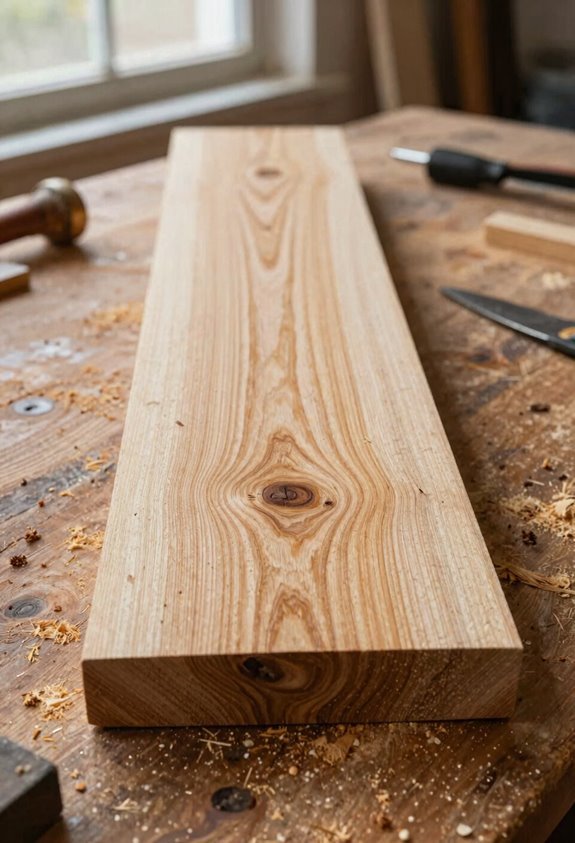
Why settle for expensive hardwoods when alder delivers charm without breaking your budget? I’ve found alder to be an excellent choice for woodworking projects where cost matters. Available primarily in Western states, it typically runs under $6.00 per board foot, seriously affordable for quality wood.
You’ve got two main choices: knotty alder gives that authentic rustic vibe, while clear alder offers a cherry-like appearance at lower prices. Both work beautifully for stained cabinets, doors, and casual furniture.
Here’s what I recommend: pre-drill your fasteners to prevent splitting, and always test stains first. Watch how the end grain absorbs finish; it drinks differently than flat surfaces. With smart planning, alder lets you create professional-looking projects without emptying your wallet.
Soft Maple: Fine Grain Without the Premium Price
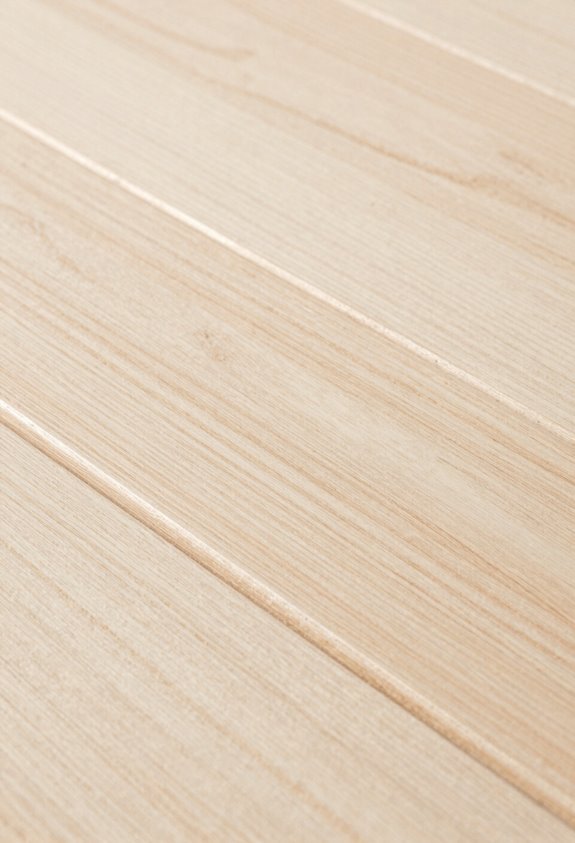
If you’re looking for a hardwood that won’t drain your budget, soft maple delivers fine grain and figure, those natural patterns in the wood, at a fraction of the cost of premium options like cherry or walnut. I find it’s particularly excellent for painted projects and cabinetry since it accepts primer and paint smoothly without the blotching problems you’d encounter with softer woods like pine, giving you that polished hardwood appearance without the premium price tag.
Whether you’re building furniture, cabinet doors, or decorative trim, soft maple offers that hardwood-like quality and aesthetic appeal that justifies its place as a cost-conscious alternative.
Affordability Compared To Premium Hardwoods
Most woodworkers quickly discover that premium hardwoods like walnut and cherry can drain a project budget fast: we’re talking $8 to $12 per board foot compared to soft maple’s $3 to $5 range.
That’s a significant difference when you’re building multiple pieces. I’ve found that soft maple delivers remarkable value without compromising quality. It’s your paint-friendly base that accepts finishes beautifully, giving you that refined look you’d expect from pricier woods.
What makes soft maple stand out is its consistency. You’ll get an attractive figure and smooth surface suitable for finished pieces. The affordability means you can tackle more ambitious projects or experiment with designs without financial stress. You’re joining a smart community of builders who recognize that premium hardwoods aren’t always necessary for professional results.
Finishing And Paint Application Benefits
Once you’ve chosen soft maple for its budget-friendly price tag, you’ll discover another advantage that makes it genuinely useful for finishing work: it’s excellent to paint and stain. I’ve found soft maple provides an excellent paint base with its fine grain structure, creating smooth, natural-looking results. Unlike pine, it paints evenly with minimal blotching, that frustrating uneven color absorption that plagues cheaper woods.
When staining, I always apply a wood conditioner first. This step prevents blotching and helps achieve uniform color throughout your project. The real benefit happens when you sand, seal, and apply multiple coats in-house. Each layer builds a polished appearance that rivals expensive hardwoods. You’re getting premium-quality finishing without the premium price tag, making soft maple perfect for painted cabinets, furniture, and decorative pieces.
Ideal Project Applications And Uses
Where should you actually use soft maple in your workshop?
I’ve found soft maple shines in projects where you’re painting rather than staining. It’s your go-to for cost-effective pieces that don’t demand premium hardwoods. The wood’s workability makes it forgiving for builders at any skill level.
Consider these ideal applications:
- Painted furniture – Dressers, shelving units, and cabinets look polished without breaking your budget
- Built-in trim – Crown molding and baseboards accept paint smoothly when milled as 4/4 or 6/4 stock
- Cabinet faces – The fine grain finishes uniformly, avoiding the blotchy appearance pine sometimes shows
- Decorative accents – Picture frames and wall panels where you want refined aesthetics affordably
Soft maple balances workability with price, making it perfect when you’re prioritizing function over showcasing natural wood grain.
Ash: Open-Grain Durability on a Budget
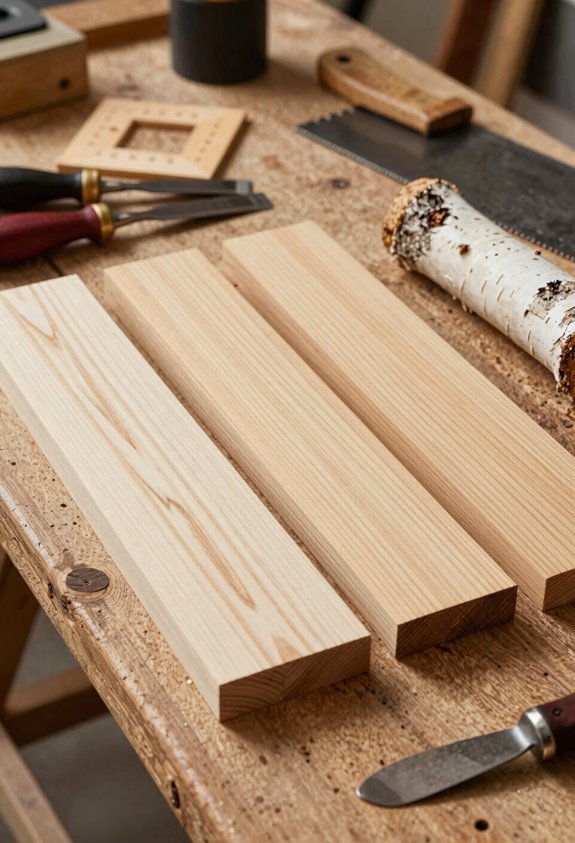
Because you’re looking for a hardwood that won’t drain your wallet, ash is worth serious consideration for your next woodworking project. At $5.95–$6.50 per board foot, this open-grain wood delivers impressive durability without the premium price tag of exotic hardwoods.
What makes ash special? Its visible pore pattern creates that distinctive, natural texture woodworkers love. You’ll find it’s practical for turning blanks and laser-ready projects alike; basically, anything requiring a sturdy alternative to pricier options.
Here’s the budget comparison: ash sits between affordable woods like pine and poplar, yet rivals red oak in many markets. You’re getting legitimate hardwood quality at a budget-friendly cost. For makers seeking open-grain character with real staying power, ash represents smart economics without sacrificing the workability or appearance you want in finished pieces.
Red Oak: Affordable Hardwood Flooring and Furniture
While ash gives you open-grain character, red oak steps up as the go-to hardwood when you’re building furniture or laying floors on a tight budget. I’ve found red oak delivers serious value because it combines durability with affordability.
Red oak delivers serious value for budget-conscious woodworkers, combining durability with affordability for furniture and flooring projects.
Here’s why red oak works so well for budget-conscious woodworkers:
- Cost-effective pricing – You’ll spend roughly $4.00–$5.70 per board foot, making it accessible compared to walnut or premium species
- Dent resistance – Its hard surface handles daily wear without showing damage quickly
- Versatile applications – Works beautifully for both flooring projects and furniture builds
- Classic appearance – Delivers that traditional hardwood look without breaking your budget
Red oak proves you don’t sacrifice quality when choosing affordable hardwood. Regional suppliers stock it readily, so sourcing stays simple. Whether you’re tackling your first floor or crafting cabinets, red oak balances performance with cost perfectly.
Where to Source Cheap Wood: Local Mills vs. Big Box Stores
How do you actually find the best deals on lumber? I’d recommend checking local mills and big-box stores; they offer different advantages. Local mills often provide rough stock (unfinished wood) at lower prices, around $2.35–$2.50 per board foot for poplar in regions like Wichita, Kansas. Big-box stores stock more inventory but charge premium prices.
For serious savings, I source from hobby sawmills or Craigslist alternatives offering seconds (slightly imperfect pieces). You’ll find kiln-dried wood ready to use or air-dried stock requiring planing afterward.
Here’s my strategy: buy mixed-grade packs or split bulk bundles with fellow woodworkers to get 5–15% discounts. Transportation matters too. Local sourcing beats shipping costs from distant mills. Compare your area’s pricing per board foot across vendors before committing.