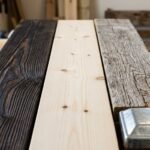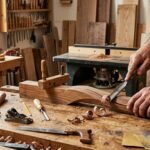

When we think about art, our minds often wander to the vast canvases painted with vibrant colors or the delicate sculptures shaped from stone. But there’s a form of art that brings the warmth and unique texture of nature right into our homes—wood carving. It’s an ancient craft that has evolved through centuries, turning simple pieces of wood into intricate artworks that tell stories, embody cultures, and showcase unparalleled craftsmanship.
At its core, wood carving is more than just cutting into wood. It’s a way of expressing creativity, where each chisel stroke adds to the narrative of the piece. Whether it’s a delicate figurine, a robust piece of furniture, or an ornate decorative panel, wood carving allows us to transform the ordinary into the extraordinary. Let’s dive into the world of wood carving and explore how this timeless craft continues to capture our imagination and decorate our lives.
Understanding Wood Carving
Wood carving stands as a multifaceted art form that embodies the transformation of a simple piece of wood into a stunning piece of art. Through this craft, artists channel their creativity and technical skills to carve wood by hand or with tools, creating sculptures, furniture, and decor that echo the beauty of nature.
Firstly, techniques play a significant role in wood carving, each providing a unique way to shape wood. Among these techniques are:
- Carving in the round, which involves shaping wood into a three-dimensional sculpture that can be viewed from any angle, reminiscent of classical statues.
- Relief carving creates a raised picture on a flat panel of wood, offering depth and perspective in a two-dimensional space.
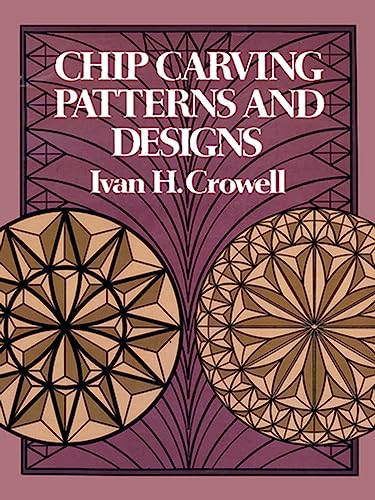
- Chip carving involves chiseling small chips from the surface, creating intricate patterns, often geometric in nature.
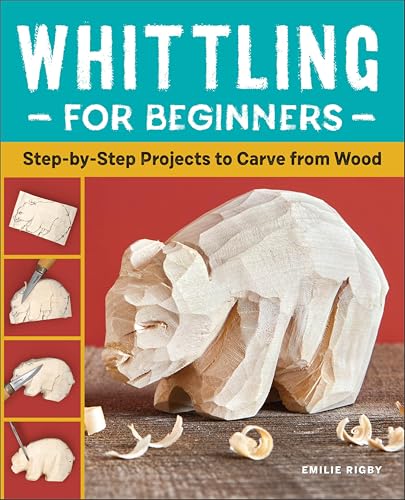
- Whittling, recognized as among the oldest forms of wood carving, uses a knife to carve raw wood into shapes and figures.
Material selection is equally important. Carvers choose their wood based on grain, hardness, and color. Popular choices include basswood, known for its fine, smooth grain and excellent for beginners, and walnut, sought after for its rich color and grain, ideal for more sophisticated pieces.
Beyond tools and materials, wood carving embodies patience, precision, and vision. Each creation starts as an idea that evolves with every cut and shave, gradually revealing its final form. It’s a tangible record of the carver’s interaction with the material, where the wood’s natural features become part of the artwork’s character.
Artists often incorporate their personal style, making each piece unique. From the realistic depictions in a highly detailed figure to the abstract beauty of modern sculptures, wood carving offers endless possibilities for expression. Transitioning from the introduction of wood carving, it’s clear that understanding the craft’s techniques, materials, and creative process allows us to appreciate the complexity and beauty of this art form even more.

Premium Blades: Drop forged CR-V steel with heat-treated edges ensures sharp precision and long-lasting durability, can be used to make finish or paring cuts on wood surfaces, as well as cut mortises

Cr-V 60 Steel Blades: Each chisel in this set is meticulously crafted from Cr-V 60 chromium-vanadium steel, and heat-treated for enhanced durability, with a hardness range of 56-61 HRC. This ensures that the blades stay sharp and durable for long-lasting use, providing precise and clean cuts every time.

Complete Wood Carving Starter Kit – Everything You Need to Begin Your Crafting Journey This professional 10-piece set includes 4 carving knives (chisel, spoon, detail, and whittling) and 6 chisels (V-gouge, round gouge, bullnose, flat, and skew). Comes with a leather strop, polishing wax, 2 sandpapers, basswood practice blocks, and cut-resistant gloves—providing all essentials for beginners to start carving with confidence
The Process of Wood Carving
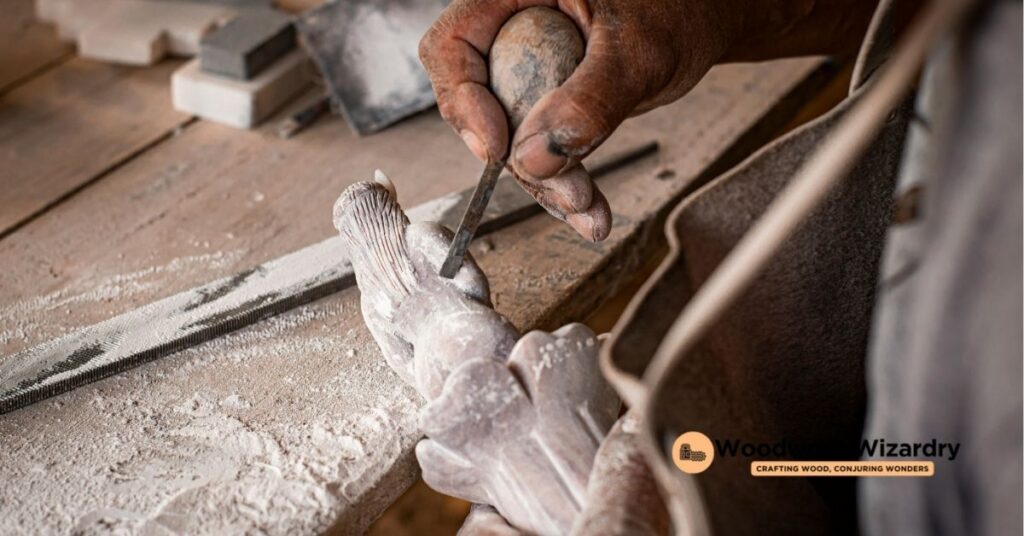
Embarking on the wood carving journey, one discovers a structured yet artistic process that evolves from selecting the right piece of wood to creating the final detailed artwork. Let’s dive into the steps and techniques that make wood carving a captivating art form.
First, selecting the right type of wood becomes paramount. Basswood, with its fine grain and soft texture, serves as an excellent choice for beginners, due to its ease of carving. For more intricate designs, harder woods like oak or walnut offer superior detail retention. The choice hinges on the design complexity and the carver’s skill level.
Next, conceptualizing the design marks a critical step. Artists either sketch directly onto the wood or use paper templates. This phase involves vision and creativity, with the design often reflecting the carver’s personal touch. Whether aiming for realism or abstraction, this step lays the groundwork for the entire project.
Following design conception, cutting and shaping the wood forms the core of the wood carving process. Carvers use a variety of tools, including knives, gouges, and chisels, each suited for specific cuts. Techniques such as carving in the round for freestanding pieces, relief carving for raised images, chip carving for geometric patterns, and whittling for simplified forms, each bring the wood to life in their way. The technique chosen depends on the final vision for the artwork.
Refining the piece with detail work involves precision and patience. Carvers intricately work to bring out the nuances of their design, adding depth and life to the piece. This step often involves the most time, as it focuses on the subtle touches that define the artwork’s character.
Finally, finishing treatments such as sanding, staining, or polishing enhance the wood’s natural beauty and protect the artwork. These treatments can emphasize the wood’s grain, enrich the color, and ensure the carving lasts for years.
Throughout this process, wood carving emerges not just as a craft, but as a form of expression. Each step, from selecting the wood to applying the finishing touches, contributes to transforming a simple piece of wood into a poignant artwork that reflects the carver’s vision and skill.
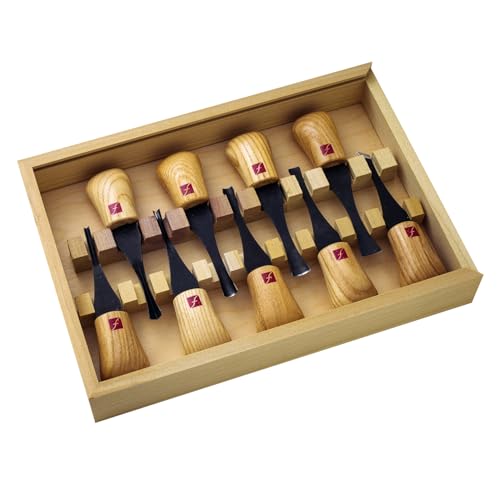
Gouge Set Includes: This woodworking set includes seven different gouges measuring #2 x 5/16, #3 x 3/8, #3 x 5/8, #5 x 9/16, #6 x 5/16, #8 x 3/8, #11 x 1/8 in addition to a 70 degree V-tool x 1/4 and 70 degree V-tool x 3/8.
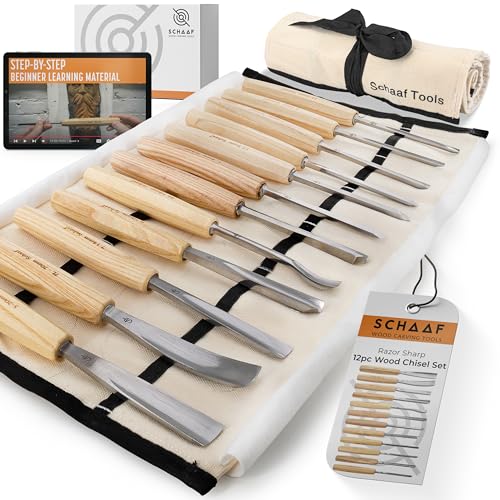
Start any Project – Wood carving tool set features 12 versatile wood carving chisels and gouges you need to start any beginner woodworking project: relief carvings, wood spirits, house signs, caricature figures, bowls and spoons.

Material: Wood carving knives are made of quality carbon steel and electrolytic coating, wood whittling kit features a razor-sharp stainless steel blade,knife blade is sharp and easy to use,which will ensure longevity, suit for variety of wood carving projects
Benefits of Wood Carving
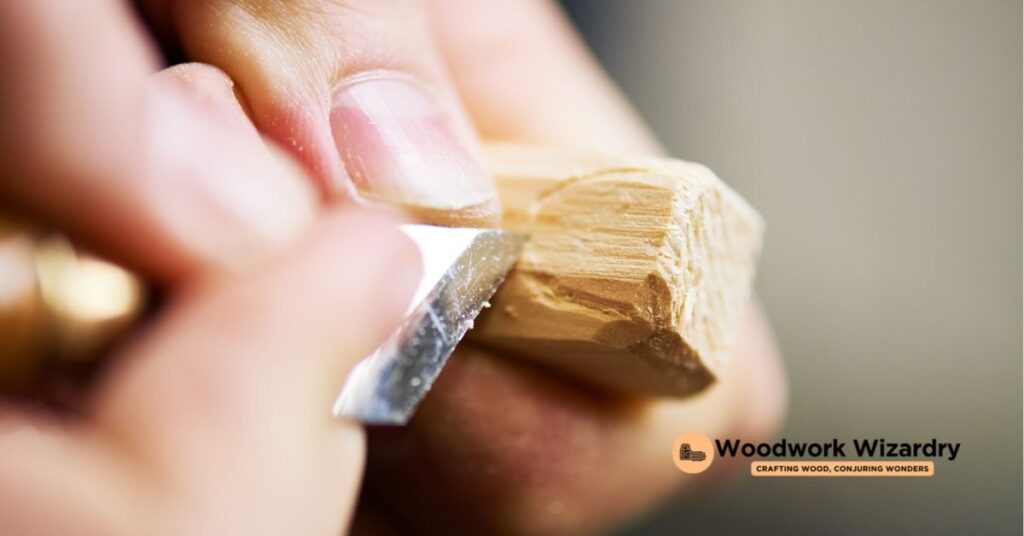
Diving deeper into the realm of wood carving, beyond its artistic complexity and beauty, unveils numerous benefits that enhance both mental and physical well-being. Engaging in this craft offers a unique blend of advantages, making it more than just a creative pursuit.
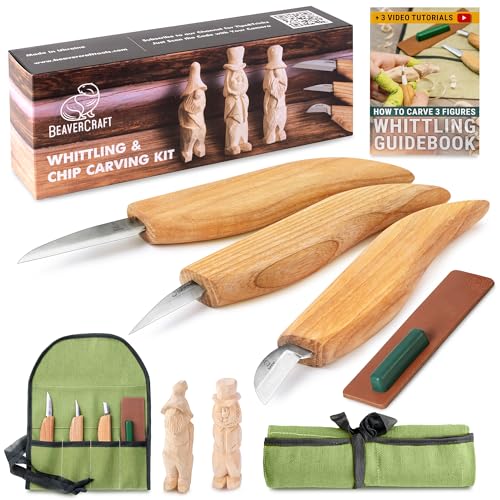
Wood Carving Kit Essentials: This carving set includes everything you need–a detail knife, chip carving knife, roughing knife, leather strop, polishing compound, canvas tool roll, and a step-by-step guide.
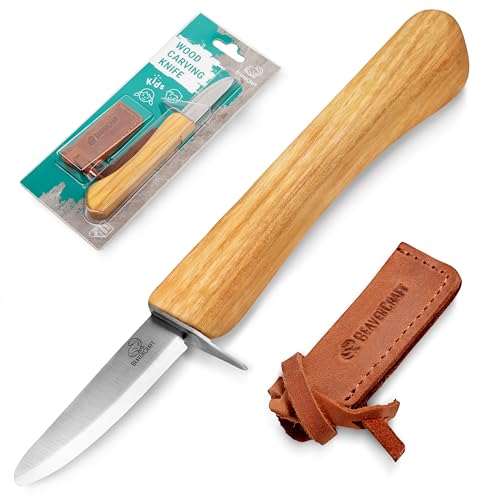
Safe and Reliable Whittling Knife for Kids: Our wood carving knife for kids is completely safe due to its thoughtful design – it has a special guard that keeps the kid’s hands from slipping onto the blade, and a rounded point prevents cuts and scratches.
Promotes Relaxation and Stress Relief
Wood carving emerges as a powerful stress-reliever, enveloping carvers in a state of calm. The rhythmic nature of carving, coupled with the focus required, encourages a meditative state. This activity demands attention to detail and concentration, redirecting thoughts away from daily stresses and fostering a sense of tranquility.
Enhances Fine Motor Skills and Hand-Eye Coordination
Regular practice of wood carving sharpens fine motor skills and improves hand-eye coordination. Handling carving tools and manipulating wood to shape artistic pieces require precise movements, gradually refining dexterity and control. This aspect benefits not only artists but anyone looking to improve their manual agility.
Boosts Creativity and Problem-Solving Abilities
Wood carving stimulates the imagination, pushing carvers to conceptualize and bring to life intricate designs. It nurtures creativity, motivating individuals to think outside the box and develop unique solutions for transforming a simple piece of wood into a work of art. Furthermore, overcoming the challenges encountered during the carving process enhances problem-solving skills.
Provides A Sense of Accomplishment
Completing a wood carving project imparts a profound sense of achievement. Witnessing a raw piece of wood evolve into a detailed sculpture instills pride and boosts self-esteem. This sense of accomplishment reinforces perseverance, encouraging carvers to tackle more challenging projects and continue honing their skills.
Offers Opportunities for Social Connection
Wood carving, often practiced in groups or workshops, facilitates social interactions and community building. Sharing techniques, ideas, and experiences with fellow carvers enriches the learning process and fosters connections based on shared interests, contributing to a supportive and motivating environment.
Incorporating wood carving into one’s routine, whether as a hobby or professional pursuit, yields rewards that go beyond the creation of beautiful artworks. It enhances mental health, improves physical skills, sparks creativity, and nurtures social connections, making it a multifaceted activity with widespread benefits.
Challenges in Wood Carving
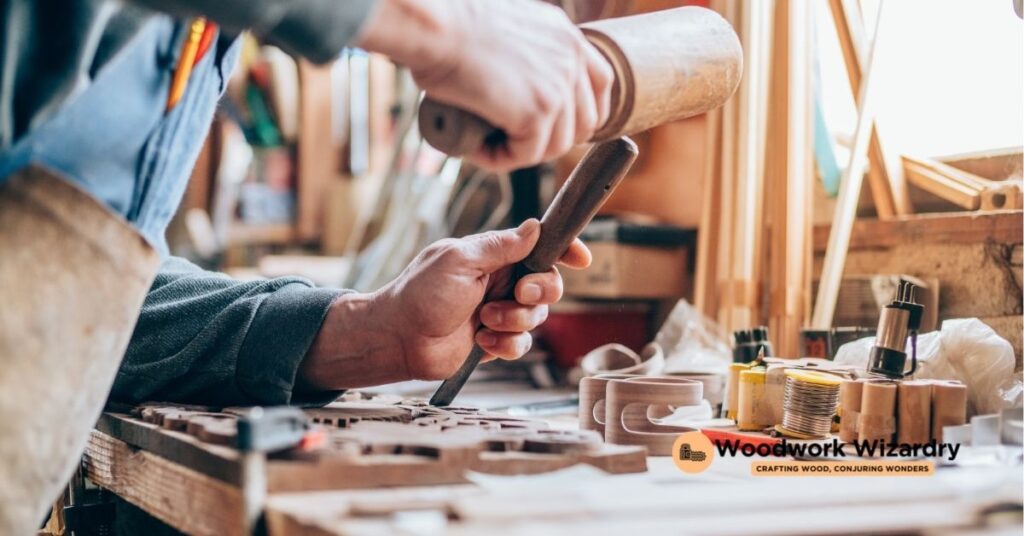
Transitioning from the array of benefits wood carving offers, it’s also crucial to highlight the inherent challenges that carvers, whether beginners or seasoned artisans, face. Understanding these hurdles not only prepares enthusiasts for what lies ahead but ensures a more informed appreciation of the craft.
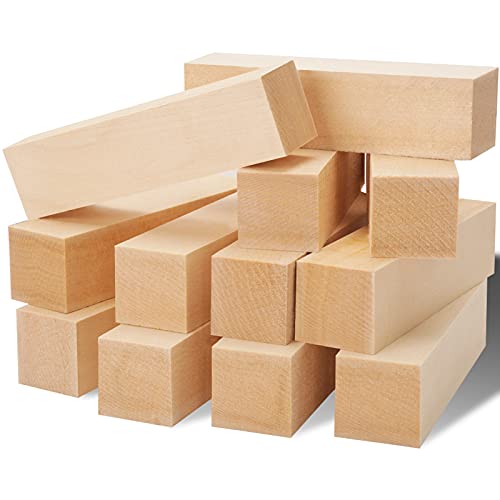
Reliable Carving Wood: These good carving woods unfinished wood blocks are made of quality natural basswood; durable; non-toxic; smooth and polished; neatly cut without burrs; this wood carving wood is a great gift for beginner and professional woodcarvers

[Versatile Sizes for Every Project] Get 24 easy-to-carve blocks in 3 sizes: 20 slim blocks (4"x1"x1") for detailed work, 2 cubes (2"x2"x2") for medium projects, and 2 large blocks (4"x2"x2") for bold designs. Whether you're making mini sculptures or statement decor, there's a size for every idea!

Spoon Carving Kit With Four Different Types of Wood: Carve four different spoons out of wood carving blocks, each made from one of the unique properties and characteristics of the best wood for carving.
Selecting the Right Wood
Choosing appropriate wood proves to be the first significant challenge. Hardwoods like oak and maple offer durability but demand more effort to carve. Conversely, softer woods such as basswood or pine, while easier to shape, can lack the strength for intricate details or larger pieces. Hence, striking the balance between hardness and workability is key.
Mastering the Tools
Acquiring proficiency with carving tools, ranging from knives, gouges, to chisels, is another challenge. Each tool has its specific use, and understanding these nuances takes time. Moreover, maintaining these tools, which includes sharpening and handling them safely, adds another layer of complexity.
Overcoming Design Limitations
Designing and executing a carving project requires visualizing the end product from a block of wood, a skill that develops with experience. Beginners might find it daunting to translate their visions into tangible creations, often battling with spatial awareness and proportionality.
Coping with Physical Strain
Wood carving is physically demanding. Prolonged sessions can lead to hand fatigue, strain injuries, or even wrist and elbow conditions like carpal tunnel syndrome. Thus, adopting the correct posture and taking regular breaks are vital practices to mitigate health risks.
Handling Mistakes
Learning to cope with errors without getting discouraged is a part of the journey. Wood, once removed, cannot be replaced, making every cut critical. This aspect of wood carving heightens the stakes, requiring patience and a steady hand to rectify or adapt designs around mistakes.
Despite these challenges, the journey of transforming a mere block of wood into a piece of art is incredibly rewarding. Facing and overcoming these obstacles not only sharpens one’s skills but also deepens the connection with this ancient craft.
Tips for Beginners
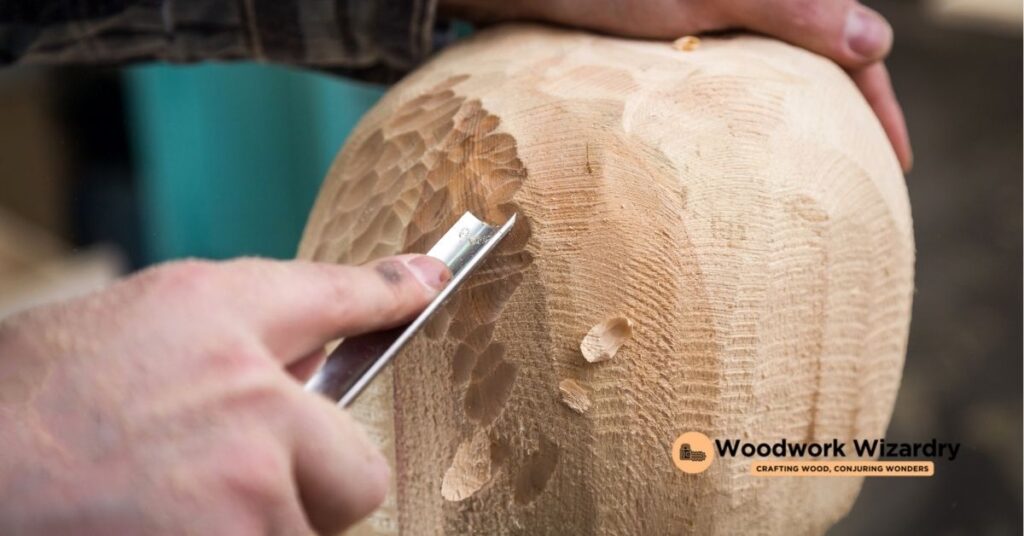
Embarking on the journey of wood carving presents a blend of excitement and challenges. As beginners, it’s crucial to start on the right foot to enjoy and make the most of this artistic endeavor. Let’s explore some essential tips that can ease the entry into the world of wood carving.
- Select the Right Tools Start with a basic set of carving tools. Typically, this includes a carving knife, gouges, chisels, and a mallet. Choosing quality tools, even in their simplicity, makes a significant difference in learning the craft.
- Choose the Appropriate Wood Softwoods, like basswood or pine, are ideal for beginners. They are easier to carve and less likely to cause frustration. As skills improve, transitioning to hardwoods becomes an exciting challenge.
- Learn Sharpening Techniques Keeping your tools sharp is non-negotiable. Dull tools make carving more difficult and can lead to accidents. A well-sharpened edge provides control and precision in every cut.
- Practice Basic Cuts Begin with simple projects that require basic cuts. This practice helps in understanding wood grain direction, tool handling, and control. Starting small paves the way for more complex projects.
- Stay Safe Always wear safety gear, including gloves and eye protection. Learning the right grip and carving away from the body minimizes risks and boosts confidence.
- Join a Community Whether it’s online forums, local arts and crafts groups, or workshops, surrounding oneself with fellow carvers provides invaluable support, inspiration, and learning opportunities.
- Embrace Mistakes Mistakes are integral to the learning process. Each error teaches a vital lesson that refines skills and enhances creativity. Viewing mistakes as growth opportunities fosters a healthier learning curve.
- Be Patient and Persistent Mastery doesn’t happen overnight. Patience with oneself and persistence in practice are key to advancing in wood carving. Celebrate small victories to stay motivated.
Wood carving, with its rich history and expressive potential, is a rewarding journey. Following these beginner tips, we can navigate initial obstacles and unveil our creative capabilities through the transformation of wood into art.


Antner Halloween pumpkin carving kits includes 4 quick-carving tools (scraper, etching tool, scimitar saw, L-shape serrated) with real wooden handles and 6 all-steel details engraving tools for versatile sculpting, scraping, and detailing for quickly creating jack-o-lanterns and intricate designs
Conclusion
We’ve journeyed through the intricate world of wood carving, from its basics to the challenges and tips for beginners. It’s clear that wood carving is more than just a hobby; it’s a pathway to enhancing our well-being, creativity, and social connections. While the road may have its bumps, the satisfaction of creating something beautiful from a simple block of wood is unparalleled. Let’s embrace the challenges, learn from our mistakes, and continue to grow in this timeless craft. Together, we can turn our wood carving dreams into reality, one chip at a time.
Related Posts:
- Top Carving Woods: Best Picks for Beginners to Pros
- Top 5 Best Woods for Spoon Carving: Insights & Maintenance Tips
- Explore Different Types of Wood Carving: Techniques & Projects
- Beginner’s Guide: Mastering Wood Carving Techniques & Fixes
- Exploring Wood Carving: Techniques, Benefits, and Beginner’s Guide
- Beginner’s Guide to Wood Carving Hobby: Tips, Safety, and Community
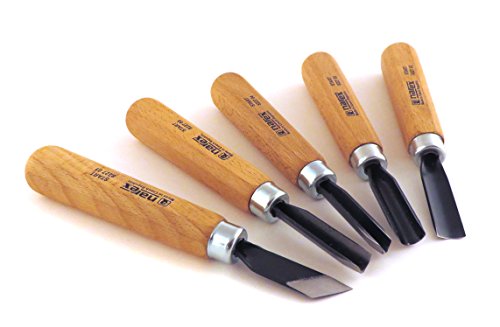

10PCS WOOD CHISEL SET: Includes 6 common sized wood chisels(6mm/13mm/19mm/25mm/32mm/38mm), sharpening stone, honing guide, 2 carpenter pencils & a pencil sharpener, fit for the home owner, beginning caver or professional woodworker to do repairing around the house, furniture assembling, woodworking and DIY projects
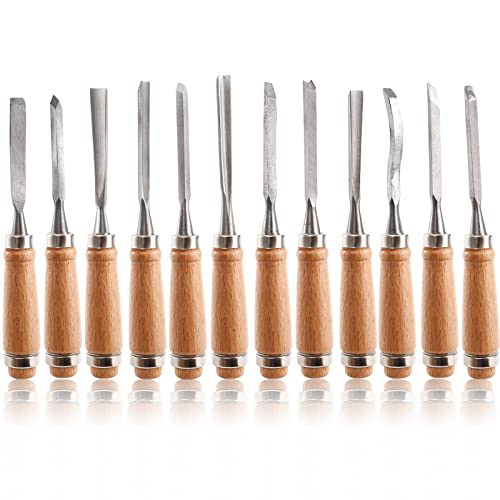
Specifications - 12 pcs wood carving chisel with an easy carrying leather bag. Enough variety of the tips in different 12 sizes-deep gouge, medium gouge, shallow gouge, narrow straight chisel, wide straight chisel, rounded chisel, 4 angled knives / chisels, parting tool, pinpoint tool. Our full size durable woodworking sets would be helpful tools in your happy wood carving time.