In the world of woodworking, the right tools can make all the difference. Whether you’re a seasoned professional or just starting out, knowing the nuances between tools like the mortise and firmer chisel can elevate your craft. These chisels may look similar at first glance, but they serve distinct purposes that can greatly impact the outcome of your projects.
We’re diving into the key differences between a mortise and a firmer chisel to shed some light on how each tool is designed to tackle specific tasks. From the thickness of the blade to the way they’re used, understanding these differences will not only improve your woodworking skills but also help you choose the right tool for the job. Let’s explore what sets these chisels apart and why it matters to woodworkers everywhere.
Understanding Chisels: An Overview
Diving deeper into the world of woodworking tools, we find that chisels, a fundamental component of any woodworker’s toolkit, come in various shapes and sizes, each designed for specific tasks. Two types often discussed are mortise and firmer chisels. Their differences are significant, not only in their physical attributes but also in their application.
Chisels are hand tools with a sharp cutting edge on one end, used for carving or cutting hard materials such as wood, stone, or metal. The design of a chisel includes the blade, handle, and, sometimes, a ferrule to strengthen its connection. The blade’s shape, thickness, and length vary depending on the chisel’s intended use. This is where the main differences between a mortise and firmer chisel emerge.
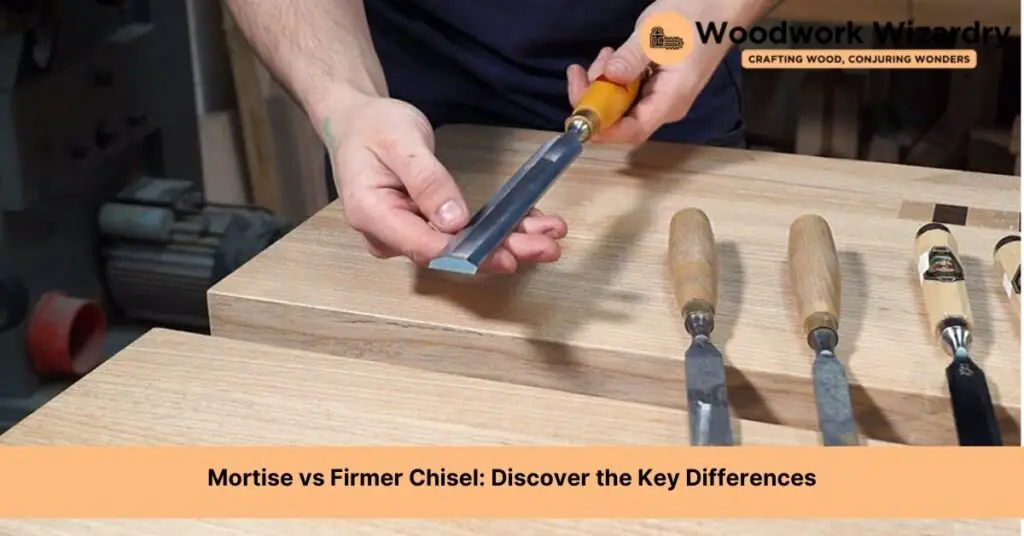
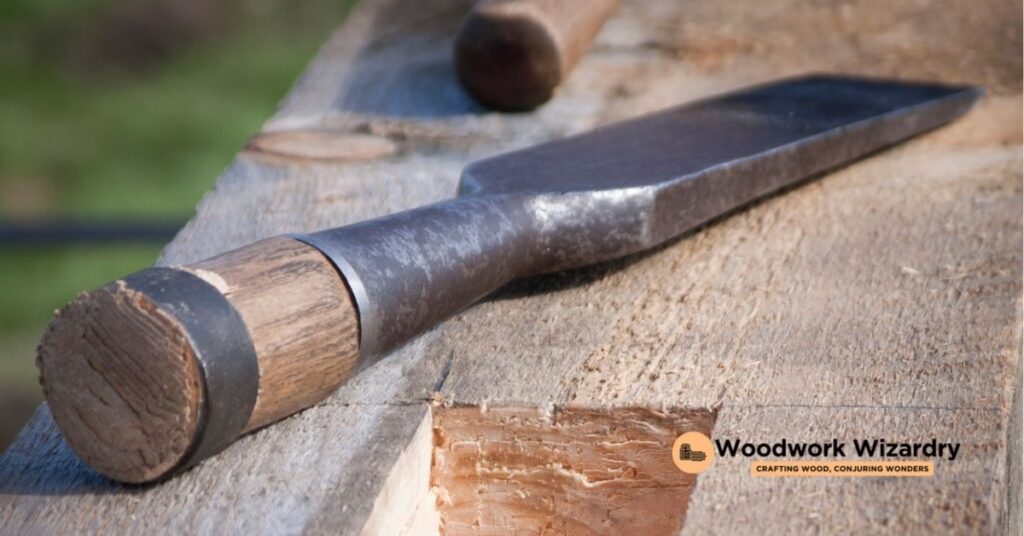
A mortise chisel is robust, with a thick, sturdy blade designed to withstand the mallet’s impact when cutting mortises – slots or recesses cut into wood to accept a tenon of the same dimensions. Mortise chisels have a relatively square cross-section, which makes them ideal for chopping out precise, straight-sided recesses. Their durability enables them to remove large sections of wood without bending or breaking.
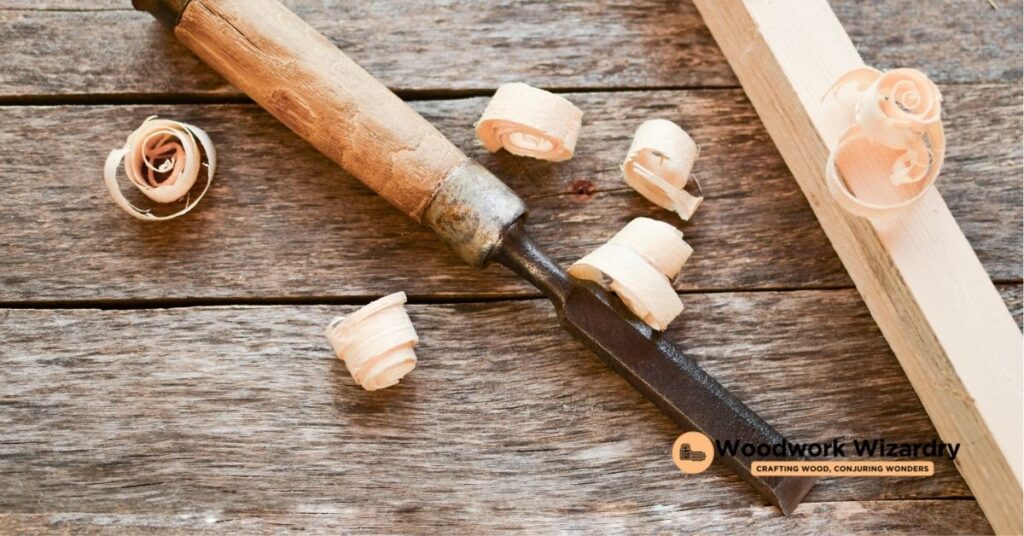
On the other hand, a firmer chisel features a blade that’s slightly thinner and less heavy-duty than that of a mortise chisel. It’s versatile, suitable for general woodwork, including paring and light chopping with a mallet. Firmer chisels typically have a rectangular cross-section and can be used for a broader range of tasks compared to mortise chisels. Their balanced design between heft and handling makes them a favorite for detailed and finishing work.
While both chisels play pivotal roles in woodworking, choosing between a mortise and a firmer chisel boils down to understanding their unique characteristics and the specific requirements of the task at hand. Mortise chisels excel in durability and power for heavy-duty work like mortising, whereas firmer chisels offer versatility and precision for general wood shaping and finishing.

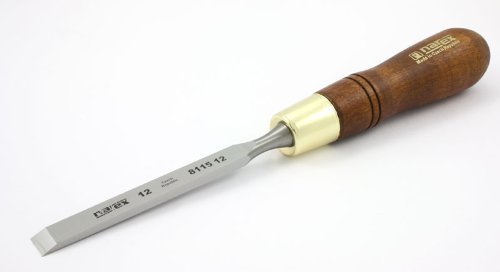
Made by a highly respected edge tool manufacturer in the Czech Republic

Premium Blades: Drop forged CR-V steel with heat-treated edges ensures sharp precision and long-lasting durability, can be used to make finish or paring cuts on wood surfaces, as well as cut mortises
The Mortise Chisel Explained
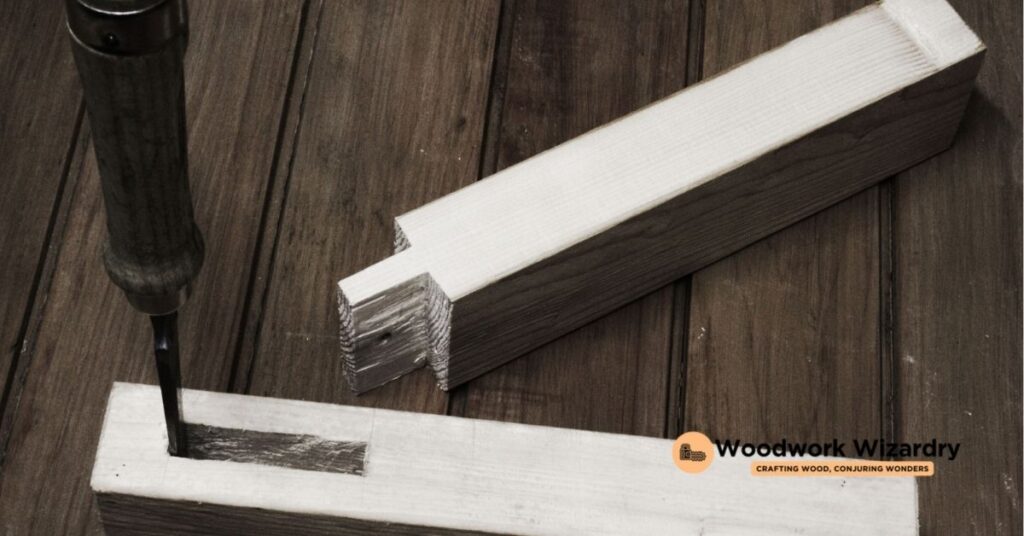
Building on our exploration of woodworking tools, let’s delve deeper into mortise chisels and their specialized role. Unlike firmer chisels, mortise chisels boast a unique design tailored for cutting precise mortises—a task essential for creating strong joints in woodworking projects. These chisels are characterized by their thick, robust blades and hefty handles, which allow us to apply significant force without damaging the tool. The bolstered construction not only ensures durability but also provides the necessary strength to remove large sections of wood with ease.
Mortise chisels typically have a rectangular cross-section, which aids in maintaining straight sides within the mortise. This shape is crucial for achieving a snug fit between the mortise and tenon, a classic joint technique in furniture making and carpentry. The strength of the mortise chisel’s blade enables it to withstand the mallet blows required to drive it deep into hardwoods, making it an indispensable tool for tasks demanding precision and power.
When working with a mortise chisel, accuracy is key. The technique involves carefully aligning the chisel edge with the marked lines of the mortise and then using a mallet to tap it into the wood. The process may be repeated, each time clearing out the wood chips to deepen the mortise until the desired depth is achieved. Thanks to the mortise chisel’s design, this task is manageable, even with the hardest woods.
In choosing a mortise chisel, consider the blade’s width as it should correspond to the mortise’s size. Common sizes range from narrow for delicate work to wide for broader mortises, offering flexibility based on the project’s specifics. Opting for a mortise chisel, we equip ourselves with a tool capable of handling high-impact work, ensuring precision cuts that are fundamental for strong, durable woodworking joints. Through understanding the mortise chisel’s function and application, we better prepare for projects requiring heavy-duty, accurate mortising.
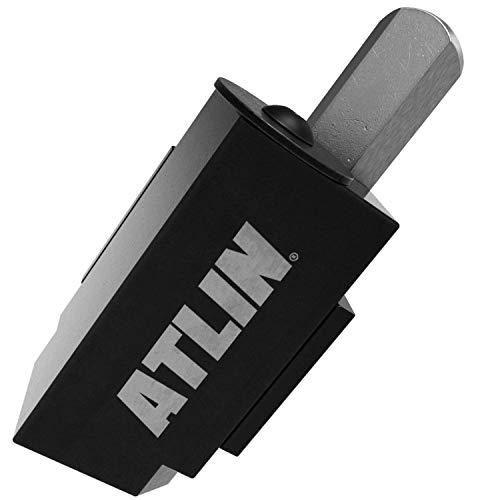
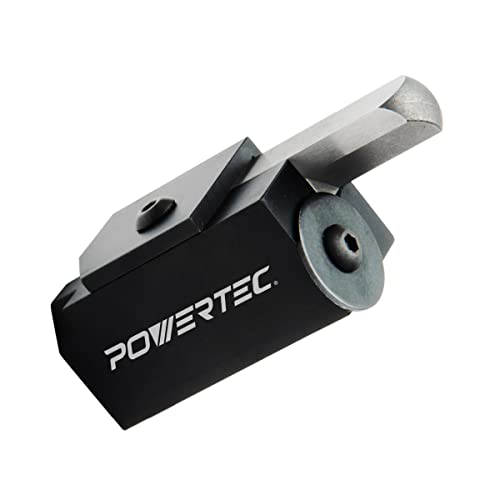
Save Time – The ATLIN Corner Chisel is designed to quickly, easily, and accurately chisel 90-degree square corners. Will square up to a 3/8” radius corner

FOR MORTISER ONLY. These square hole drill bits are exclusively for dedicated mortising machine. They are NOT compatible with any hand drill. Neither with drill press. If you want to use them with a drill press you must have a mortising adapter (not included) to attach them to the drill press.

PACKAGE INCLUDES: (1) Square Corner Chisel - Compact size: 1.2" x 0.4" x 2.8"
The Firmer Chisel Demystified
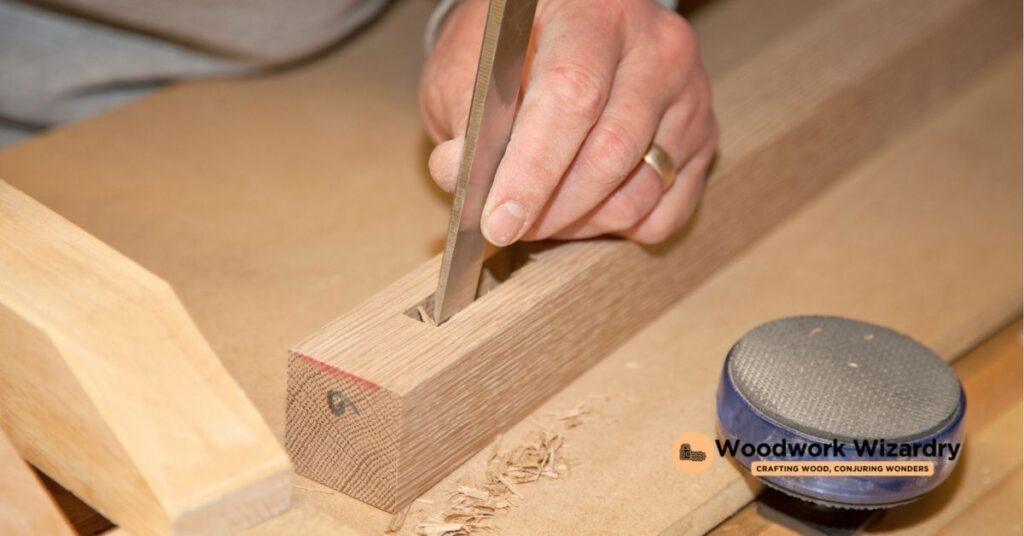
Transitioning from the focused force of mortise chisels, we turn our attention to the versatile firmer chisel. Distinguished by its balanced design, the firmer chisel serves as a general-purpose tool in the woodworker’s arsenal. Unlike the mortise chisel, with its thick, heavy blade designed to withstand mallet strikes, firmer chisels feature a lighter build, making them more adaptable to a variety of tasks.
The key characteristic of a firmer chisel is its straight blade, which extends uniformly from the edge to the back. This design provides a stable cutting edge, perfect for paring and light chopping tasks. When we talk about versatility, it’s this chisel’s ability to perform well in both hand-powered and mallet-driven applications that stands out. The blade width of firmer chisels varies, offering options for detailed work on smaller surfaces as well as broader cuts on larger pieces.
Another aspect where firmer chisels shine is their handle. Crafted from durable materials like hardwood or a tough synthetic, the handle is designed to absorb impact, whether from the palm of your hand or the head of a mallet. This flexibility adds to the tool’s utility, allowing for precision in delicate paring tasks or added force when necessary.
Selecting between beveled and straight-edge models allows woodworkers to tailor their tool choice to specific tasks. Beveled edges, for example, assist in reaching tight corners and intricate areas without damaging the surrounding wood.
The firmer chisel’s balanced design, combined with its versatile application, makes it an indispensable tool for a wide range of woodworking projects. Its adaptability contrasts with the specialized nature of mortise chisels, providing woodworkers with a flexible option for both fine and general carpentry tasks.
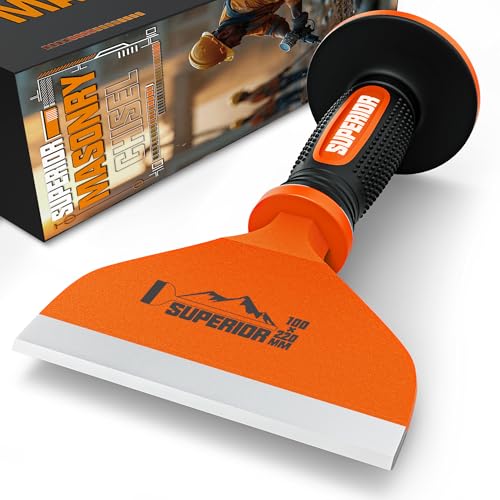
【HIGH QUALITY】: Made of premium CRV alloy steel and enhanced with heat treatment, which delivers exceptional hardness and long-lasting durability to break large pieces of concrete floors, sidewalks, and paving slabs when impractical to use an air hammer
Special Tools for Rough Work
Key Differences Between Mortise and Firmer Chisels
After diving deep into the specific characteristics of mortise chisels and exploring the versatility of firmer chisels, it’s clear that both tools have their unique place in woodworking. Let’s examine the key differences that set mortise chisels apart from firmer chisels, ensuring woodworkers make informed decisions based on their project requirements.
- Design Purpose: Mortise chisels are tailored for cutting precise mortises, a critical task in joinery. Their thick, robust blades push through tough wood to create neat, square holes. Firmer chisels, on the other hand, are general-purpose tools. Their design is more balanced, suitable for a variety of tasks beyond mortising, including cutting and paring.
- Blade Shape and Strength: The blade of a mortise chisel is much thicker and stronger, designed to withstand the force of a mallet. This allows for efficient cutting through hard, dense timber. Firmer chisels have thinner blades, providing flexibility for detailed work without needing excessive force.
- Handle Durability: Mortise chisels usually come with handles that can absorb repeated strikes from a mallet, often made from tough materials like hardwood or even metal capped for extra durability. Firmer chisels might have similarly durable handles but are often designed with comfort in mind for hand-held use, although they are also capable of being mallet-driven.
- Edge Style: Firmer chisels offer options between beveled edges and straight edges, allowing for versatility in use, from creating joints to shaping and carving. Mortise chisels typically have straight edges that focus on the efficient removal of material for mortise and tenon joints.
Understanding these differences, woodworkers can choose the right chisel type for their projects. Whether one needs the specialized capabilities of a mortise chisel to execute precise joinery or the adaptable design of firmer chisels for varied woodworking tasks, recognizing the unique attributes of each chisel ensures the right tool is always at hand.

Available in 3 different shapes and designs.

Proudly Made in the USA: Woodworking tools manufactured in the United States and backed by the Buck Brothers lifetime warranty, trusted by professionals across woodworking trades.

[Woodworking Chisel Set Comes with 4 Sizes] : 8mm(5/16")/12mm(1/2")/18mm(3/4")/25mm(1") . The size is clearly engraved on the blade, so you can clearly choose the size you need to carving.
Choosing the Right Chisel for Your Project
Selecting the appropriate chisel for your woodworking project involves understanding the distinct tasks each chisel type excels at. Given the differences between mortise and firmer chisels, we’ll guide you through deciding which is best suited for the work at hand.
When considering a mortise chisel, think about projects that require creating mortises or square holes. These chisels, with their robust blades and reinforced handles, are ideal for tasks demanding significant force to slice through tough wood, creating precise joints. If your project includes crafting traditional joinery, like mortise and tenon joints, opting for a mortise chisel is essential. The thick, heavy-duty blades are designed to withstand the mallet’s blows, allowing for the removal of large wood chunks without compromising the chisel’s integrity.
Conversely, firmer chisels serve well in a broader range of woodworking tasks beyond joint work. Perfect for paring, shaping, and chopping wood with less density, firmer chisels have thinner blades that offer more detailed control. If your project demands versatility, including detailed work or the creation of fine finishes, a firmer chisel should be in your toolkit. Their balanced design and ability to handle both beveled and straight edges make them suitable for general carpentry and fine woodworking.
The choice between a mortise and a firmer chisel depends on the project’s specific requirements. For heavy-duty work involving mortises, a mortise chisel’s strength and durability are unmatched. For projects demanding versatility and precision in various tasks, firmer chisels provide the flexibility and control needed to achieve a high-quality finish. By matching the chisel to the job, ensuring you have the right tool for your project becomes straightforward, leading to better results and a more enjoyable woodworking experience.

Mortising Attachment for Drill Press Set include:locator,press block,side positioning rod,fixed seat and other accessories,also comes with 4 kinds of mortise chisel sizes for mortising machine:1/4 inch, 3/8 inch 1/2 inch, and 5/8 inch.

TABLE ADJUSTERS: Our mortise machine features integrated clamps and swings arms that align and secure wood for accurate joints. Set your joint length, align the wood in the jig, and cut your mortise or tenon with any plunge router.
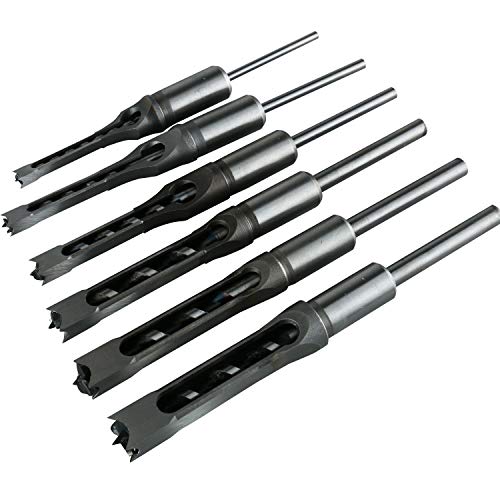
Sizes of this Square Hole Mortise Chisel Drill Bit set: 1/4 Inch (6.4mm), 5/16 Inch (8mm), 3/8 Inch (9.5mm),1/2 Inch (12.7mm), 5/8 Inch (16mm), 9/16 Inch (14mm)
Conclusion
We’ve journeyed through the distinct worlds of mortise and firmer chisels, uncovering their unique roles in woodworking. It’s clear that whether we’re tackling heavy-duty mortising tasks or embracing the broad spectrum of general carpentry, having the right chisel in hand is crucial. We’ve seen how mortise chisels shine in precision work, their sturdy blades cutting through tough wood with ease. On the other hand, firmer chisels stand out for their versatility, ready to meet a variety of carpentry challenges with their adaptable design. So when we’re deciding between these two, it’s all about matching the tool to the task, ensuring our woodworking projects are not just successful, but also enjoyable. Let’s keep these insights in mind as we select our tools, crafting with confidence and precision.
Related Posts:
- Spray Polyurethane Flawlessly with an Airless Sprayer: A How-To Guide
- Sanding Between Coats of Shellac: A Must for Smooth Finishes?
- Optimal Soaking Time for Bending Wood: A Complete Guide
- DIY Guide: How to Make Wood Filler with Sawdust for Perfect Finishes
- Quiet Your Workspace: Tips on How to Reduce Table Saw Noise Effectively
- Miter Saw Showdown: 10 Inch vs 12 Inch – Which Suits Your Project?
- Mortise vs Firmer Chisel: Discover the Key Differences

Premium CR-V Steel Blades: Drop-forged CR-V steel blades are heat-treated for exceptional hardness, sharpness and durability. Meticulously crafted with a burr-free finish, they are perfect for finish, paring and mortise cuts on softwood, hardwood and laminated wood.

Made by a highly respected edge tool manufacturer in the Czech Republic

Robust tool used for chopping out joints as well as cutting mortises