
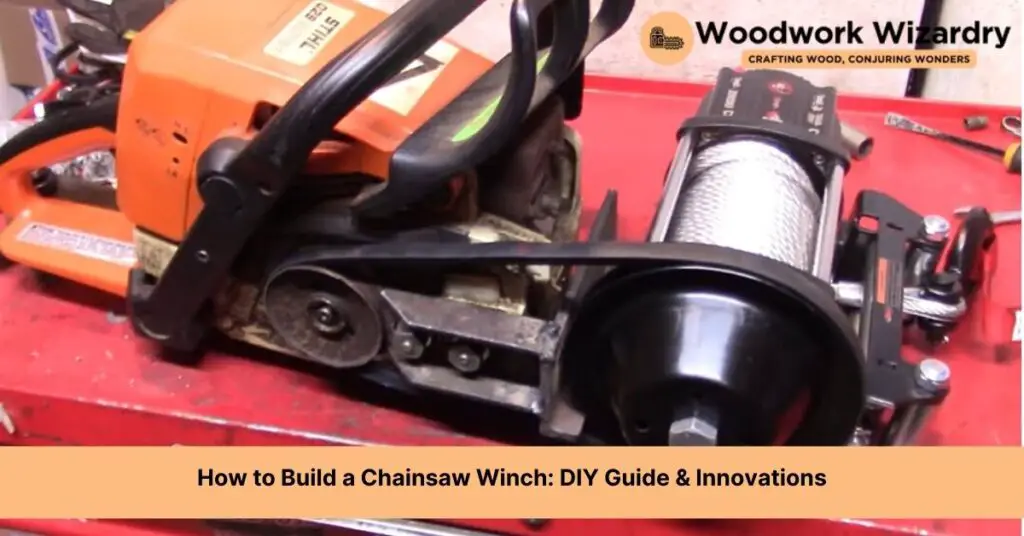
In the world of DIY projects and outdoor adventures, there’s something uniquely satisfying about creating tools that enhance our capabilities. That’s why we’re diving into the process of making a chainsaw winch, a powerful ally for anyone looking to move heavy objects with ease. It’s a project that marries the raw power of a chainsaw with the mechanical advantage of a winch, resulting in a tool that’s both practical and impressive.
We’ve all been there, facing tasks that seem just out of reach due to their sheer weight or our limited equipment. Whether it’s pulling logs, moving large rocks, or even assisting in vehicle recovery, a chainsaw winch can be a game-changer. So, let’s embark on this journey together, breaking down the steps to transform a regular chainsaw into a robust winching machine. It’s about making the impossible possible, and we can’t wait to guide you through every twist and turn of this exciting project.
Understanding the Basics of Chainsaw Winches
Now that we’ve introduced the concept of creating a chainsaw winch, it’s vital to grasp its fundamental aspects. This knowledge ensures a smoother process in building a winch that capitalizes on both the strength of a chainsaw and the mechanical advantage of a winch system.

Saw Milling is A Pleasure: You just need to turn the winch handle at a constant speed with ease, the chainsaw and sawmill will move smoothly on the lumber, almost freeing your hands and relieving your tense nerves.
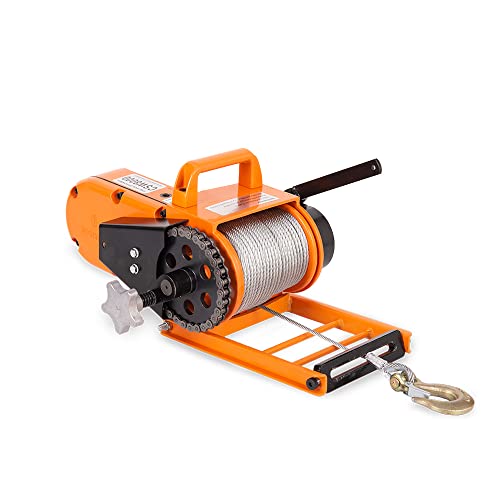
One Holzfforma Winch Model CSW8000 c/w Clutch and Brake

Design:the anchor point on the end of the log, making the whole system completely mobile It takes less effort to operate this winch than it does to push the saw without it.if you have a mill you need to be investing one of these.
What is a Chainsaw Winch?
A chainsaw winch combines a chainsaw’s motor with a winch’s pulling mechanism. This hybrid tool transforms the rotational energy of the chainsaw into linear pulling force, enabling the movement of heavy objects that would be challenging to handle otherwise. By attaching a winching drum to the chainsaw’s output shaft, users can leverage the engine’s power for tasks requiring significant force.
Benefits of Using a Chainsaw Winch
Utilizing a chainsaw winch offers multiple advantages in various scenarios. Efficient and powerful, it significantly reduces the effort needed to move large objects such as logs, boulders, or even vehicles. This tool is extremely versatile, suitable for forestry work, landscaping, farming, and emergency recovery operations. Its portability ensures that users can bring this powerful aid to remote locations, providing assistance where traditional machinery cannot reach. Lastly, cost-effectiveness is a major benefit; building a chainsaw winch can be more economical than purchasing a standalone winch or heavy equipment, especially for those who already own a chainsaw.
Preparing to Build Your Chainsaw Winch
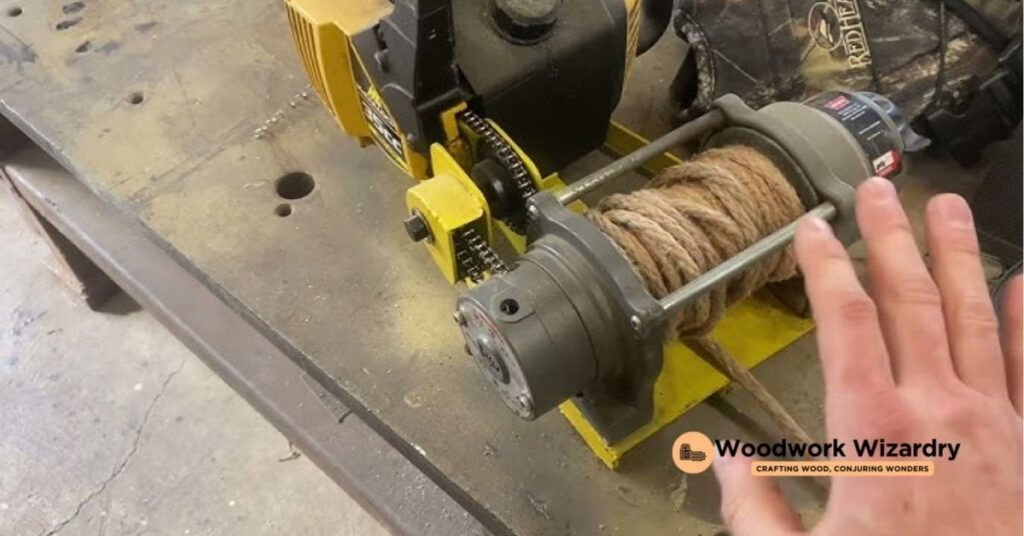
Embarking on building a chainsaw winch requires gathering the right tools and adopting essential safety measures. This preparation ensures a smooth construction process and minimizes risks.

【Wide Application】:Use winch in portable sawmill and saw mill,install winches on chainsaw mill as an attachment to make milling easier, cutting smoother and more stable, improve efficiency and quality.
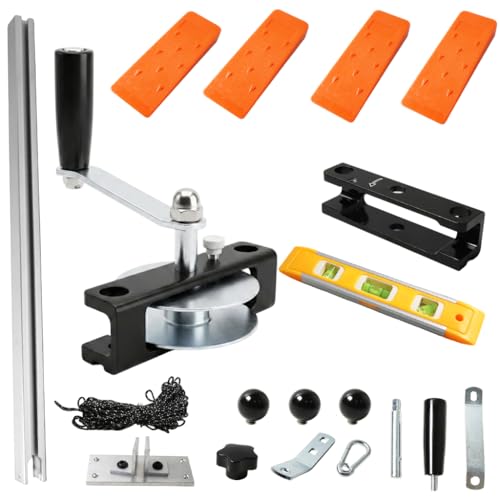
⚙️ ACHIEVE FLAWLESS SLAB SURFACES: Are you tired of uneven planks caused by manual pushing? The DISJEST winch system provides constant tension and steady movement, ensuring a professional, level finish on every log without the rippling effects of inconsistent manual force.

Sturdy and Durable: The high-quality iron and aluminum with galvanization and electrophoresis processes make it resistant to rust, corrosion, deformation, tear, and wear and can withstand the high-strength use of chainsaws and panel racks, while also having sufficient durability to last for many years.
Tools and Materials Needed
To start, assemble the necessary tools and materials for this project:
- Chainsaw: Opt for a model that provides adequate power for the loads you anticipate moving.
- Winch Kit: Purchase a winch kit compatible with your chainsaw model. Kits typically include a winch drum, cable, and mounting system.
- Mounting Hardware: Ensure you have bolts, nuts, and washers for securing the winch to the chainsaw.
- Wrenches and Screwdrivers: Collect various sizes to adjust and tighten components.
- Drill with Bits: A power drill with a set of drill bits for making precise holes in the mounting system, if necessary.
- Measuring Tape: For accurate placement and alignment of the winch system.
Gathering these items before you start saves time and keeps the project on track.
Safety Gear and Precautions
Safety cannot be overstated when creating a chainsaw winch. Here’s what you need for protection:
- Protective Gloves: Wear durable gloves to protect your hands from sharp edges and moving parts.
- Eye Protection: Use safety glasses or goggles to prevent debris from injuring your eyes.
- Ear Protection: Chainsaws are loud. Earplugs or earmuffs help prevent hearing damage.
- Sturdy Footwear: Choose boots with non-slip soles to mitigate the risk of slips or falls.
- First Aid Kit: Keep it nearby in case of minor injuries during the build process.
Beyond wearing the right gear, always ensure your workspace is well-lit and free of clutter. Disconnect the chainsaw from its power source when mounting the winch, and never bypass safety features on your tools. Respecting these precautions ensures your safety and contributes to the successful completion of your chainsaw winch project.
Step-by-Step Guide to Making a Chainsaw Winch
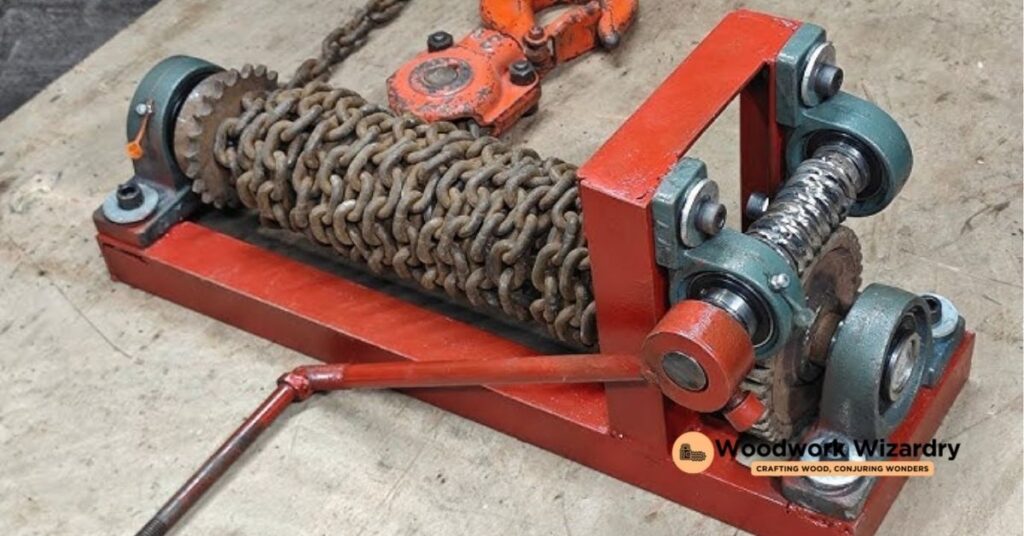
Following the initial preparation and gathering of necessary tools and safety gear, we’re ready to dive into the assembly process. This guide will walk us through the steps to transform a chainsaw into an efficient chainsaw winch.

Precision manufacturing techniques guarantee superior durability and reliability, allowing this metal winch drum to withstand long hours of work without fail.

Critical Component: This is a replacement brake assembly, handle clutch sprocket cover part suitable for 5200, 5800, and 4500 chainsaw models.
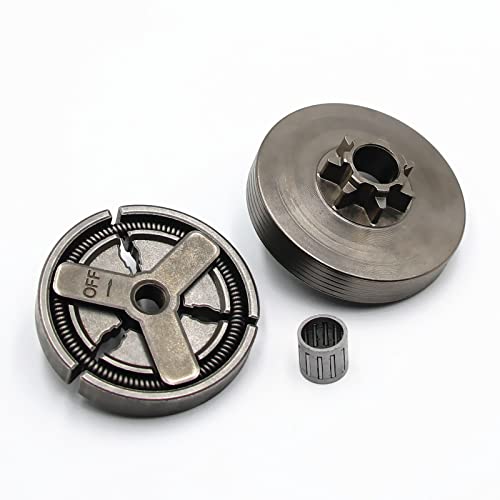
For Chinese chainsaws: 4500, 5200, 5800, 45cc, 52cc, 58cc
Step 1: Removing the Chainsaw Bar
Begin by ensuring the chainsaw is disconnected from any power source to guarantee safety. Remove the chainsaw bar and chain, often by loosening the nuts holding the bar in place and sliding it off. Keep all removed components and hardware for future use, if necessary.
Step 2: Mounting the Winch Adapter
With the bar removed, attach the winch adapter plate to where the chainsaw bar was previously connected. It’s vital to use the mounting hardware provided with the winch kit or specified in the winch’s manual. Secure the adapter firmly to provide a stable base for the winch.
Step 3: Attaching the Winch to the Adapter
Align the winch with the adapter plate and secure it using bolts or screws. Double-check each connection to ensure the winch is securely fastened and there’s no movement between the winch and the adapter. Proper alignment is crucial for the smooth functioning of the chainsaw winch.
Step 4: Installing the Rope or Cable
Thread the winch rope or cable onto the winch drum, following the manufacturer’s guidelines for winding direction and methods. Leave enough slack to easily attach the winch hook to the end of the rope or cable. Secure the end of the rope or cable tightly to prevent it from unraveling during operation.
Step 5: Assembling the Control Handle
Install the control handle according to the winch kit’s instructions, ensuring it is within easy reach for operation. The control handle might require connecting to both the winch and the chainsaw throttle to allow for seamless operation. Test the control handle to confirm it operates smoothly and adjusts the winch and chainsaw throttle effectively.
By carefully following these steps, we create a chainsaw winch that combines the power of a chainsaw with the mechanical advantage of a winch. This tool proves invaluable for various tasks, including pulling logs and aiding in vehicle recovery, offering efficiency, portability, and cost-effectiveness.
Tips for Effective Use of Your Chainsaw Winch
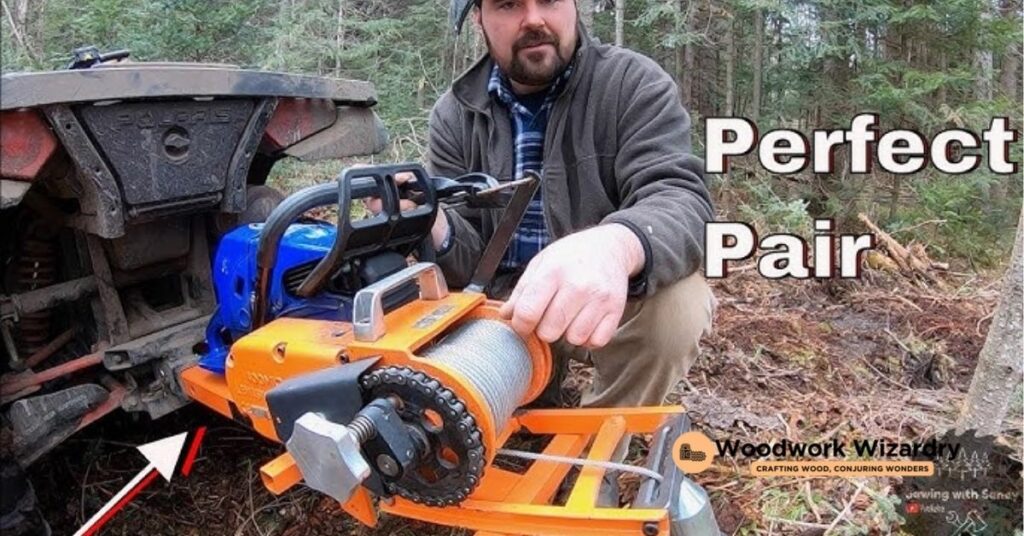
Maximizing the performance and lifespan of your chainsaw winch depends significantly on how you use and maintain it. In this section, we’ll explore some essential tips to ensure effective and safe use.

750 lbs High tensile Strength Pull Cord – The outer layer of this pull rope is engineered with 16 strands of high-strength polyester braid, boasting a breaking strength of up to 750 lbs. The 4mm thickness provides superior tensile strength and impact cushioning, making this pull start cord the most reliable choice for heavy-duty engines like Briggs & Stratton, Honda GX390, and Predator 212.

Durable White Pull Cord: 10 meters of 3.0mm white recoil starter rope made with high-tensile strength fiber, ensuring long-lasting durability.

Selecting the Right Rope or Cable
Choosing the appropriate rope or cable for your chainsaw winch enhances both efficiency and safety. Here’s what to keep in mind:
- Opt for Durability: Synthetic ropes offer flexibility, lightweight handling, and resistance to abrasion, making them ideal for most situations. Steel cables, though heavier and requiring gloves to handle due to risk of injury from wire splinters, excel in durability and are best for heavy-duty tasks.
- Consider the Task at Hand: Synthetic ropes are preferable for tasks requiring frequent repositioning due to their lighter weight. Steel cables are suited for more static, heavy loads.
- Check Compatibility: Ensure the diameter and length of the rope or cable match the winch specification to prevent slippage or jamming.
Maintenance Tips for Longevity
Proper maintenance ensures your chainsaw winch remains reliable and extends its service life. Implement these practices regularly:
- Inspect Before Use: Check the rope or cable for frays, kinks, or wear. Examine the winch mechanism for loose bolts or signs of damage.
- Clean After Use: Remove dirt, debris, and moisture from the winch and rope or cable. This step is crucial to prevent rust and deterioration, especially in steel cables.
- Lubricate Moving Parts: Apply a light, appropriate lubricant to the winch’s gears and moving components to ensure smooth operation and protect against rust.
- Store Properly: When not in use, store the chainsaw winch in a dry, covered area to protect it from the elements. Coil the rope or cable neatly to avoid kinks and facilitate easy deployment next time.
By selecting the right rope or cable and adhering to these maintenance tips, you’ll ensure your chainsaw winch operates effectively for each task while safeguarding its longevity.
Troubleshooting Common Issues
In our continuous journey to get the most out of a chainsaw winch, encountering issues is part of the process. Below are common problems and their solutions, enhancing the winch’s effectiveness and ensuring ongoing reliability.

Innovative log skid easer - This log mover helper reduces ground friction, and prevents logs from digging in and getting stuck on roots or stumps while safeguarding the forest floors. Additionally, it keeps the log ends clean—ready for the sawmill.

PCW5000-FK includes the following components: PCW5000 gas powered portable capstan winch; PCA-1215M 12mm x 50m double-braided polyester rope; PCA-1259 60mm x 2.5m polyester sling; PCA-1274 stainless steel swing side snatch block pulley; PCA-1282 7mm grab hook; PCA-1290 skidding cone; PCA-1295 7mm x 2.1m choker chain with c-hook and steel rod; and two PCA-1276 steel locking carabiners.

Size: 3/8" Hook (Pack of 2)
Problem: Winch Not Pulling Properly
When the winch hesitates to pull or lacks the expected power, the problem often lies with the cable or its connection. Inspect the cable for signs of wear, kinks, or frays. A damaged cable can significantly reduce the winch’s pulling power and poses a safety risk. Verify the connections between the winch and the chainsaw engine are secure and properly aligned. Loose connections can impede power transfer, leading to insufficient pulling force.
Solution: Checking the Cable and Connection
Begin by examining the entire length of the cable for any physical damage. Replace the cable if damage is discovered. Next, check all the connections are tight and properly positioned. Adjusting and securing these connections can restore the winch’s pulling power. If the problem persists after these checks, the issue might be internal and require professional inspection.
Problem: Chainsaw Engine Overheats
An overheating chainsaw engine can halt your work and damage the engine if not addressed quickly. Overheating usually results from inadequate ventilation around the engine, often due to debris buildup or operating the winch in environments with poor air circulation.
Solution: Ensuring Adequate Ventilation
Ensure the chainsaw engine has proper ventilation. Regularly clean the air intake and the area around the engine to prevent debris accumulation. When using the winch, do so in well-ventilated areas or ensure there’s enough airflow to keep the engine cool. Taking these steps helps prevent overheating, safeguarding the engine’s longevity and performance.
Alternative Methods and Innovations
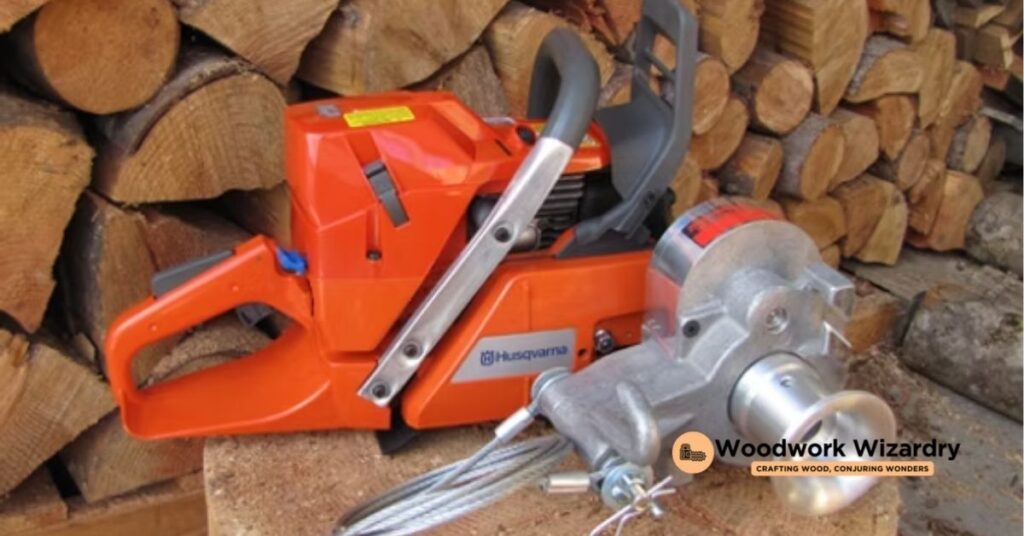
Exploring unconventional approaches boosts the efficiency and applicability of chainsaw winches. Below, we dive into notable alternatives and innovative strategies that could redefine their usage.
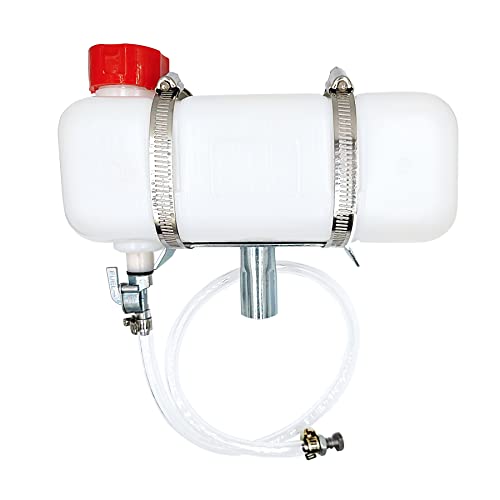
【Wide Application】:Auxiliary oiler kit suitable for most chainsaw milling attachment, such as the stihl,husqvarna,alaskan mill, and can be attaches mill in seconds.we think this is the best auxiliary oiler on the market.

Durable Material: The chainsaw mill winch kit is made of aluminum alloy, which has been galvanized and electrophoretically treated to prevent rust, corrosion, deformation, tearing, and wear. It can withstand high-strength use of the chain saw and panel frame
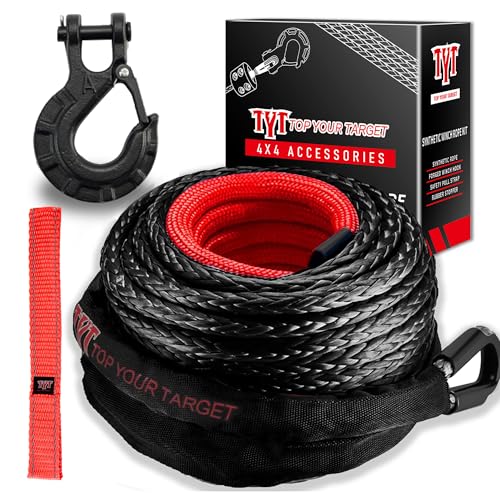
Upgrade Your Winch Kit: Set of 4 includes 3/8" X 92' synthetic winch rope (27000 lbs), heavy-duty winch hook (35000 lbs), and reflective safety pull strap. All you need for safe and efficient winching
Hydraulic Winch Conversion
Converting a chainsaw winch to a hydraulic system presents a significant upgrade in terms of power and versatility. Unlike the standard chainsaw engine, a hydraulic winch harnesses fluid dynamics, offering smoother operation and more consistent power output. This conversion involves replacing the chainsaw’s motor with a hydraulic motor, which then connects to a hydraulic pump, typically powered by a vehicle’s engine. The primary advantage lies in its ability to deliver continuous torque, making it ideal for heavy-duty tasks, such as pulling large logs or vehicles over extended periods without overheating. Users will appreciate the enhanced control over speed and power, allowing for delicate operations where precision is paramount.
Electric Winch Alternatives
Electrifying a chainsaw winch setup introduces benefits, particularly in ease of use and environmental impact. Electric winches are known for their quiet operation and minimal emissions, aligning with efforts to reduce carbon footprints. To embark on this conversion, one replaces the chainsaw engine with an electric motor capable of delivering comparable power. Powering these motors can come from various sources, including portable batteries or direct connections to vehicles’ electrical systems. The key benefits of an electric winch encompass not only its quiet operation but also the reduced need for fuel, lowering operational costs. Additionally, electric winches offer precise control over pulling speeds, facilitating tasks that demand finesse over brute strength.
Conclusion
We’ve walked through the nuts and bolts of crafting a chainsaw winch from the ground up, not forgetting the importance of safety and preparation. Exploring the realms of hydraulic and electric conversions opened our eyes to the possibilities of enhancing power, efficiency, and environmental friendliness. Whether it’s for pulling logs or getting a vehicle out of a tough spot, the adaptability of a chainsaw winch can’t be overstated. Let’s put our newfound knowledge to work and tackle those heavy-duty tasks with confidence and ingenuity. Remember, the right tools and a bit of creativity can make all the difference in how we approach our outdoor challenges. Happy winching!
Related Posts:
- Ultimate Guide: How to Cut Logs into Lumber with a Chainsaw
- DIY Guide: How to Make a Chainsaw Mill & Optimize Performance
- How to Build a Chainsaw Winch: DIY Guide & Innovations
- Ultimate Guide: How to Sharpen Wood Carving Tools Effectively
- Ultimate Guide: How to Use a Chainsaw Mill Efficiently & Safely

Included Auxiliary Oiler Kit and Chainsaw Mill Winch Kit

【High Quality Materials】:This upgraded chainsaw mill winch with black powder coating, it is durable and can prevent corrosion and rust; working with the oiler kit is the perfect combination.

[High Quality Materials]: This chainsaw mill winch made of iron & Aluminum with black powder coating, it is durable and can prevent corrosion and rust.