I watched my neighbor build a simple floating shelf last month using just a printable plan, basic tools, and about two hours, and it looked really well-made.
If you’re curious whether you can do something similar, you’re probably wondering where to start and what projects won’t overwhelm you.
The good news? I’ve got straightforward guidance on choosing the right beginner plans, avoiding costly mistakes, and building your skills step by step.
Start With the Right Beginner Tools and Materials
How do you know which tools actually matter when you’re just starting out?
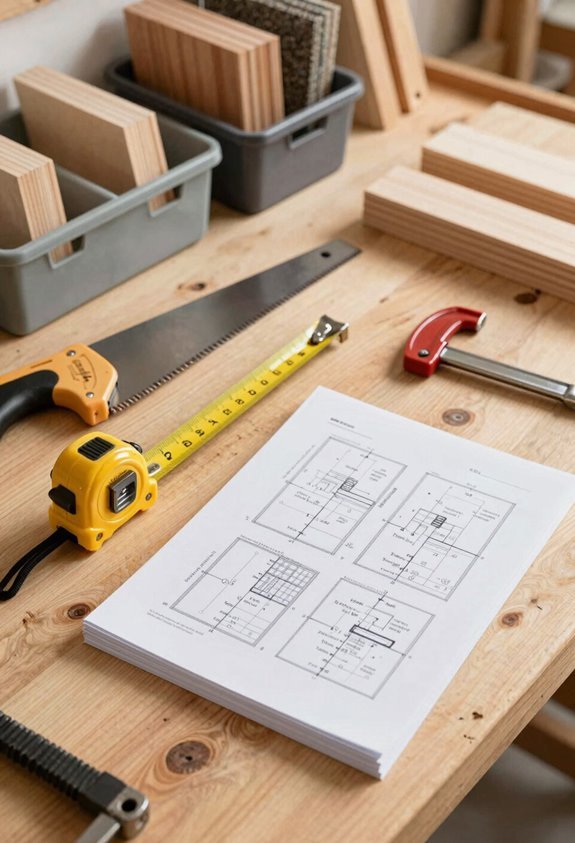
I’ve found that you don’t need everything at once. Focus on essentials: a measuring tape, pencil, basic saw, power drill, and a speed square. These beginner tools won’t break your budget and cover most projects.
For materials, I stick with standard 1x boards, plywood sheets, and basic hardwoods from home improvement stores. They’re forgiving and affordable while you’re learning.
Creating a safe workspace matters too. I use a sturdy table, add good lighting, and keep gloves and eye protection nearby. A small, organized area builds confidence and prevents mistakes.
Start simple. Pick materials and tools that match your first projects, then expand gradually. You’ll develop skills and discover what works for your style.
Avoid These Common Woodworking Mistakes From the Start
Why do so many beginner woodworkers end up frustrated with their first projects? I’ll tell you: they skip critical steps that’d make everything easier.
Rushing measurements creates inaccurate cuts and joints that don’t fit right. I always double-check dimensions before cutting anything.
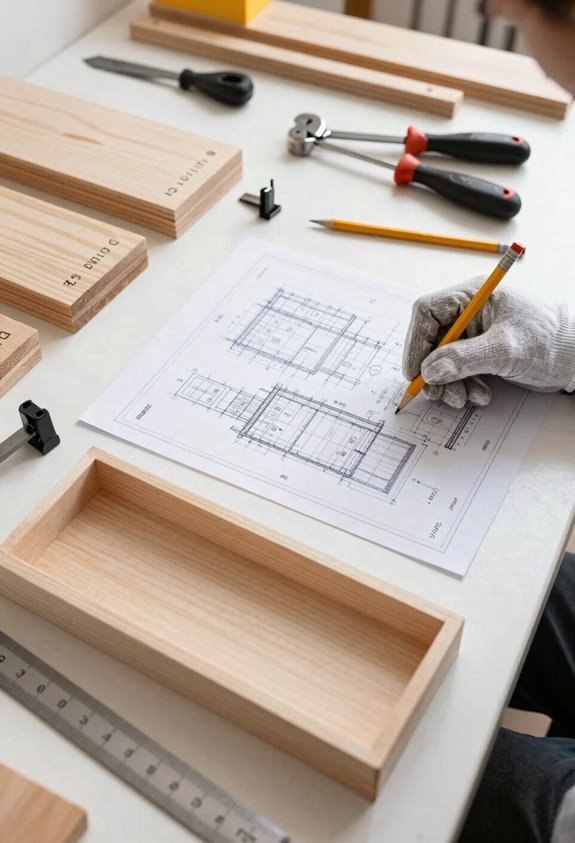
Skipping your plan wastes material fast, especially on fixed projects like bed frames. Read the entire plan first, seriously. Missing steps means rework.
Ignoring safety practices risks injuries. I always secure my workpieces with clamps, wear eye and ear protection, and check my tools.
Using dull blades produces rough, poor-quality finishes that undermine your work. Sharp tools matter.
With beginner-friendly plans, accuracy in cutting, and solid safety practices, you’ll avoid these pitfalls and actually enjoy building.
Choose Plans That Match Your Current Skill Level
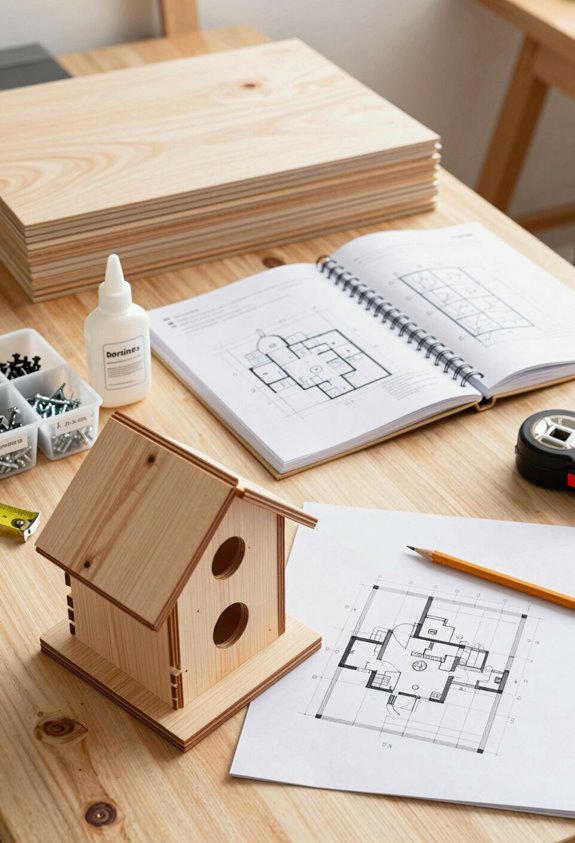
Now that you’ve got the safety and technique basics down, picking the right plan helps you progress effectively. Matching projects to your skill level builds confidence faster than jumping into advanced work.
Start with beginner projects like simple shelves or tool totes. These free plans teach fundamental skills without overwhelming you. As you progress, you’ll naturally graduate to more complex builds, such as kitchen cabinets or desks, when you’re ready.
Here’s my approach: honestly assess what you can handle right now. Free plans typically come with detailed diagrams and material lists, making them accessible guides. Look for PDFs that include step-by-step instructions.
Don’t rush complexity. Each completed beginner project strengthens your foundation. You’ll join countless woodworkers who’ve built lasting skills by respecting their current skill level and celebrating small wins along the way.
Simple Storage Projects You Can Build This Weekend
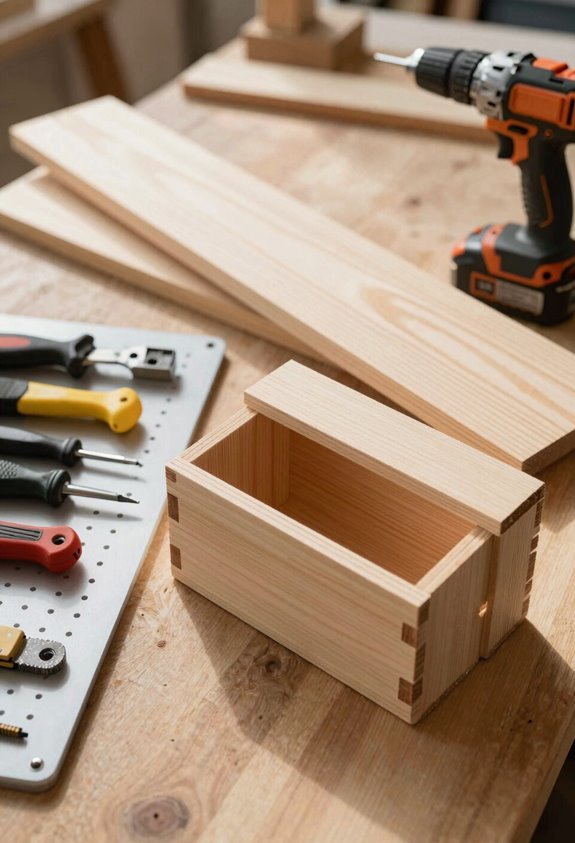
I’ve got great news, you don’t need a fully stocked workshop or months of experience to build useful storage that’ll actually organize your space. Projects like wall-mounted sliding crate storage or a simple clothes drying rack use common materials (think store-bought crates or basic boards) and just a few tools like a drill and miter box, so you can knock them out in a weekend.
The best part is that these budget-friendly builds give you real results fast, which honestly feels great when you’re just starting out.
Budget-Friendly Storage Solutions
How much space could you reclaim in your closet or entryway this weekend?
You don’t need expensive materials or advanced skills. Free plans guide you through affordable storage solutions using pallets, crates, and basic boards. These modular projects adapt to your specific dimensions, whether your wall’s 4 feet or 8 feet wide.
Start with what you’ve got. Wooden pallets cost little and build sturdy wall-mounted sliding crate storage in hours. Simple shelving arrangements maximize vertical space without breaking your budget.
The best part? Bundled plan offers let you grab multiple projects at discounted rates. Buy two plans, get one free, perfect for tackling your bedroom, kitchen, and entryway with matching designs.
These step-by-step instructions include cut lists and diagrams. You’ll estimate materials accurately and finish before Monday arrives.
Weekend-Ready Project Builds
Those budget-friendly storage solutions we just covered? You can actually build them this weekend. I’m talking about free woodworking plans that don’t require fancy equipment or years of experience.
Here’s what makes a weekend project realistic:
Quick Builds (4-8 hours)
- Wall-mounted spice racks
- Closet organizers
- Charging stations for tools
What I love about beginner-friendly plans is they come with everything you need: step-by-step instructions, material lists, and exact cut measurements. You’ll grab supplies, follow along, and finish before Sunday dinner.
The plans often include video tutorials reinforcing the written directions, so you’re never confused. With basic carpentry skills and minimal tools (think cordless drill and sandpaper), you’re ready. This approach makes woodworking accessible, turning storage challenges into completed projects you’ll actually use.
Kitchen Organization Solutions for Clutter Control
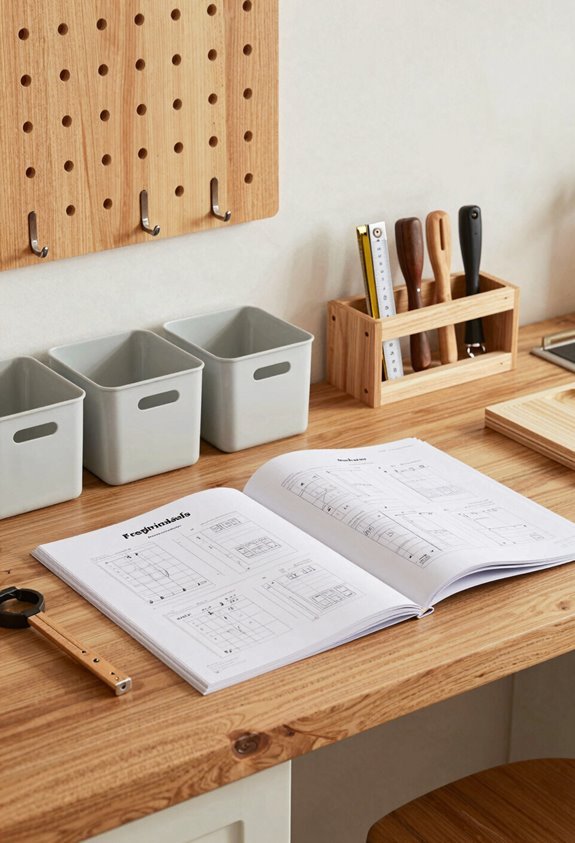
Ever wonder why your kitchen cabinets seem to swallow things whole? You’re not alone. I’ve found that strategic storage solutions create functional spaces from chaotic cupboards.
Three beginner-friendly kitchen projects tackle organization efficiently. You’ll need minimal tools, a miter box and drill handle most builds. What’s great? Full video tutorials guide each step.
Key Projects:
- Custom shelving units maximize vertical space
- Drawer dividers corral utensils and gadgets
- Cabinet organizers create dedicated zones
These low-cost builds use common materials, making organization accessible for everyone. Complete all three in one weekend.
The Buy 2 Plans, Get 1 Free bundle encourages tackling multiple spaces simultaneously, creating consistent organization throughout your home while building confidence in your woodworking abilities.
Essential Furniture Builds for Your First Projects
Once you’ve conquered kitchen organization, you’re ready to build actual furniture pieces. That’s where the real satisfaction kicks in. I’d recommend starting with beginner furniture that builds your confidence gradually.
Free plans from sources like Rockler and Woodcraft offer step-by-step instructions for essential projects. Simple shelves teach you basic cuts and assembly. Tool totes introduce joinery skills. Wine racks develop your precision. Birdhouses are perfect for practicing smaller details.
Each project includes material lists and cut lists, so you’ll know exactly what you need. You’re not guessing anymore. The progression from simple to complex means you’re constantly learning without feeling overwhelmed.
These beginner furniture builds aren’t just practice. They’re functional pieces you’ll actually use and gift. That’s the real payoff.
Beginner Shop Organization: Storage Cabinets and Wall Systems
As your tool collection grows, you’ll need smart places to keep everything organized and within reach. Wall-mounted cabinet systems are perfect for this job. I’ll show you how to build storage solutions like a Cordless Drill Charging Center and Sandpaper Disc Storage Rack using simple French Cleat methods that let you adjust shelves and hooks as your needs change.
With the right space optimization strategies, you can turn a cluttered corner into an efficient workshop that makes finding your tools quick and easy.
Wall-Mounted Cabinet Systems
Why waste valuable floor space when your walls can do the strenuous work? Wall-mounted cabinet systems are beginner-friendly solutions that organize empty wall space into storage. I’ve found that using a French Cleat System, basically two interlocking wooden strips, makes installation straightforward and allows you to reconfigure cabinets whenever you need.
The beauty of wall storage customization is flexibility. You’re not locked into one layout. As your workshop grows, you’ll adjust cabinet positions to match your changing needs.
Start by planning your layout on paper, measuring your wall space carefully. These systems require minimal tools and skills, making them perfect for newcomers. You’ll appreciate how configurable openings let you store different-sized tools efficiently. Your workshop becomes organized without complicated construction, giving you the control and space you’ve been craving.
Tool Storage Solutions
The real benefit of a beginner workshop happens when you can grab what you need without hunting through drawers or digging through piles. I’ve found that smart tool storage walls create organized zones where everything has its place.
Consider these storage solutions:
- French Cleat systems let you mount cabinets securely while keeping them movable, perfect as your tool collection grows
- Adjustable Cabinet Systems with modular openings fit different tool sizes without wasted space
- Dedicated charging stations keep cordless drills, batteries, and bits compact and accessible
I recommend starting with wall-mounted solutions using simple joinery like pocket holes. These Tool Storage Walls scale beautifully. You’ll spend less time searching and more time building. That’s the real win.
Space Optimization Strategies
Once your tools have homes on the wall, you’ll want to think bigger about how your entire shop layout works. Smart space optimization means planning for growth, not just today’s needs.
Consider a French Cleat system, which is basically two interlocking wooden strips that let you rearrange wall-mounted storage whenever you want. This flexibility matters as your tool collection expands.
Next, think modular. Storage cabinets with adjustable openings let you customize compartments for different tools. Keep frequently used items at eye level for quick access.
Finally, prioritize your layout strategically:
- Position your cordless drill charging center near your main work area
- Reserve bench space for active projects only
- Group similar tools together
This approach keeps your shop efficient and ready to evolve with your skills.
Building Blocks: How to Advance From Your First Project
Congratulations on finishing your first woodworking project. You’ve already tackled the hardest part, which is just getting started. Now it’s time to level up your skills with free printable woodworking plans designed for progression.
Here’s how to advance strategically:
- Start with similar projects: Build a second tool tote or birdhouse to reinforce techniques before jumping to something harder
- Increase complexity gradually: Move from simple shelves (12-18 inches) to small cabinets with basic joinery (24-36 inches)
- Explore new skills: Each progression plan introduces one or two fresh techniques, like adding doors or drawers
Use beginner-friendly resources like Woodcraft and The Wood Whisperer. Their growth-oriented plans scaffold your learning perfectly. You’re not just building furniture; you’re building confidence and joining a community of makers who started exactly where you are.
What to Look for in Quality Woodworking Plans
When you’re hunting for quality woodworking plans, focus on two things that’ll make your build go smoothly: crystal-clear instructions paired with detailed visuals, and complete material lists with exact measurements. You’ll want diagrams that show each step, like a map that keeps you from getting lost, plus a cut list (a breakdown of every piece of wood you’ll need, like “2×4 board cut to 24 inches”) so you’re not scrambling at the store.
Plans that include both written instructions and video tutorials give you flexibility depending on how you learn best, whether that’s reading step-by-step or watching someone actually do it.
Clear Instructions And Visuals
Why do some woodworking plans feel like puzzles while others guide you smoothly from first cut to final finish? The difference lies in how well they’re explained and illustrated.
I’ve found that the best woodworking plans combine step-by-step instructions with detailed visuals at every stage. Here’s what separates excellent plans from confusing ones:
- Detailed diagrams showing exact measurements and angles for each cut
- Progressive photos displaying assembly stages so you see what comes next
- Labeled drawings identifying every component and where it connects
Quality plans walk you through the build systematically. Rather than overwhelming you with information, they break projects into manageable chunks. You’ll know precisely which tools you need and when to use them. This approach makes woodworking feel achievable rather than intimidating, letting you join our community of confident builders as you tackle your first projects with assurance.
Material Lists And Measurements
Now that you understand how good visuals guide your building process, you’ll need another important tool: an accurate material list. A quality bill of materials breaks down everything you’ll buy by project section, making shopping straightforward and preventing costly mistakes.
Look for plans listing both nominal sizes (what lumber’s called) and actual finished dimensions (what you’ll really get). For example, a “1-inch board” actually measures ¾ inches thick after milling.
The best material lists include:
- Exact quantities and measurements for each piece
- Wood species and board width options
- Hardware specifics with quantities
- Finish recommendations
A printable, standardized format lets you check off items as you shop. This approach saves trips back to the store and keeps your project on track from start to finish.
Free Resources for Beginner Projects and Instructions
Where do you find your first woodworking project? I’d recommend exploring platforms like Woodcraft and Rockler, which offer free plans specifically designed for folks like us who’re just starting out. These resources give you everything you need right from the start.
Here’s what makes these free plans valuable:
- Step-by-step instructions that break down each build into manageable tasks, reducing guesswork
- Detailed diagrams and material lists showing exact measurements and quantities you’ll need
- Beginner-friendly projects like tool totes, shelves, and birdhouses that build confidence
Most plans come as downloadable PDFs, though some include SketchUp files or videos. You’re joining a community that learns together.
These free resources aren’t just instructions; they’re your foundation for developing real woodworking skills while building momentum toward more advanced projects.