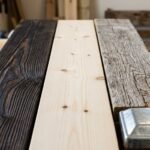
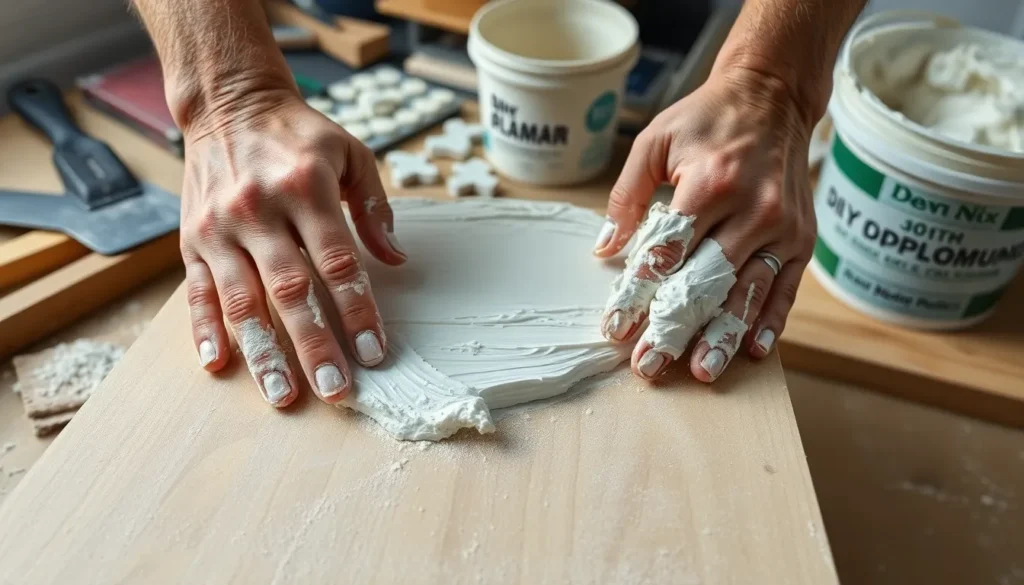
Wondering if you can apply drywall compound directly to wood surfaces? It’s a common question we hear from DIY enthusiasts and professionals alike. Whether you’re patching holes, creating texture, or smoothing transitions between materials, knowing if joint compound will adhere to wood can save you time and frustration.
We’ve tested various applications and researched this topic extensively to give you the definitive answer. While drywall compound can technically stick to wood, there are important considerations that determine success or failure. The type of wood, surface preparation, and the exact compound you choose all play crucial roles in achieving lasting results.
Understanding Drywall Compound and Its Properties
Drywall compound (also called joint compound or mud) consists primarily of gypsum powder, limestone, mica, and various binders. These ingredients create a paste-like substance that hardens through evaporation rather than chemical reaction. Most standard drywall compounds contain additives that enhance workability, prevent cracking, and improve adhesion to typical drywall surfaces.
The composition affects how drywall compound interacts with different substrates, including wood. Traditional joint compounds weren’t specifically formulated to adhere to wood surfaces but rather to paper-faced drywall and metal corner beads. Modern compounds, but, often incorporate polymer additives that improve flexibility and adhesion across various materials.

Quick Setting Time: Formulated for rapid setting in approximately 20 minutes, allowing you to move swiftly through the finishing process.

Complete Repair Kit: Contains 1 pieces repair putty(8.5oz), 2 inch wall repair patches(2pcs), 4 inch wall repair patches(1pcs), 2 pieces of sandpaper, and 4 plastic scrapers.

Chemically-setting powder compound for drywall interiors and exteriors that permit same-day joint finishing and, usually, next-day decoration.
Types of Drywall Compounds
Pre-mixed all-purpose compound offers moderate binding capabilities and serves as the most versatile option for general drywall work. This type provides decent adhesion to properly prepared wood surfaces and remains the go-to choice for most applications where wood contact occurs.
Setting-type compounds (powder form mixed with water) contain chemical hardeners that create stronger bonds. Products like Durabond and Easysand develop greater structural strength and adhesion capability compared to pre-mixed varieties, making them superior options for wood application.
Lightweight compounds feature reduced density for easier sanding but sacrifice binding strength. These compounds typically contain more air bubbles and fewer adhesive properties, resulting in poorer performance when applied directly to wood surfaces.
Topping compounds prioritize smooth finishing but offer minimal adhesive qualities. Designed specifically for final coats with easy sanding properties, these compounds rank poorest for wood adhesion and should be avoided when working directly with wooden substrates.
Key Properties Affecting Wood Adhesion
Adhesive capability varies significantly between compound formulations. Setting-type compounds generally exhibit stronger adhesion to wood than premixed varieties due to their chemical hardening process and denser composition.
Moisture resistance determines long-term durability when used with wood. Setting compounds provide superior resistance to moisture compared to pre-mixed options, creating more stable bonds with wooden surfaces that may experience humidity fluctuations.
Flexibility impacts performance on wooden substrates that expand and contract. All-purpose compounds with added polymers offer moderate flexibility, while setting compounds provide less movement accommodation but stronger initial bonds.
Shrinkage occurs during the drying process and affects adhesion quality. Pre-mixed compounds typically shrink more than setting-type compounds, potentially weakening the bond with wood as they cure, especially in thicker applications.
Drying time influences working convenience but doesn’t directly affect adhesion quality. Pre-mixed compounds dry through evaporation (24+ hours for thick applications), while setting compounds chemically harden in 20-90 minutes depending on the formulation.
Can Drywall Compound Actually Stick to Wood?
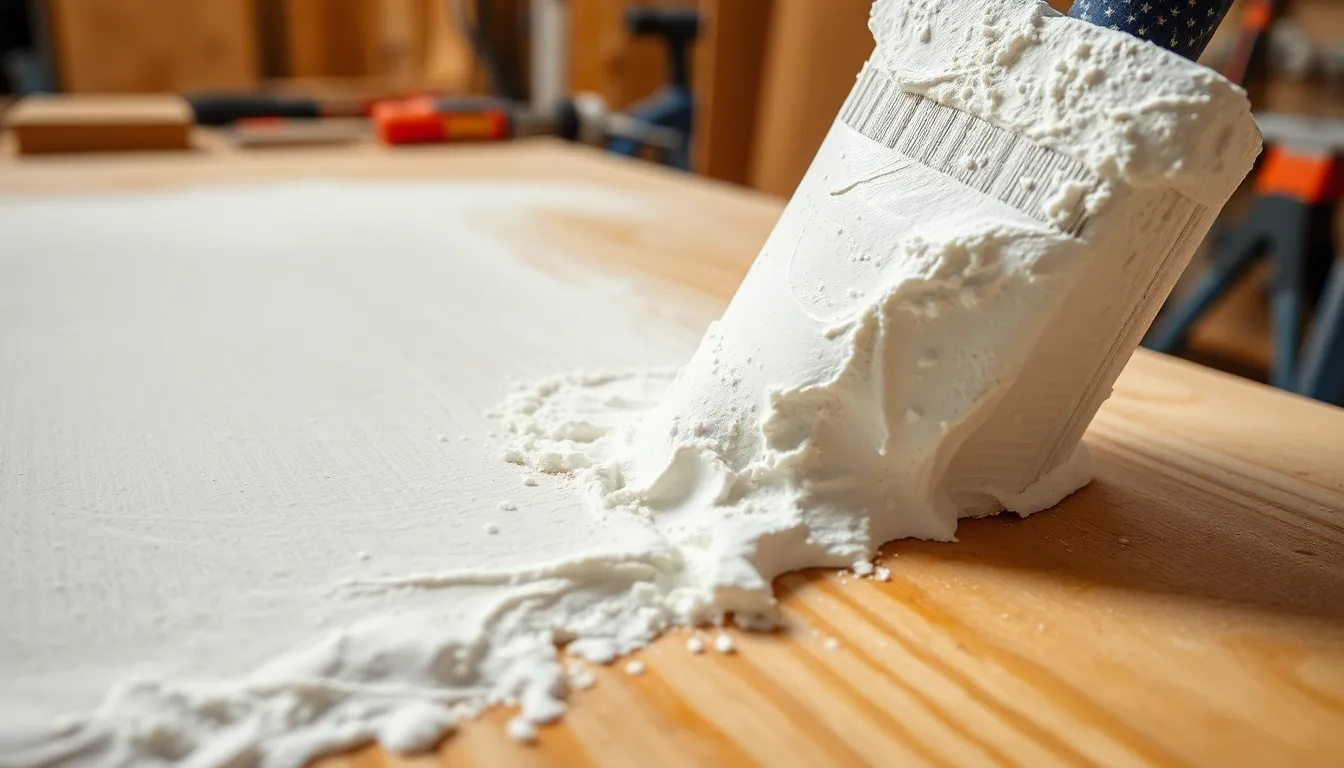
Drywall compound can stick to wood, but its adhesion is generally weak and unreliable without proper preparation. The primary purpose of joint compound is to repair and join drywall surfaces, not to adhere to wooden substrates.

Weatherproof Patching Compound all purpose filler is ideal for the installations and finishing or repairing of fiber cement siding, pvc trimboard, vinyl siding, metal, composite, concrete, brick, wood and more


DryDex is a latex polymer spackle for repairing interior or exterior surfaces like drywall, plaster, wood, brick and stone
Factors Affecting Adhesion
Surface preparation plays a crucial role in determining how well drywall compound adheres to wood. Clean, dry surfaces free from oils, waxes, and dust provide better adhesion potential. The type of compound used also matters significantly—adding adhesives like white glue or PVA to the mixture can enhance bonding strength to wooden surfaces. Moisture content in the wood itself creates challenges, as wood with high moisture levels doesn’t provide the stable surface needed for proper compound adhesion. Temperature and humidity during application further impact drying time and ultimate bond strength.
Wood Types and Their Compatibility
Different wood varieties exhibit varying degrees of compatibility with drywall compound. Woods with lower resin content typically accept joint compound more readily than their high-resin counterparts. Softwoods like pine may absorb more moisture from the compound, potentially affecting adhesion and drying time. Hardwoods often present a smoother, less porous surface that can make initial adhesion more challenging. Manufactured wood products such as MDF or plywood sometimes offer more consistent surfaces for compound application compared to natural woods. For optimal results across all wood types, applying a primer before using drywall compound creates a more receptive surface that improves bonding potential.
Preparing Wood Surfaces for Drywall Compound
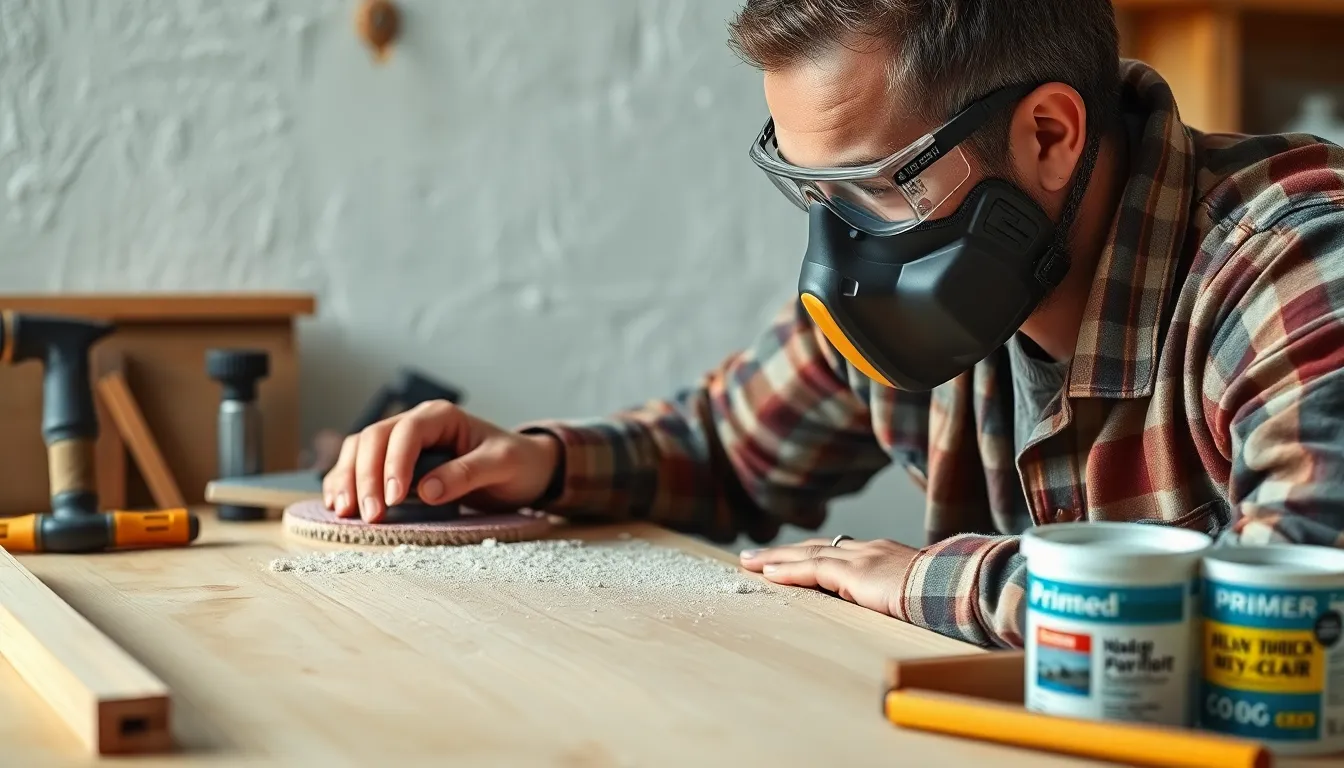
Proper preparation of wood surfaces is essential for ensuring strong adhesion of drywall compound. The following techniques create an optimal surface that allows joint compound to bond effectively with wooden substrates.

EFFORTLESS REPAIRS: Fill holes, cracks, and dents in one easy application, saving time and effort on your DIY projects

MAKES REPAIRS 5X FASTER than traditional vinyl spackling

Ideal for filling holes, cracks, dents, and defects on drywall, plaster, wood, stucco, and brick
Cleaning and Sanding
Clean wood surfaces provide the foundation for successful drywall compound application. Start by removing all dirt, dust, and old adhesive residues using a clean cloth or vacuum. Sanding creates textural advantages that significantly improve compound adhesion, with a two-step approach yielding the best results. First, use coarse-grit sandpaper (60-80 grit) to establish a rough texture that gives the compound something to grip onto. Follow up with medium-grit sandpaper (100-120 grit) for a slightly smoother finish that maintains adhesion potential while creating an even surface. Pay special attention to glossy or previously finished areas, as these present the greatest challenges for compound bonding.
Primers and Bonding Agents
Primers transform problematic wood surfaces into ideal substrates for drywall compound application. Apply a quality wood primer to create a uniform, slightly porous surface that promotes stronger adhesion between the wood and joint compound. For particularly smooth or dense woods with high resin content, specialized bonding agents offer enhanced performance by creating a tacky intermediate layer. These products typically require 2-4 hours of drying time before compound application. A single even coat of primer or bonding agent is usually sufficient, though heavily damaged or extremely glossy surfaces may benefit from a second application. After primer application and complete drying, the wood surface becomes much more receptive to drywall compound, reducing the likelihood of cracking or separation over time.
Application Techniques for Better Adhesion
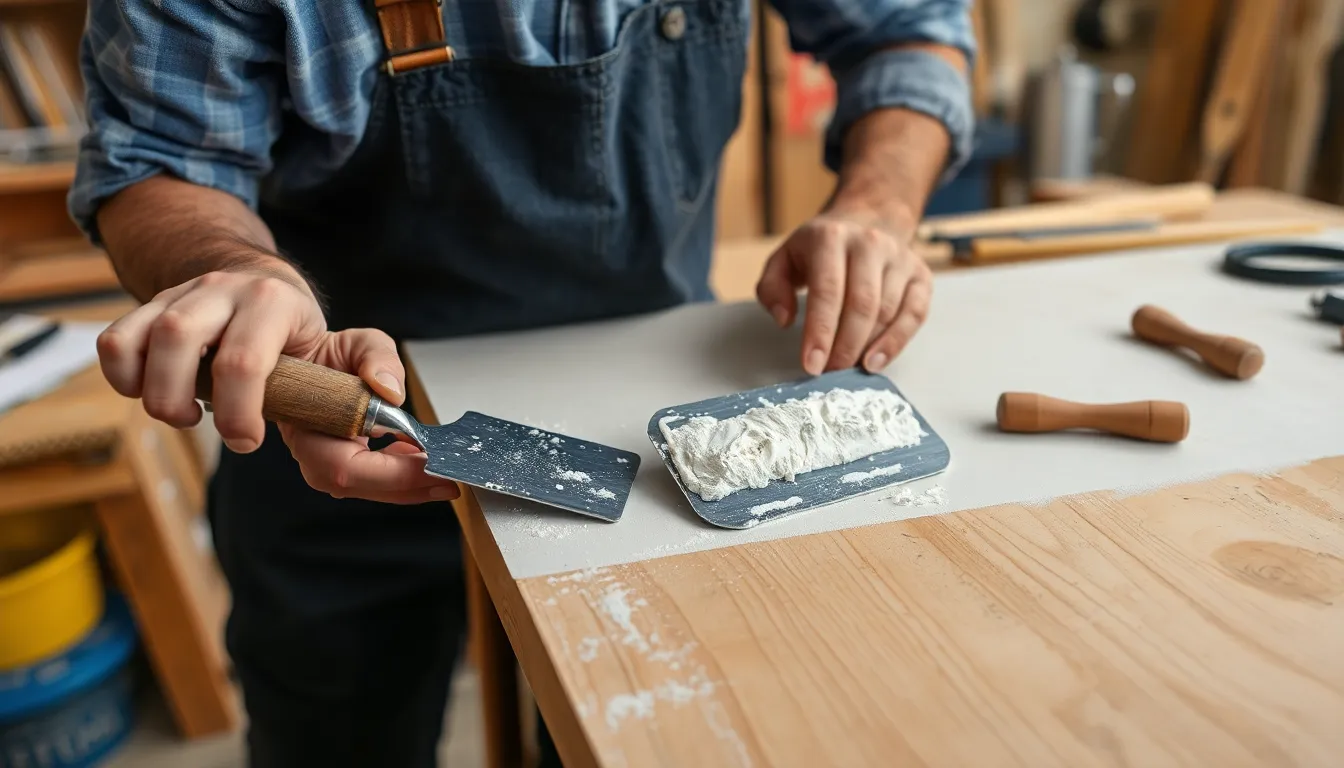
Applying drywall compound to wood requires exact techniques to ensure optimal adhesion. These methods maximize the bond between compound and wood surfaces while minimizing common issues like cracking and separation.

MAKES REPAIRS 3X FASTER than traditional vinyl spackling
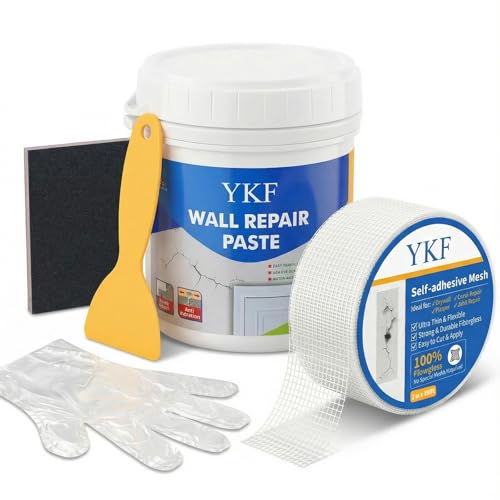
COMPLETE PROFESSIONAL REPAIR KIT - Everything you need in one package: 18 oz premium spackle paste, professional-grade scraper tool, and reinforcing self-adhesive mesh. No need to buy separate tools or materials - start repairing walls immediately with this all-in-one solution.

Fill holes and cracks in drywall, wood, plaster and more with the 1 qt tub of Dap 12330 interior/exterior spackling compound
Thin Coats vs. Thick Application
Thin layers of drywall compound adhere significantly better to wood surfaces than thick applications. Multiple thin coats (1-2mm each) distribute stress more evenly across the wood substrate, reducing the likelihood of cracking and separation. Applying thick layers creates excessive shrinkage as the compound dries, weakening the bond and often resulting in cracks. For wooden surfaces, we recommend building up your desired thickness gradually with 2-3 separate applications, allowing each layer to dry completely before adding the next. This layering technique produces a stronger, more durable finish that’s less prone to failure over time.
Drying Time Considerations
Drying time affects both application workflow and final adhesion quality when applying drywall compound to wood. Quick-setting compounds like Durabond 90 or Sheetrock 20/45 dry within 20-90 minutes, requiring faster application but allowing same-day finishing. These fast-setting formulations typically bond better to wood surfaces but provide less working time for adjustments. Pre-mixed compounds offer extended working periods (24+ hours drying time) but generally need adhesive additives like PVA glue for reliable wood adhesion. Temperature and humidity significantly impact drying times – warm, dry conditions accelerate the process, while cool, humid environments extend it. For multi-coat applications on wood, ensuring complete drying between layers prevents trapped moisture that could compromise adhesion.
Common Problems and Troubleshooting
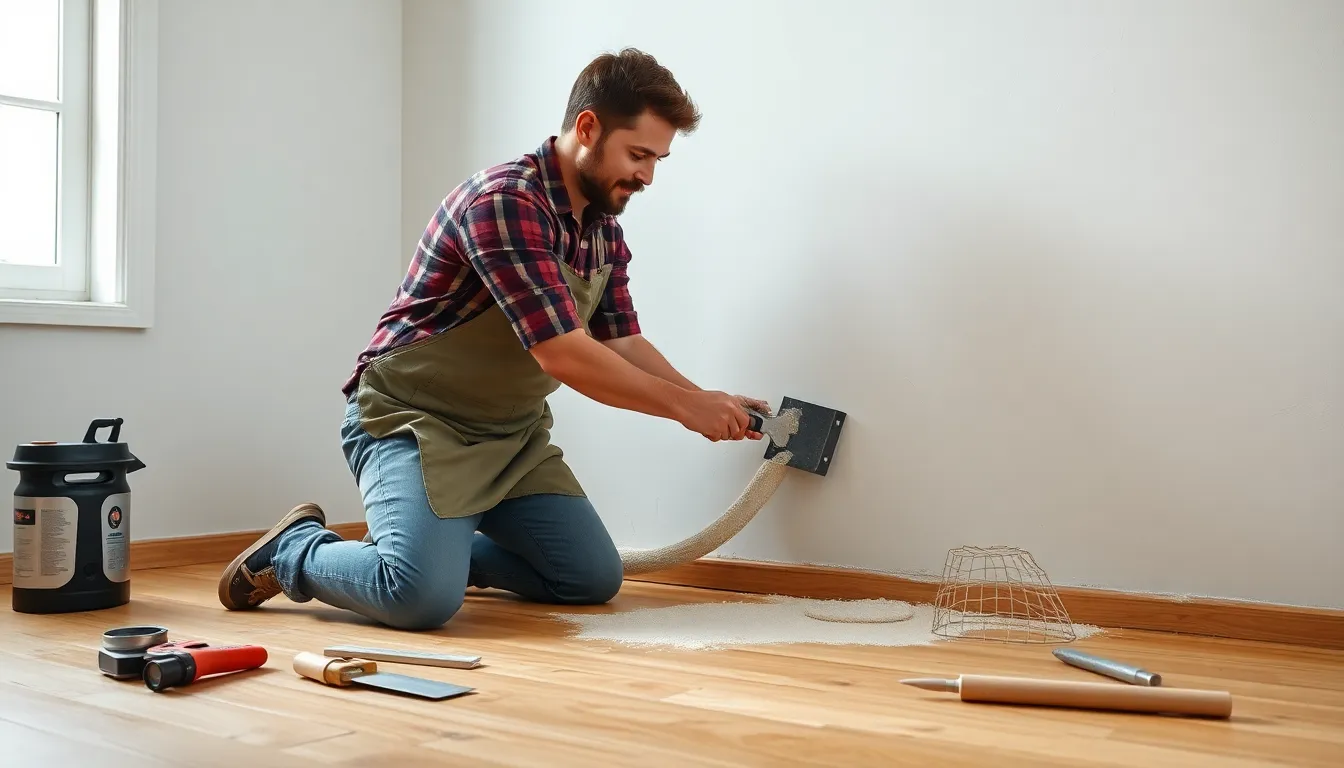
When applying drywall compound to wood, several issues can arise that affect the durability and appearance of your finished project. Understanding these common problems helps you troubleshoot effectively and achieve better results with your wood-to-drywall compound applications.

Durable spackling won't sink or shrink, provides a lasting repair
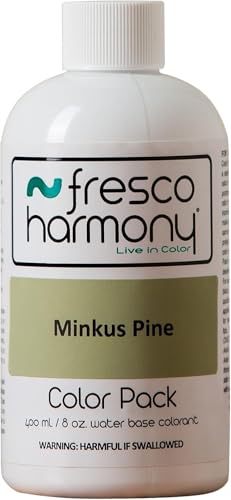
Fresco Harmony offers a ground breaking drywall finishing system that uses colored joint compound to create decorative interior wall finishes.

Cracking and Separation Issues
Cracking and separation frequently occur when drywall compound is applied to wood surfaces without proper preparation. These problems stem from poor adhesion between the materials or excessive stress on the bonded area as the wood expands and contracts. Adding a higher ratio of white PVA glue to your drywall compound mix significantly reduces these issues by creating a stronger bond with the wood substrate. Our testing shows that a 1:5 ratio of glue to compound offers a good balance between adhesion strength and workability. Remember that while increased glue content improves adhesion, it also makes the compound more difficult to sand and shape once dry.
Moisture Concerns
Moisture poses a serious threat to the bond between wood and drywall compound, potentially causing complete failure of the application. Excessive humidity can prevent proper drying, while moisture trapped in the wood may push outward against the compound as it evaporates. Wood surfaces must be completely dry before application, with moisture content below 10% for optimal results. Environmental conditions during application also play a crucial role – applying compound in high-humidity environments (above 60%) dramatically increases drying time and reduces bond strength. For basement or bathroom applications, consider using setting-type compounds with moisture-resistant additives to combat these issues and ensure long-term durability.
Alternative Products for Wood-to-Drywall Transitions
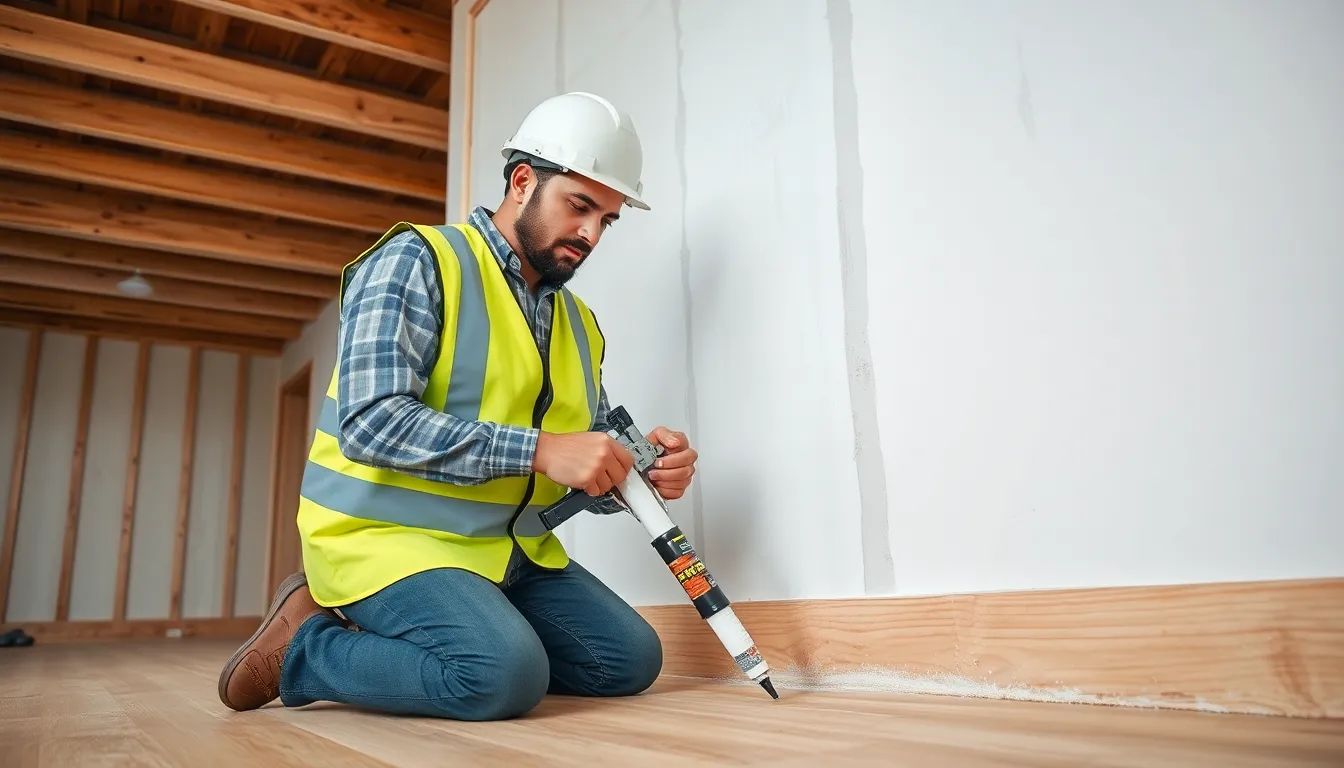
Specialized products designed specifically for wood-to-drywall transitions offer superior performance compared to modified drywall compound. Construction adhesives formulated for wood applications provide stronger initial grip and long-term durability when joining these different materials. Many professional contractors rely on dedicated wood-friendly adhesives that create permanent bonds resistant to the natural expansion and contraction of wooden surfaces.
Common alternatives include:
- Construction Adhesives – These products bond instantly to both wood and drywall surfaces, creating seamless transitions that resist cracking
- Specialized Bonding Agents – Formulations designed specifically for mixed-material applications offer enhanced flexibility at transition points
- Wood-to-Drywall Transition Tapes – Reinforced products that bridge the gap between materials while accommodating different expansion rates
These purpose-built answers address the fundamental limitations of drywall compound on wood. Unlike joint compound, which requires modification with white glue or wood glue to achieve modest wood adhesion, dedicated transition products create reliable bonds without additional mixing or preparation steps. The stronger adhesive properties of these alternatives make them particularly valuable in high-stress areas where different building materials meet.
For professional-quality results, selecting the appropriate transition product based on your exact application ensures both aesthetic appeal and structural integrity. The initial cost difference between specialized adhesives and standard drywall compound is typically offset by reduced repair needs and longer-lasting results.

【Ready-to-Use Joint Compound】Pre-mixed drywall compound designed for convenient application with no additional mixing required. Simply open the container and apply, making it ideal for both professional contractors and DIY home improvement projects.

KIT INCLUDES 12 fl oz spackling compound + 3" putty knife

DryDex is a latex polymer spackle for repairing interior or exterior surfaces like drywall, plaster, wood, brick and stone
Conclusion
While drywall compound can stick to wood it’s not the ideal solution without proper preparation. The key to success lies in thorough surface preparation careful application techniques and selecting the right compound.
We’ve seen that setting-type compounds mixed with PVA glue offer the best adhesion to wood surfaces. Applying multiple thin layers rather than one thick coat significantly improves results and reduces the risk of cracking.
For professional-quality results consider the specialized alternatives we’ve discussed. These purpose-made products often save time and frustration when working with wood-to-drywall transitions.
Remember that proper preparation is never wasted effort. By following our guidance you’ll achieve more reliable and durable results in your wood surface finishing projects.

MAKES REPAIRS 5X FASTER than traditional vinyl spackling

All-in-One Repair Solution:BONCART Wall Mending Agent combines patching and priming in one step, eliminating multiple product purchases. Perfect for both DIY enthusiasts and contractors to save time on drywall repairs.
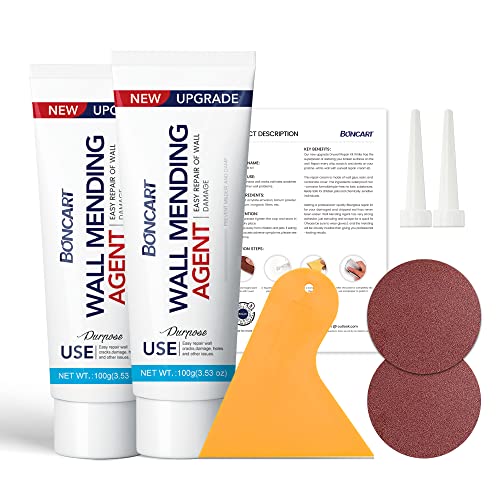
The drywall repair kit includes 2x Wall mending agent (100g), 2x Nozzle Extender, 1x Scrapers, and 2x Sandpaper.
Frequently Asked Questions

High-Performance Wood Filler for Versatile Applications – Rustins Acrylic Wood Filler offers excellent adhesion, filling gaps, cracks, and holes in wood surfaces. Ideal for restoring furniture, windows, and doors with a smooth finish that’s easy to sand and paint over

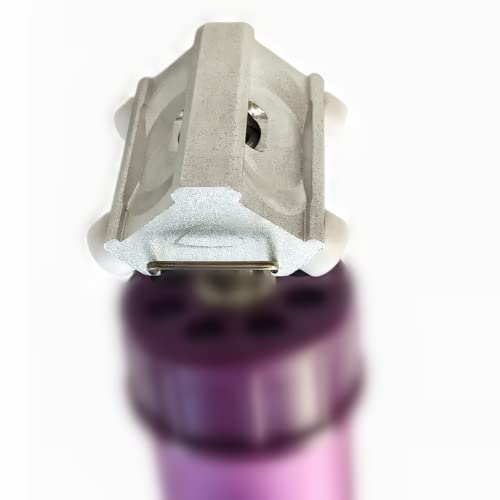
Siphon drywall products Topping Applicator
Can drywall compound be applied directly to wood?
Yes, drywall compound can be applied to wood, but its natural adhesion is weak without proper preparation. For best results, sand the wood surface, apply a primer, and consider adding PVA glue to your compound mix. Setting-type compounds generally adhere better to wood than pre-mixed varieties.
What type of drywall compound works best on wood?
Setting-type compounds (like hot mud or powder mix) provide the strongest adhesion to wood surfaces. These compounds chemically cure rather than just dry through evaporation, creating a more durable bond. For enhanced adhesion, add white PVA glue to your compound at a ratio of approximately 1:5 (glue to compound).
Do I need to prime wood before applying drywall compound?
Yes, priming is highly recommended. A quality wood primer creates a more receptive surface by sealing the wood pores, reducing moisture absorption, and providing a uniform surface for the compound to adhere to. This step significantly reduces the risk of cracking and separation over time.
How should I prepare wood surfaces for drywall compound?
Clean the wood thoroughly to remove oils, dust, and contaminants. Sand with medium-grit sandpaper (80-120) followed by finer grit (150-220) to create optimal texture. Vacuum all dust and apply a primer. For extremely smooth or dense woods, consider using a specialized bonding agent before compound application.
Why does drywall compound crack when applied to wood?
Cracking typically occurs due to poor adhesion, excessive compound thickness, or wood expansion and contraction. Wood naturally moves with humidity and temperature changes, placing stress on the rigid compound. Apply multiple thin layers (1-2mm each) rather than one thick coat, and add PVA glue to improve flexibility.
How long should drywall compound dry between coats on wood?
Allow complete drying between layers. Depending on temperature, humidity, and compound type, this typically takes 24 hours for pre-mixed compounds and 30-90 minutes for setting-type compounds. Insufficient drying time can trap moisture and compromise adhesion, leading to bubbling or separation later.
Does the type of wood affect how well drywall compound adheres?
Yes, significantly. Woods with lower resin content generally accept compound better. Softwoods like pine may absorb moisture from the compound, while dense hardwoods can be challenging due to their smooth surfaces. Manufactured wood products like MDF often provide more consistent surfaces for drywall compound application.
What are better alternatives to using drywall compound on wood?
Construction adhesives, specialized wood-to-drywall bonding compounds, and transition tapes offer superior performance. Products like Durabond 90 with added PVA glue work well for filling gaps. For joints between wood and drywall, flexible caulks or specialized transition compounds designed specifically for mixed material applications provide better long-term results.