When we’re in the middle of a DIY project and discover we need to bond plastic to another material, it’s tempting to reach for whatever adhesive is on hand. Wood glue is often that convenient option sitting in our workshop, but will it actually work on plastic surfaces?
The short answer isn’t a simple yes or no. Different types of plastics react uniquely with various adhesives, and wood glue specifically has limitations when it comes to non-porous surfaces. We’ll explore whether your wood glue can save the day or if you’ll need to make a quick trip to the hardware store for a more suitable adhesive.
Understanding Wood Glue and Its Properties
Wood glue is specifically formulated to create strong bonds between wooden surfaces through its unique chemical composition. The effectiveness of wood glue depends on its ability to penetrate wood fibers, which is fundamentally different from how adhesives bond to plastic surfaces.
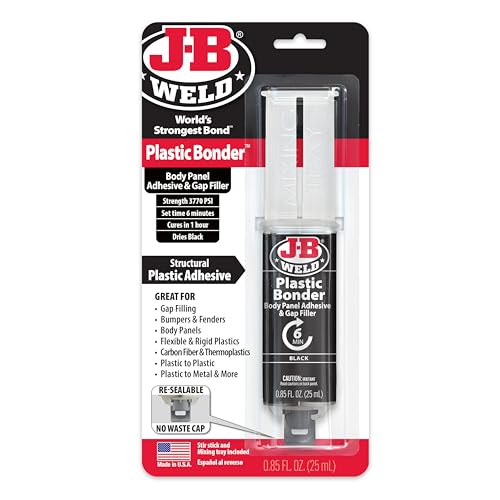
Plasticbonder: Is A Quick-Set, 2 Part, Urethane Adhesive System That Provides Strong, Lasting Repairs And Works On Thermoset, Carbon Fiber Composites, Thermoplastics, Coated Metals, Concrete & More.

JB WOODWELD: Is a fast setting two-part epoxy system formulated for wood bonding and repairs. It provides a lasting permanent bond that is stronger than the wood!
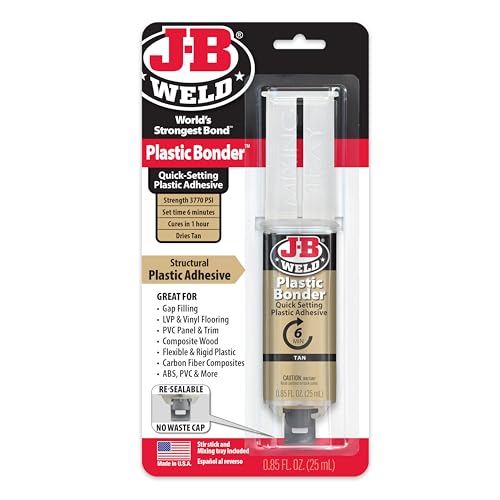
J-B WELD PLASTICBONDER (Tan): A quick setting and multipurpose two part urethane adhesive & gap filling system that provides a strong and lasting bond to many plastic surfaces. J-B Weld PlasticBonder is great for DIY plastic repairs, filling dents, bumper repairs and more! J-B Weld PlasticBonder now comes in a syringe allowing for an easy 1:1 mix ratio. The unique syringe has a re-sealable cap that prevents drying out and leaking, allowing for multiple uses!
Common Types of Wood Glue
Several types of wood glue exist on the market, each with distinct properties and applications. PVA (polyvinyl acetate) glue, commonly known as white or yellow wood glue, is the most popular choice for most woodworking projects due to its strong bond and ease of use. Aliphatic resin glue, often called carpenter’s glue, offers water resistance and faster setting times than standard PVA. Hide glue, derived from animal collagen, provides excellent adhesion for antique furniture restoration and allows for future disassembly. Polyurethane wood glue excels in moisture resistance and can bond wood to some non-porous materials. Epoxy-based wood adhesives create extremely durable bonds and fill gaps effectively, making them suitable for structural repairs.
Chemical Composition of Wood Glue
The chemical makeup of wood glue explains why it works so well on wood but struggles with plastic surfaces. PVA wood glues contain polyvinyl acetate polymers suspended in water, which penetrate wood fibers as the water evaporates, creating mechanical bonds. These adhesives work through absorption into porous materials like wood, where they form interlocking chains within the fibrous structure. The curing process involves water evaporation, allowing the polymer molecules to move closer together and form a solid bond. Wood glues typically have a pH between 3-5, making them slightly acidic to help break down wood fibers for better penetration. This chemical structure is optimized for porous, cellulose-based materials and lacks the specialized bonding agents needed to create effective adhesion with the non-porous, chemically inert surface of most plastics.
Why Wood Glue Generally Doesn’t Work on Plastic
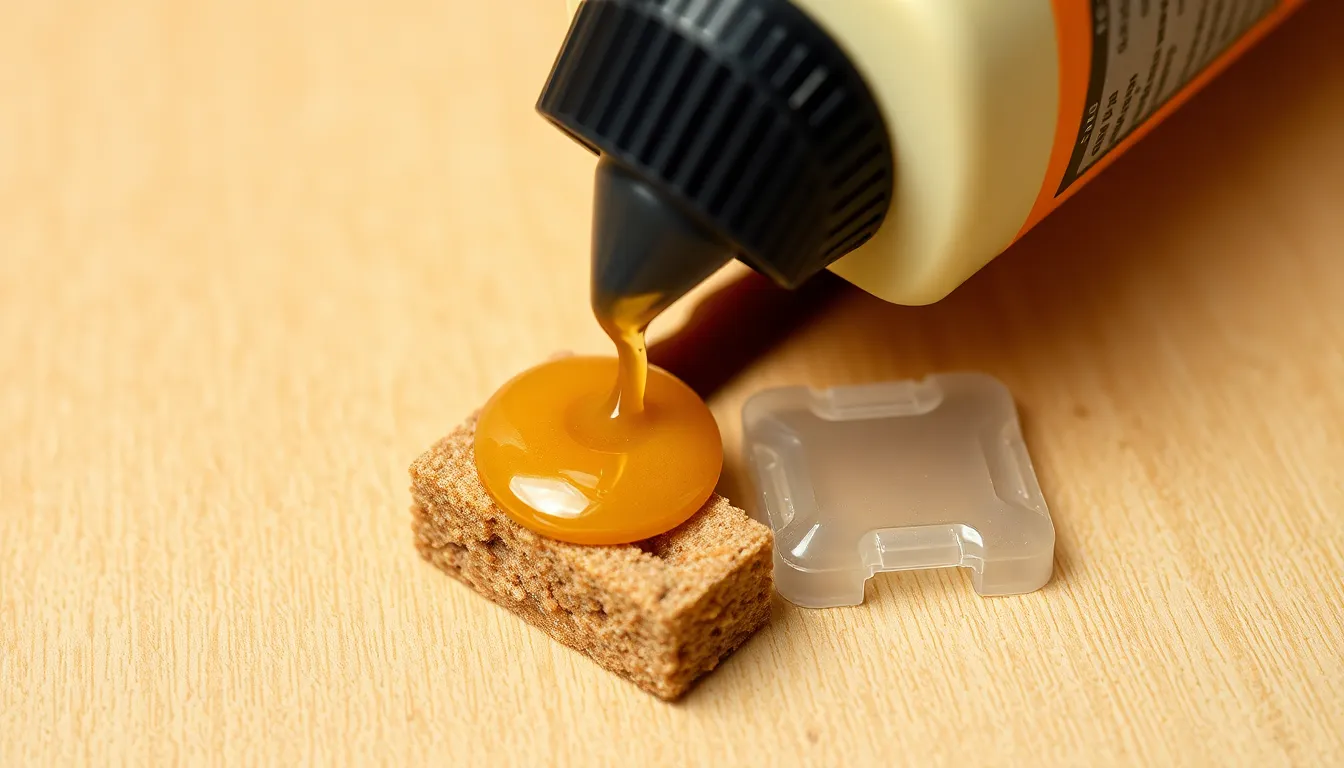
Wood glue typically fails to create strong bonds with plastic surfaces due to fundamental differences in material properties. These differences affect both the adhesion mechanism and the chemical interaction between the adhesive and substrate materials.
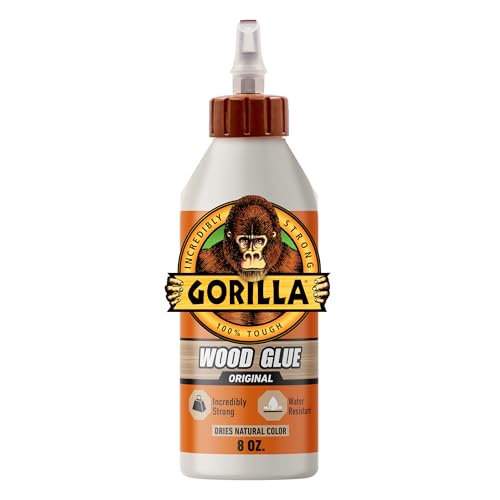
FAST CLAMP TIME: Bonds strong and fast with a clamp time of just 20–30 minutes; fully cured in 24 hours to keep your projects moving on schedule

Provide a much stronger bond than the wood itself

This item is a Franklin International 5063 Titebond Original Wood Glue, 8-Ounce
Adhesion Principles and Surface Compatibility
Wood glue’s effectiveness relies on the porous nature of wooden surfaces, allowing it to penetrate deeply into wood fibers. Plastic surfaces lack this porosity, presenting a smooth, non-absorbent substrate that prevents proper adhesive penetration. The adhesive formulation in wood glues specifically targets the organic, fibrous structure of wood, creating mechanical bonds as the glue seeps into tiny crevices and hardens. Plastics, in contrast, offer no such absorption opportunities, resulting in a surface-level bond that easily breaks under minimal stress.
Bonding Limitations Between Organic and Synthetic Materials
The chemical composition of wood glue creates another important barrier to plastic adhesion. Wood glues contain polymers optimized for interaction with cellulose and lignin found in wood, not the synthetic polymers in plastic materials. This incompatibility at the molecular level prevents the formation of strong chemical bonds between the adhesive and plastic substrate. Many wood glues, particularly PVA-based varieties, rely on water evaporation as part of their curing process—a mechanism that doesn’t help proper adhesion to non-porous plastic surfaces. Specialized adhesives like polyurethane glues or plastic bonding agents contain chemical compounds specifically designed to create molecular interactions with synthetic materials, making them far more suitable for plastic-to-wood or plastic-to-plastic applications.
Testing Wood Glue on Different Plastic Types
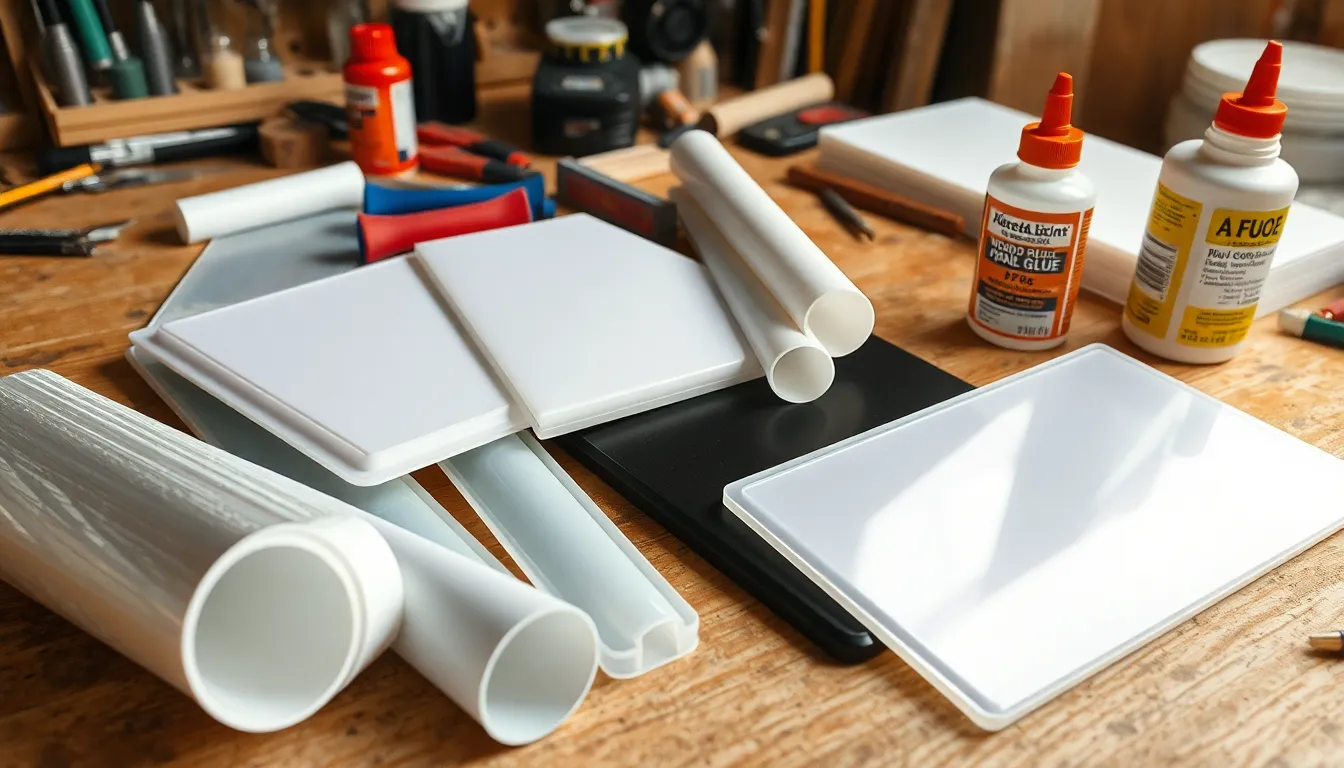
We’ve conducted practical tests to determine how well wood glue performs when applied to various plastic materials. Our experiments focused on three common plastic types found in DIY projects to provide definitive answers about adhesion effectiveness.

【Strong Adhesion】: This ABS adhesive provides fast, strong adhesion, providing instant super adhesion and superior repair ability to ensure continued viscosity

【Deep Molecular Fusion】 Stop just sticking surfaces together and start welding them. ALECPEA is engineered to penetrate and fuse hard-to-bond plastics like ABS, PVC, and Acrylic. Its advanced formula creates a tenacious bond that resists bending and torsion, making it the go-to solution for everything from intricate scale models to heavy-duty household repairs.

IDEAL FOR: PVC JOINTS AND COLUMN WRAP INSTALLATION
Results on PVC, ABS, and Acrylic
PVC (Polyvinyl Chloride) shows poor bonding results with wood glue. The adhesive fails to create a reliable connection with this material, making specialized products like PVC solvent cement a much better alternative for any project involving PVC components.
ABS (Acrylonitrile Butadiene Styrene) plastics demonstrate similar incompatibility with wood glue. Our tests confirm that ABS requires exact adhesives such as ABS solvent products or epoxy-based formulations to achieve structural integrity in bonded joints.
Acrylic materials exhibit almost no effective bonding with standard wood glue. The chemical properties of acrylic resist the adhesion mechanisms in wood glue, making acrylic solvent adhesives or cyanoacrylate (CA) glue far superior options for this material.
Durability and Strength Considerations
Incorrect adhesive selection dramatically impacts long-term performance when working with plastics. Bonds created using wood glue on plastic surfaces typically fail under minimal stress due to fundamental chemical incompatibility issues.
Material-exact adhesives provide significantly stronger connections because they’re formulated to interact with the unique molecular structure of each plastic type. Epoxy works effectively with ABS by creating chemical bonds at the molecular level, while acrylic solvent adhesives partially dissolve the bonding surfaces to create a fused connection.
Chemical compatibility represents the most crucial factor in achieving durable plastic bonds. Wood glue, even though its excellent performance on wooden surfaces, lacks the necessary chemical properties to form strong molecular connections with synthetic polymers like PVC, ABS, and acrylic.
Better Alternatives for Bonding Plastic
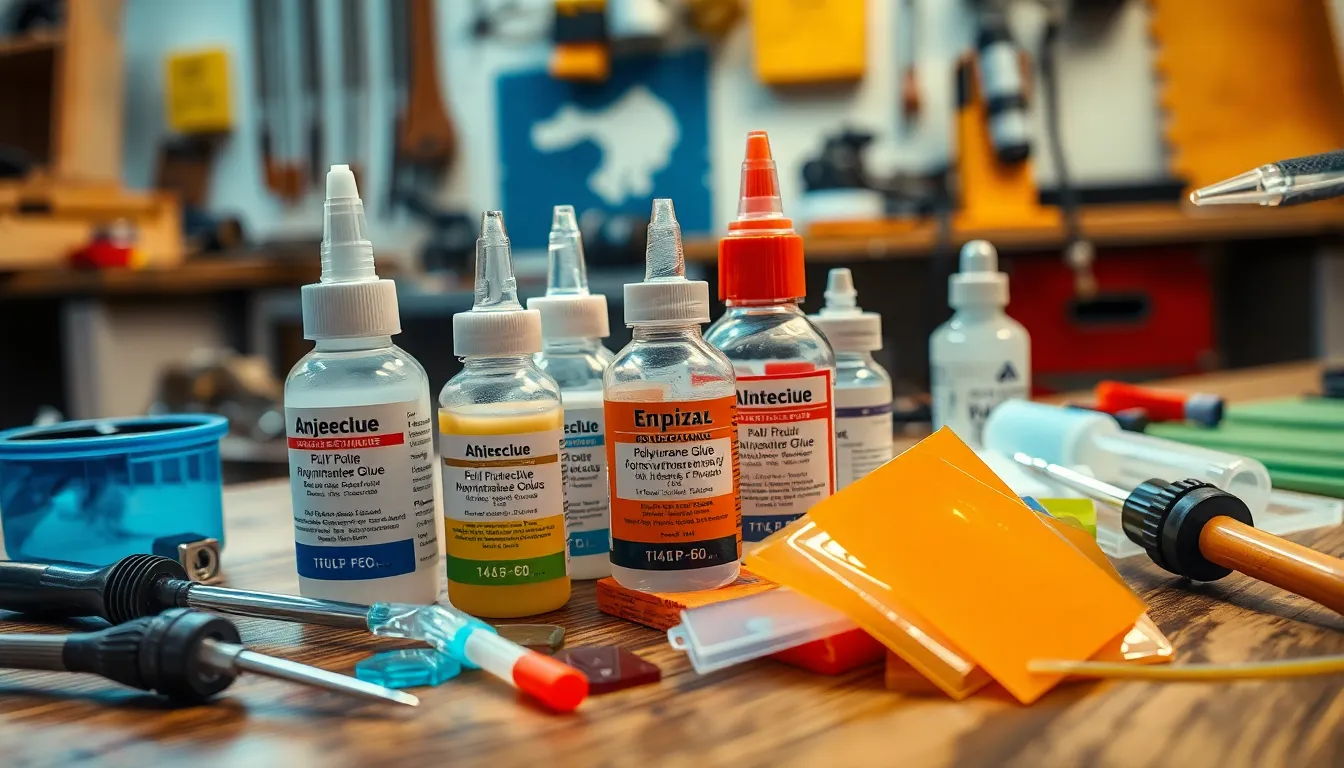
Wood glue fails to create strong bonds with plastic materials due to their non-porous surfaces and low surface energy. Several specialized adhesives offer significantly better performance when joining plastic to wood or other materials.

It is a black, medium body acrylonitrile-butadiene-styrene (ABS) solvent cement for joining ABS plastic pipe and socket-type fittings

ALL-PURPOSE CEMENT AND PURPLE PRIMER HANDY PACK: Includes one 4 oz. can of all-purpose clear cement and one 4 oz. can of purple primer for PVC pipe and fittings

The product is highly durable and easy to use
Specialized Plastic Adhesives
Polyurethane adhesives like Alco-Flex Polyurethane provide exceptional bonding capability between wood and plastic components. These adhesives maintain flexibility after curing and deliver superior water resistance compared to standard wood glues. MMA 500 Adhesive stands out as a premier choice specifically designed for challenging low-energy plastics such as polypropylene (PP) and polyethylene (PE). For optimal adhesion with these specialized plastic adhesives, surface preparation techniques remain crucial – many manufacturers recommend flame or plasma treatment to increase surface energy before application. Plastic-resin glues, including older formulations like Weldwood Plastic Resin containing urea-formaldehyde, resist creep better than PVA glues and can handle non-porous surfaces more effectively.
Two-Part Epoxies and Cyanoacrylates
Two-part epoxy adhesives create durable, structural bonds when joining mixed materials, including traditionally difficult low-energy plastics. These products require proper surface treatment but deliver some of the strongest connections available for plastic-to-wood applications. Cyanoacrylates, commonly known as super glue, offer quick answers for small plastic-to-wood repairs where immediate bonding is needed. Their fast-setting properties make them convenient for minor fixes, though they lack the long-term durability required for load-bearing applications. Surface preparation dramatically improves results with both adhesive types – sanding plastic surfaces creates microscopic textures that enhance mechanical grip while specialized plastic primers can increase chemical bonding potential. Neither standard wood glues nor these specialized alternatives will create permanent plastic bonds without proper surface preparation or mechanical fasteners for reinforcement.
Techniques to Improve Wood Glue Adhesion to Plastic
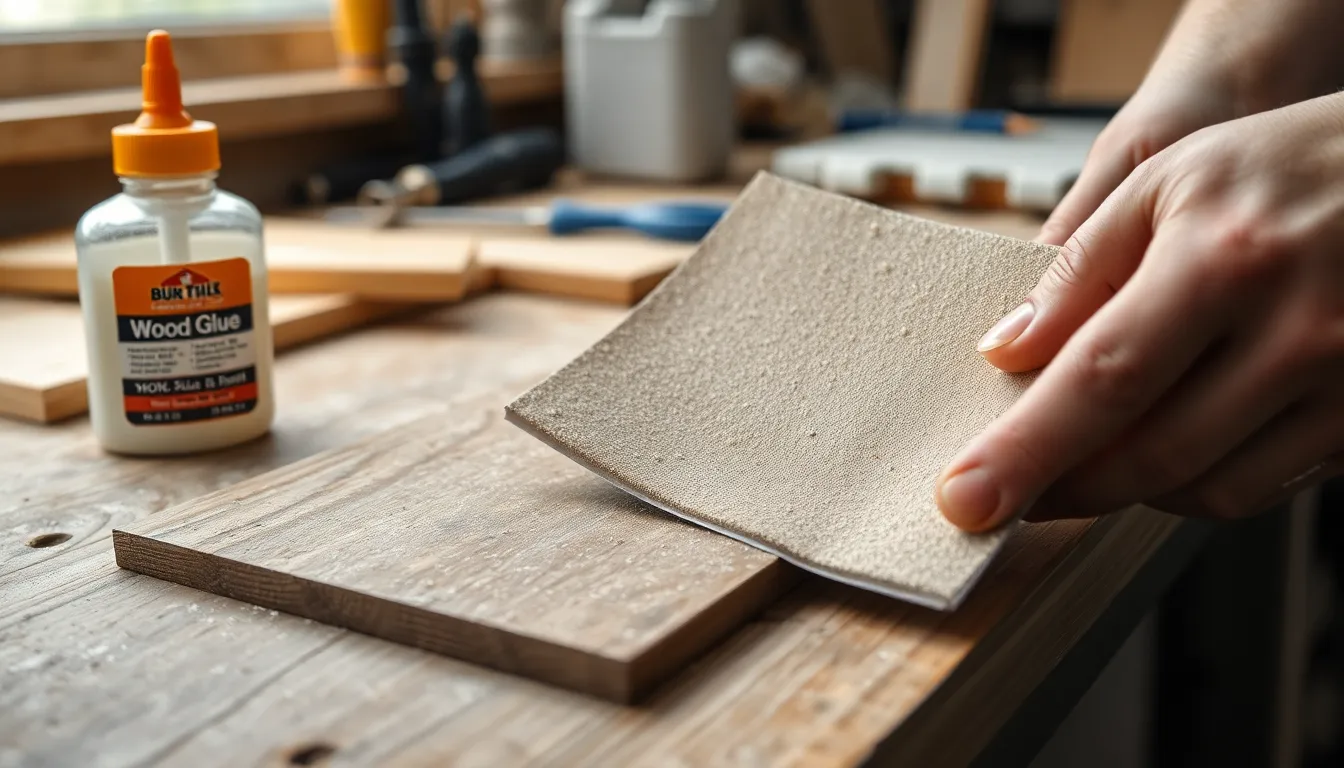
Though standard wood glues like Titebond II and Gorilla Wood Glue aren’t designed for plastic surfaces, exact preparation techniques can enhance their adhesion capabilities. These methods create better conditions for bonding between incompatible materials and may improve results in certain applications.

FAST-CURING WINDSHIELD ADHESIVE — OEM QUALITY BOND — Professional-strength polyurethane formula bonds windshields, rear windows, and side glass with fast-curing adhesive that reaches handling strength in hours, not days. OEM-level performance for auto glass replacement and repair.

ULTIMATE PLASTIC REPAIR SOLUTION: Y'allCanDiy Plastic Glue is your go-to solution for fixing breaks in plastic materials around your home, office, or workshop. Specially formulated for a wide range of plastics including PVC, ABS, acrylic, and more, our high-strength adhesive creates strong bonds that withstand everyday use.

【FLEXIBILITY WITH DUAL OPTIONS】:- GH1200 plastic glue comes with a built-in brush applicator and nozzle. The super glue brush is made for controlled acrylic glue usage. A precise anti-clog nozzle of glue for plastic can be used to dispense more glue or to apply at a large surface area
Surface Preparation Methods
Surface preparation dramatically increases the chances of wood glue adhering to plastic. Roughening plastic surfaces with 80-120 grit sandpaper creates microscopic scratches that provide mechanical anchoring points for the adhesive. This abrasion process transforms smooth, non-porous plastic into a more receptive surface with increased surface area for bonding. Thorough cleaning with isopropyl alcohol removes oils, dust, and contaminants that would otherwise interfere with adhesion. Clean surfaces enable maximum contact between the adhesive and plastic substrate, allowing whatever limited chemical interaction might occur to take place unimpeded.
Creating Mechanical Bonds
Hybrid adhesives offer superior performance when connecting wood to plastic materials. Polyurethane-based products like Alco-Flex and Bostik’s polyurethane adhesives expand slightly during curing, filling micro-gaps between dissimilar surfaces and creating stronger mechanical connections. Cyanoacrylate (super glue) provides another effective option for cross-material bonding, especially for smaller projects requiring quick setting times. Material compatibility requires careful consideration since some adhesives contain solvents that may degrade certain plastics, particularly polystyrene. Specialty products such as MMA 500 structural adhesives chemically bond to traditionally difficult low-surface-energy plastics including polyethylene and polypropylene. Epoxy adhesives deliver strong, durable connections for mixed-material projects but necessitate precise mixing of components for optimal performance.
When Wood Glue Might Work in Limited Applications
Wood glue rarely forms effective bonds with plastic materials due to their inherent differences. Traditional wood adhesives like Titebond and Gorilla Wood Glue are specifically formulated for wooden surfaces, not synthetic materials. Even though this general incompatibility, a few exact scenarios exist where wood glue might provide minimal functionality when working with plastic.

【Longer open time, cleaner setup】 Sets to handling strength in about 30 minutes and fully cures in 24 hours—gives you time to position parts, align joints and clamp for a neater result.

Extended Working Time: SLOW-CURE epoxy provides a generous 30-minute working window, allowing for careful positioning, alignment, and larger project applications.
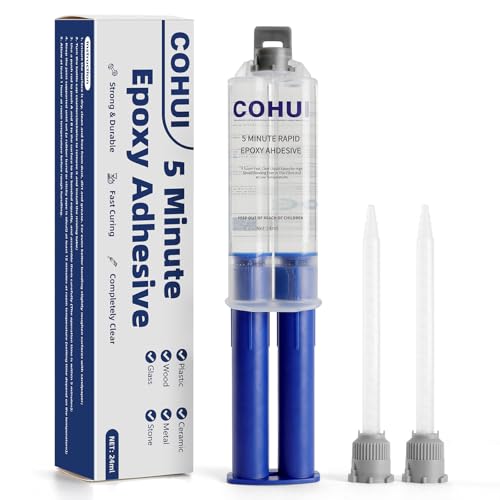
【Easy to Use & Rapid Cure】: Our premium clear 2 part epoxy glue features a user-friendly AB component design—simply install the mixing tube and push the push rod for evenly mixed components A and B, no messy measurements needed! This 5 minute epoxy resin offers the perfect balance of working time and speed: you get just enough time to adjust parts for precise bonding, then it sets firmly in 5 minutes at room temperature, far faster than regular adhesives. Fully cures in 24 hours to deliver unbeatable durability, making it a must-have for DIY enthusiasts and quick repairs.
Temporary Fixes and Non-Load-Bearing Joints
In certain temporary applications, wood glue can create weak bonds with some plastic surfaces. These connections aren’t reliable for long-term use but might suffice for short-term holding purposes when you’re in a pinch. For instance, temporarily positioning plastic components during a larger assembly process occasionally works with wood glue as an interim solution.
Non-structural joints that don’t bear weight or stress may sometimes hold with wood glue applications. Indoor decorative elements combining wood and plastic sometimes stay connected with wood glue for display purposes only. Remember that any connection made between wood and plastic using traditional wood glue lacks durability and will likely fail when subjected to movement, temperature changes, or minimal force.
For any meaningful or lasting bond between wood and plastic materials, specialized adhesives like polyurethane adhesives or cyanoacrylate glues provide significantly better results. These purpose-designed products address the unique challenges of bonding to plastic’s non-porous surface and low surface energy properties that wood glues simply can’t overcome in most practical applications.
Conclusion
Our investigation reveals that wood glue simply isn’t designed for plastic bonding. The non-porous nature of plastic prevents proper adhesion that wood glue needs to create strong bonds. For successful plastic connections you’ll need specialized adhesives like polyurethane products MMA 500 or two-part epoxy systems.
While surface preparation techniques can slightly improve wood glue’s performance on plastic it won’t deliver reliable long-term results. Wood glue might work for temporary positioning or non-load-bearing decorative elements but these connections will likely fail under stress.
For any meaningful wood-to-plastic bonding project we recommend investing in adhesives specifically formulated for plastic surfaces. The right adhesive choice will save you time frustration and ensure your projects maintain structural integrity for years to come.

Books by Hand acid-free adhesive has excellent lay-flat properties and dries clear

Use indoors or outdoors: Give your indoor or outdoor projects a Gorilla Tough bond with waterproof Ultimate Gorilla Wood Glue (passes ANSI/HPVA Type I), our most durable wood glue

PH-Neutral PVA Adhesive: PVA formulation and neutral design is paper safe and ideal for bookbinding, book repair, framing, collage, papercrafts and crafts. PVA adhesive provides excellent bond strength and leveling. Adheres to most porous surfaces and dries clear.
Frequently Asked Questions

【Wide Application】Suitable for all kinds of pipe, rubber, silicone, glass, Plastic, metal,jade etc. Ideal for bonding between the same material or between dissimilar materials. This glue is transparent and colorless and very durable.

Super Glue for plastic extremely strong, liquid, waterproof, clear & quick-drying 25g adhesive for heavy duty bonding of synthetic materials.

MADE FOR PLASTIC REPAIRS AND ASSEMBLY: This plastic glue is designed for bonding and repairing rigid plastic parts, making it ideal for 3D printed pieces, model cars, miniatures, crafts, and everyday household plastic items that need a strong, clean repair
Can wood glue bond plastic to other materials?
Generally, wood glue is not effective for bonding plastic to other materials. Wood glue is specifically formulated to penetrate the porous fibers of wood, while plastic surfaces are smooth and non-absorbent. The chemical composition of wood glue is optimized for organic materials, making it incompatible with synthetic plastics. For reliable plastic bonding, specialized adhesives like polyurethane glues or plastic bonding agents are recommended.
What types of wood glue are available?
Common types of wood glue include PVA (polyvinyl acetate) glue, aliphatic resin glue, hide glue, polyurethane wood glue, and epoxy-based adhesives. Each type has distinct properties and applications. PVA glue is the most common household wood glue, while aliphatic resin offers water resistance. Hide glue is traditional and reversible, polyurethane provides waterproof bonds, and epoxy-based adhesives offer exceptional strength for various materials.
Why doesn’t wood glue work on plastic?
Wood glue doesn’t work on plastic due to fundamental material differences. Plastic surfaces are non-porous and prevent adhesive penetration, unlike wood’s absorbent nature. Additionally, wood glue’s chemical composition is specifically designed for organic materials and lacks the properties needed to create chemical bonds with synthetic plastics. The smooth surface and low surface energy of plastics also contribute to poor adhesion.
What adhesives work best for plastic?
Specialized plastic adhesives provide the best results. Polyurethane adhesives like Alco-Flex offer exceptional bonding capability and flexibility. MMA 500 Adhesive works well with low-energy plastics like polypropylene. Two-part epoxy adhesives create strong, durable connections. Cyanoacrylates (super glues) set quickly and bond well to many plastics. Each plastic type may require a specific adhesive for optimal results.
Can surface preparation improve adhesion to plastic?
Yes, proper surface preparation significantly improves adhesion to plastic. Roughening the plastic surface with fine-grit sandpaper (220-320 grit) creates microscopic grooves that increase mechanical grip. Thoroughly cleaning with isopropyl alcohol removes oils, fingerprints, and contaminants. Some plastics benefit from chemical primers or plasma treatment to increase surface energy. These preparation techniques can enhance bonding even when using less-than-ideal adhesives.
Are there situations where wood glue might work on plastic?
Wood glue might work for temporary fixes or non-load-bearing applications with plastic. It can be used to temporarily position plastic components during assembly or for lightweight decorative elements. However, these connections lack durability and will likely fail under stress or over time. For any meaningful or lasting bond between wood and plastic, specialized adhesives designed for plastic bonding are essential.
What are hybrid adhesives for wood-to-plastic bonding?
Hybrid adhesives combine properties of multiple adhesive types to improve performance when bonding dissimilar materials. Polyurethane-based products like Gorilla Glue create stronger bonds between wood and plastic than traditional wood glue. Cyanoacrylate adhesives with additives work well for quick repairs. Some modern construction adhesives contain multiple polymers specifically designed to bridge the gap between organic and synthetic materials.
How should different plastic types be bonded?
Different plastic types require specific adhesives for optimal bonding. PVC bonds best with PVC solvent cement. ABS plastic requires ABS solvent products or specific adhesives. Acrylic materials bond well with acrylic solvent adhesives or cyanoacrylate glue. Polyethylene and polypropylene typically need specialized adhesives with primers due to their low surface energy. Always identify the plastic type before selecting an adhesive.