What’s the best wood for a table top that’s both durable and stylish? Choosing the right wood can feel overwhelming with so many options, but it’s key to balancing aesthetics and functionality. Whether you’re after timeless elegance or rugged strength, understanding wood types will help you make the perfect choice. Keep reading to discover what suits your needs best.
Factors To Consider When Choosing Wood For A Table Top
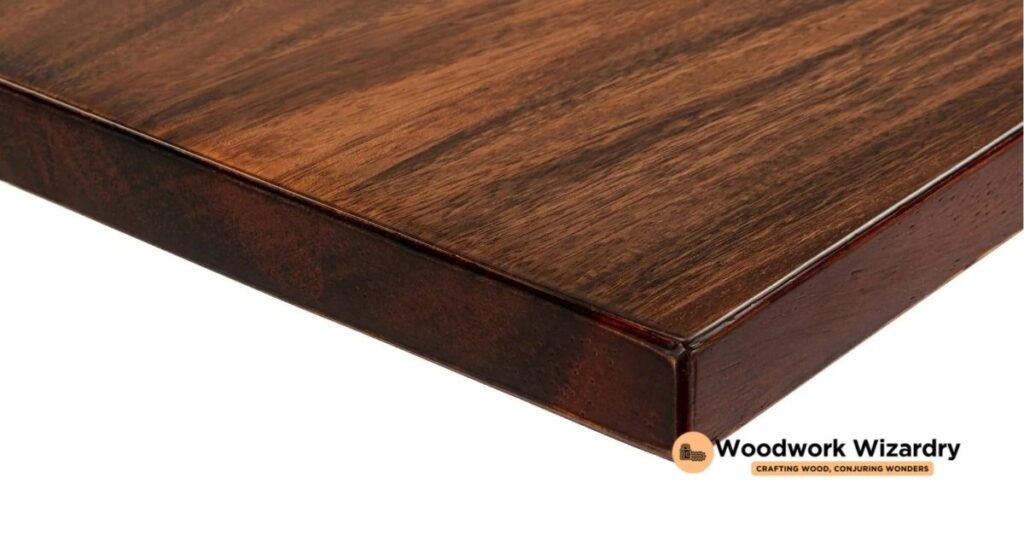
Choosing the right wood for a table top involves balancing practical needs and personal preference. Each factor impacts the table’s performance and overall appeal.
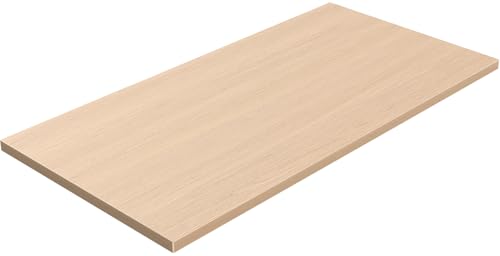
1-inch Thickened Wood Board: Made from premium OBS wood, our table top comfortably holds up to 400 lbs. Whether it's for tools, supplies, or your latest project, more stable and sturdy than which is assembled with a few ones
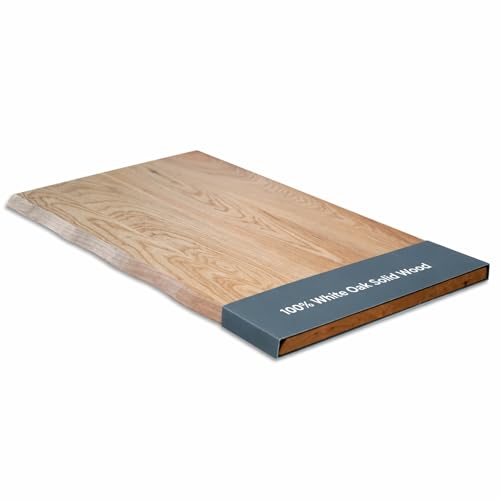
Solid Wood Construction: Crafted from 100% solid European White Oak, this tabletop combines lasting durability with a premium finish-designed for long-term beauty and convenience
1-inch Thickened Wood Board: Made from premium OBS wood, our table top comfortably holds up to 400 lbs. Whether it's for tools, supplies, or your latest project, more stable and sturdy than which is assembled with a few ones
Durability And Strength
Focus on durability when selecting wood for a frequently used table. Hardwoods like oak, maple, and walnut offer excellent strength, with a density that resists wear and scratches. Softer woods, such as pine, provide less durability and may dent easily under heavy use. Consider hardwood species if longevity is a priority.
Aesthetic Appeal
The wood’s appearance defines your table’s style. Rich grains, unique patterns, and natural tones in woods like cherry or walnut can enhance visual appeal. Lighter woods, such as ash or maple, create a clean, modern look. Matching the wood’s finish to your décor ensures uniformity in design.
Budget And Availability
Evaluate costs and availability before deciding. Exotic woods like mahogany or teak, while visually stunning, often have higher price points and may not be locally sourced. Common options like oak and pine usually cost less and are easier to find in most regions. Factor in both material and transportation expenses.
Maintenance And Longevity
Some woods require more care to maintain their appearance. Hardwoods with natural resistance to stains and scratches, like hickory, simplify upkeep. Others, including softer woods, might need regular refinishing to prevent damage. Balance your willingness to maintain the table with its expected lifespan.
Types Of Wood For Table Tops
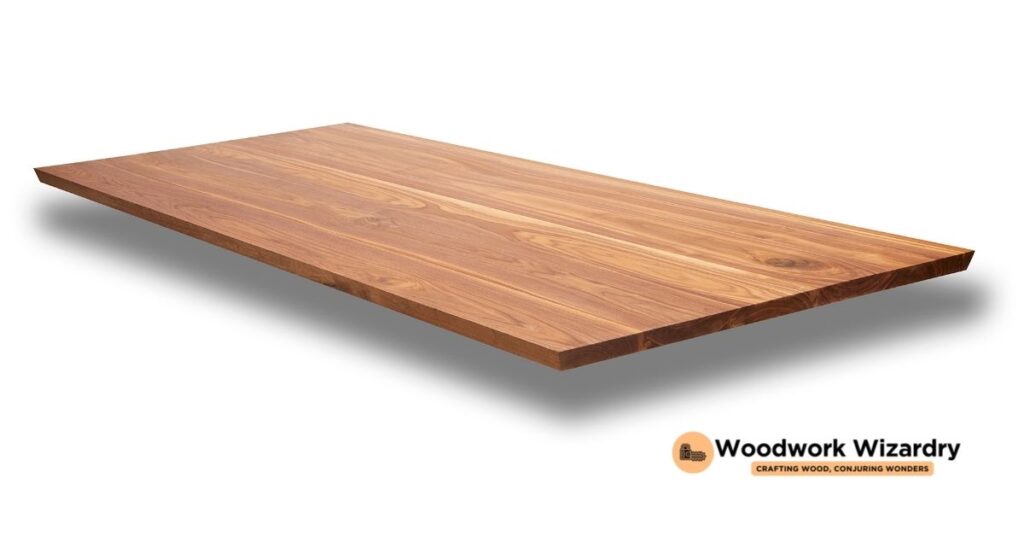
Different wood types offer unique qualities for table tops, balancing durability, aesthetics, and maintenance. Your choice should reflect your exact needs for style, function, and budget.


Tabletop is constructed of a 1-inch thick thermal fused melamine laminate finished with a black Bumper Edge edge banding

【NATURAL SOLID MAPLE WOOD】This 12x16 picture frame is made from 100% high-quality USA-Sourced Maple wood. Crafted with precision and care, it features a clear vanish finish that allows the inherent light and dark variations of the walnut to show through. A true embodiment of natural walnut, each frame is as unique as the majestic tree from which it originates—bearing its own distinct texture and color.
Hardwood Options
Hardwood provides excellent durability and long-term resilience. Oak is a popular choice for its strength and pronounced grain pattern. Maple has a smooth texture and is resistant to wear, making it ideal for tables that see heavy use. Walnut features a rich, dark color and fine grain, adding a sense of elegance. Cherry showcases warm tones that deepen over time, offering a classic look for sophisticated designs. Hardwoods handle scratches and dents better, making them suitable for high-traffic areas.
Softwood Options
Softwood can be practical when appearance and cost are primary concerns. Pine is widely available, with a lighter tone and visible knots that suit rustic or farmhouse styles. Cedar stands out for its natural resistance to decay, making it a better option for occasionally used table tops. Fir has a straight grain and even texture, fitting well in minimalist designs. Although less durable than hardwoods, softwoods can still work well when frequent heavy use isn’t a concern.
Engineered Wood Alternatives
Engineered wood offers cost-effective and versatile answers for table tops. Plywood consists of layered sheets, providing stability and resistance to warping. Medium-density fiberboard (MDF) delivers a smooth, affordable option that works well with painted finishes. Veneer combines natural wood aesthetics with a thin, bonded surface on durable cores, offering a balance between beauty and affordability. These materials are typically lower-maintenance, but they’re less capable of withstanding heavy wear or exposure to moisture.
Pros And Cons Of Popular Wood Types
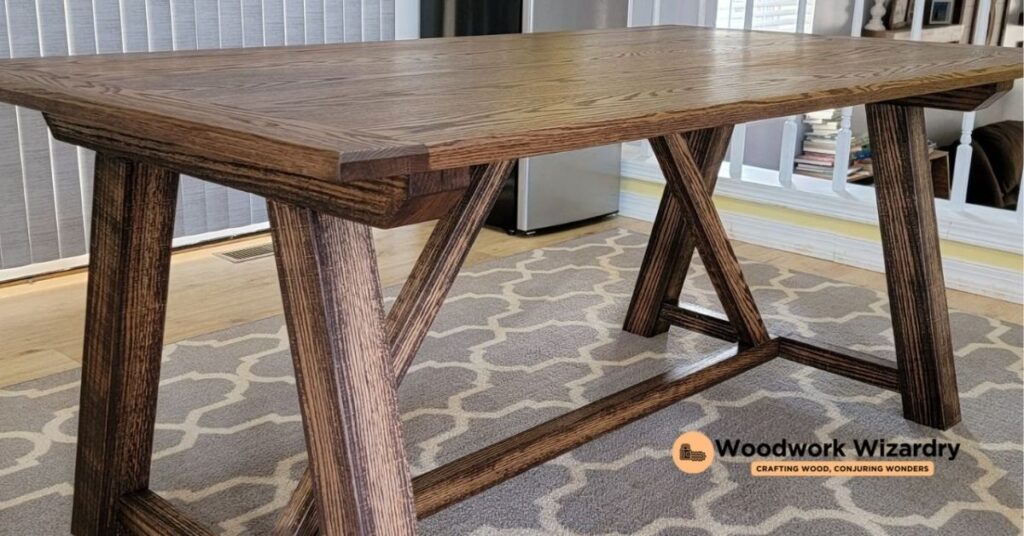
Different wood types offer unique characteristics that influence your table’s durability, appearance, and maintenance needs. Understanding these can help you choose the best option for your requirements.

【Genuine Walnut Wood – Timeless Beauty and Durability】- Meticulously handcrafted from premium natural walnut, each frame highlights the wood’s unique grain patterns and rich, warm tones. The artisanal process preserves the authentic feel and character of the walnut, making every frame a one-of-a-kind piece that adds elegance and sophistication to any home, office, or gallery wall.
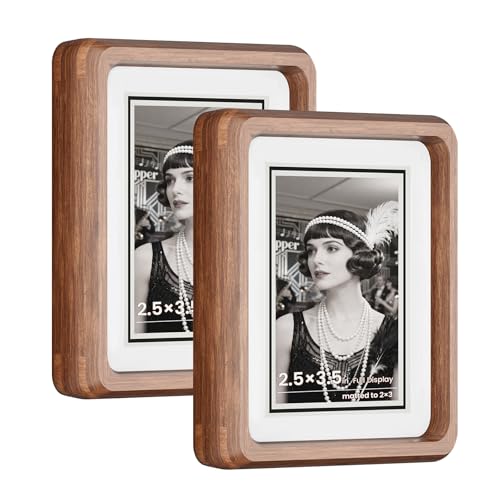
【Premium Natural Walnut Wood】 Handcrafted from solid walnut wood, each frame features a rich, unique wood grain for a touch of natural elegance. Durable construction ensures lasting beauty for your cherished memories.
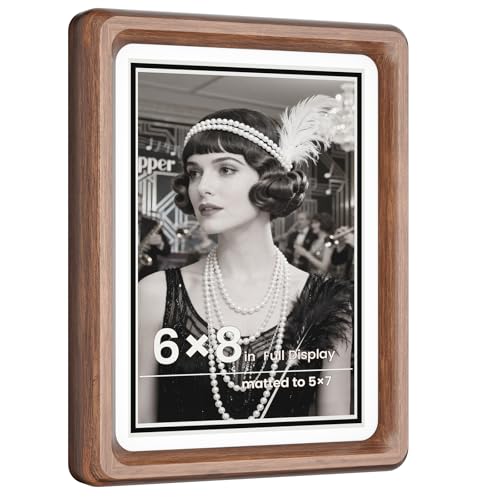
【Genuine Walnut Wood – Timeless Beauty and Durability】- Meticulously handcrafted from premium natural walnut, each frame highlights the wood’s unique grain patterns and rich, warm tones. The artisanal process preserves the authentic feel and character of the walnut, making every frame a one-of-a-kind piece that adds elegance and sophistication to any home, office, or gallery wall.
Oak
Oak is highly durable, making it perfect for heavy-use tables. Its pronounced grain provides a classic, rustic aesthetic. Red and white oak varieties both resist dents and scratches, though white oak is slightly more moisture-resistant. Even though its strength, oak can be heavy, which may be inconvenient for frequent relocation. Its cost can also be higher compared to some softer woods.
Maple
Maple offers a smooth, light-colored finish that suits modern and minimalist styles. Its fine grain and uniform texture create a clean appearance. You might prefer maple for its high density and resistance to wear, which supports daily use. But, maple can be less forgiving with water stains, and its light surface may show scratches more easily. Prices are generally mid-range, providing an economical balance between durability and aesthetics.
Walnut
Walnut is valued for its rich, dark tones and luxurious finish, fitting well in formal or upscale settings. It resists warping, making it a long-lasting choice. Characterized by its smooth grain patterns, walnut adds elegance to any table design. Keep in mind that walnut tends to be more expensive and slightly softer than other hardwoods like oak.
Pine
Pine is affordable and readily available, making it a great option for budget-conscious buyers. Its light color and visible knots deliver a rustic or farmhouse charm. Softer than hardwoods, pine is more prone to dents and scratches, which might detract from durability over time. It’s also lightweight, which may suit designs requiring easy mobility.
Cherry
Cherry wood showcases a warm, reddish-brown tone that deepens with age, creating a timeless look. Its smooth grain and fine texture make it visually appealing and easy to polish. Though moderately durable, cherry is softer than other hardwoods, so it may show signs of wear in high-traffic areas. With its premium cost, you might find cherry more suitable for decorative or less intensive applications.
Tips For Selecting The Best Wood For Your Needs
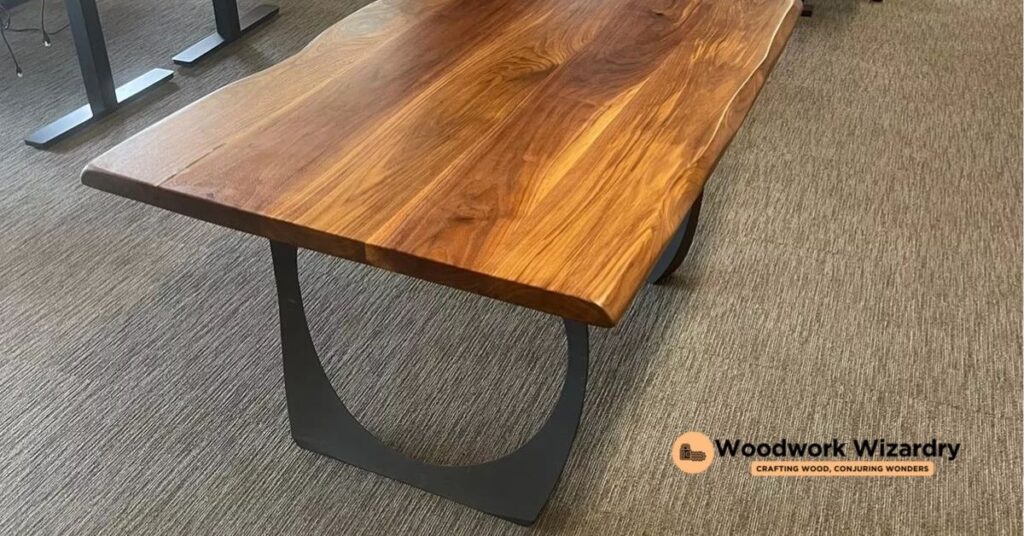
Choosing the ideal wood for your table top depends on carefully evaluating style, functionality, and sustainability. Focus on your unique requirements to ensure the wood enhances both practicality and aesthetics.

【Authentic Wood Grain】This wood-grain wallpaper captures the natural beauty of North American ash wood, with clearly defined grains and a dedicated matte finish. Warm to the touch and free from any cheap, plastic feel, this wallpaper visually mimics real wood, restoring old furniture to its natural look and adding a warm, timeless touch to your space.

USA-SOURCED CHERRY WOOD: Picture Frame is made from rough sawn lumber, each frame is uniquely hand-milled and then highlighted and protected with clear vanish, a non-toxic, natural, and durable furniture-quality finish, showcasing the wood's stunning natural hues, because the excellent texture, long-lived durable characteristics, becomes the one of the most popular woods in home decor, and due to the grain pattern, suitable various kinds of decoration style.

𝐏𝐫𝐞𝐦𝐢𝐮𝐦 𝐀𝐜𝐚𝐜𝐢𝐚 𝐖𝐨𝐨𝐝 𝐰𝐢𝐭𝐡 𝐂𝐡𝐞𝐯𝐫𝐨𝐧 𝐏𝐚𝐭𝐭𝐞𝐫𝐧: Made from solid acacia hardwood, this 1-inch thick tabletop features a beautiful chevron design that adds texture, character, and a high-end look to any space.
Matching Wood To Your Style
Start by identifying the ambiance you want in your space. Dark-toned woods like walnut or cherry create an elegant and cozy feel, making them ideal for classic or traditional designs. For brighter, contemporary looks, consider maple or ash, which offer light hues and clean grains. Unique grain patterns like those found in oak can complement rustic or industrial interiors. Assessing the dominant colors and textures in your space helps align the table’s appearance with your style preferences.
Prioritizing Functionality Over Looks
Select woods with durability and strength when the table top’s function demands resilience. Hardwoods, including oak and walnut, withstand daily wear and are suitable for heavy-use tables like dining or workstations. If your priority is affordability or lighter applications, pine or cedar could perform well but may wear down over time. When engineered wood like MDF or veneer offers sufficient strength for less-intensive use, it can balance cost and practicality. Always account for the table’s purpose before emphasizing appearance.
Considering Sustainability
Choose sustainable woods to lower your environmental impact. Opt for domestically sourced options like oak or maple for eco-friendlier choices that minimize transport emissions. Certified woods labeled by organizations such as the Forest Stewardship Council (FSC) guarantee responsible harvesting practices. Reclaimed wood, often found in oak or fir, provides a durable, environmentally conscious alternative. Prioritizing sustainable sources ensures environmental responsibility while embracing quality.
Conclusion
Choosing the best wood for your table top comes down to finding the right balance between durability, style, and practicality. By understanding the unique qualities of different wood types and considering factors like maintenance, budget, and sustainability, you can select a material that perfectly suits your needs.
Whether you’re drawn to the timeless charm of hardwoods, the affordability of softwoods, or the versatility of engineered options, there’s a choice for every preference and purpose. Take the time to evaluate your priorities, and you’ll create a table top that enhances both your space and your lifestyle.

· Dimensions: 5.9×5.9×0.7inch, proper size for you to decorate, won't take up too much space.
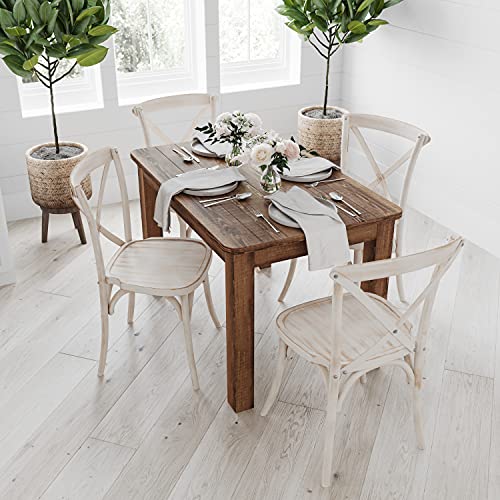
Rustic dining table creates a farmhouse atmosphere in your dining room

Package Information: you will get 4 pieces of Summer Christmas table decorations, with 4 sizes, can be applied for decorations; Sufficient quantity will meet your using needs, and you can share them with your family