
Imagine transforming a simple idea into a stunning piece of handcrafted furniture or decor. It all starts with a solid woodworking plan—a blueprint that brings your vision to life. Without a clear plan, projects can quickly spiral into frustration, wasted materials, and disappointing results. But with the right approach, you can design plans that set you up for success every time.
Creating woodworking plans isn’t just for professionals; it’s a skill you can master with a bit of guidance. Whether you’re building a coffee table or a custom shelf, the process becomes smoother and more rewarding when you know how to map out every detail. Ready to turn your woodworking dreams into reality? Let’s jump into the essentials of crafting plans that work for you.
Understanding The Basics Of Woodworking Plans

A good woodworking plan lays the foundation for any successful project. You minimize errors and maximize efficiency by clearly defining each step before starting.

Adirondack Chair Templates & Plan: This classic tall Adirondack chair plans includes pre-cut full-size templates in your choice of durable 1/4'' MDF or budget-friendly cardboard. With wide arms to perch your drink on, and a contoured seat and back that conforms to your body, this design is the pinnacle of relaxation.


Optimal Spray Performance: Keep your HVLP paint gun cleaning kit performing at its best with routine cleaning and lubrication that helps prevent clogs, dried paint buildup, and inconsistent spray patterns for smoother, more reliable paint application
What Are Woodworking Plans?
Woodworking plans are detailed guides for creating wooden projects like tables, cabinets, or shelves. They include measurements, material lists, tool requirements, and assembly instructions. Accurate diagrams and step-by-step processes ensure your project turns out as intended. For example, a plan for a coffee table might specify wood types, dimensions, and hardware needed.
Blueprints in woodworking involve sketches or drawings that provide clarity on dimensions and design. These visual aids remove guesswork during cutting or assembly. Effective plans focus on translating your ideas into actionable steps, keeping your work organized.
Importance Of Detailed Planning
Detailed planning ensures you use resources effectively and avoid costly mistakes. When you plan thoroughly, every material, tool, and step has a purpose, reducing excess waste. For instance, knowing exact lumber sizes prevents over-purchasing.
Clarity in planning helps you avoid errors in measurements or construction. With detailed instructions, you know the order of tasks and dependencies between them. This structured approach makes even complex designs manageable. Consistent planning across projects develops your skills and increases success rates.
Essential Tools And Materials For Creating Plans

Creating woodworking plans requires exact tools and materials to ensure precision and ease. These resources help bring your ideas to life, whether you’re sketching by hand or developing digital designs.

Professional All Metal Compass/Divider For Wood Work, Carpentry, Metal Work, Leather Work, Math, Etc.

Professional All Metal Compass/Divider For Woodwork, Carpentry, Metal Work, Leather Work, Math, Etc.

Tools Needed For Sketching And Drawing
Start with essential drawing tools like pencils, rulers, and erasers. Use mechanical pencils for clean, sharp lines and avoid frequent sharpening. Include graph paper to maintain consistent scales and proportions in your sketches.
Add a T-square and a protractor for accurate angles and straight lines. Incorporate a compass to draft circles and curves required in custom designs. Keep fine-tip markers for bold outlines or highlighting key details.
Consider a small drawing board to create stable, portable workspace. If you’re using complex templates, stencils designed for woodworking outlines can save time while improving precision.
Software Options For Digital Plans
Use computer-aided design software to create precise woodworking plans. SketchUp is a beginner-friendly tool for 3D modeling, offering both free and paid options. Fusion 360 provides advanced features, ideal for intricate designs requiring detailed measurements.
Explore AutoCAD for industry-standard drafting tools when aiming for professional-grade plans. TinkerCAD is another option, focusing on simplicity for entry-level users experimenting with digital layouts.
Choose software that supports exporting files in formats compatible with CNC machines if automation is part of your woodworking process. Ensure access to tutorials or user guides for the software you select to streamline your learning curve.
Step-By-Step Guide On How To Make Woodworking Plans
Learning to make woodworking plans involves breaking down the process into manageable steps. Each phase ensures your project starts with clarity and purpose, reducing errors and increasing efficiency.
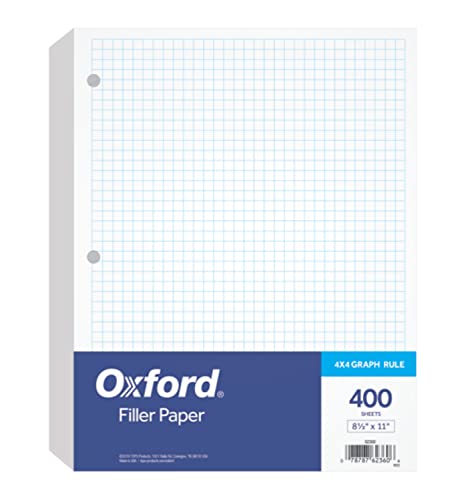
Start the school year with mega-packs of Oxford loose-leaffiller paper that give you 400 double-sided, graph ruled sheets

IDEAL FOR BLUEPRINT DRAWINGS - Our 11x17 graph paper pad is perfect for blueprint drawings, engineering drawings, drafting, and planning. The quadrille (4 square/inch) lines are designed to meet the needs of professionals and hobbyists alike.

Defining Your Project Goals
Start by identifying the purpose of your project. Consider what the finished piece, like a chair or bookshelf, should accomplish in terms of form and function. Determine the exact style, dimensions, and features you want. Focus on how the item fits into its intended space and complements existing decor. Clear goals help streamline the design and material selection process.
Choosing The Right Measurements And Materials
Accurate measurements and suitable materials are critical for any plan. Use a tape measure to assess the required size for your project based on its location or usage. Research the best wood type for durability, aesthetic appeal, or budget constraints, such as oak for strength or pine for affordability. Write down your measurements and list needed materials, including any adhesives or hardware like screws and hinges.
Drafting A Rough Sketch
Start sketching a simple outline of your idea using pencil and paper. Focus on the overall shape and main features rather than fine details. Include approximate measurements for basic proportions. Use tools like a ruler or T-square for clean, straight lines. This rough draft serves as the visual foundation before developing a more detailed design.
Creating A Detailed Blueprint
Turn your rough sketch into a comprehensive blueprint with precise details. Add exact dimensions, angles, and assembly instructions to guide the construction process. Use software like SketchUp or AutoCAD if digital accuracy is preferred, or refine your sketch manually with grid paper and specialized tools like a protractor. Ensure your blueprint includes every component and step for building the project successfully.
Tips And Tricks For Effective Planning
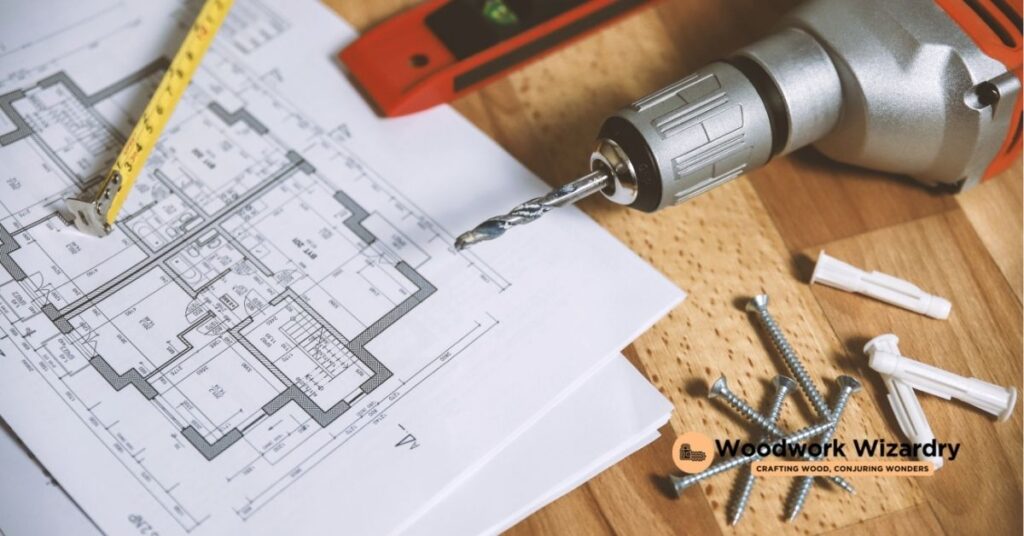
Planning effectively ensures your woodworking projects progress smoothly and deliver the desired results. Techniques and insights can significantly improve your planning skills, saving time and resources.
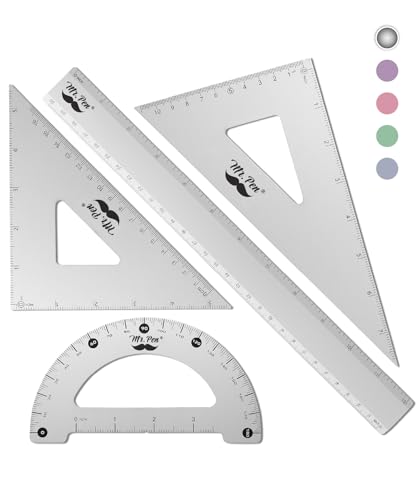
Aluminum Mat Ruler Set For All Levels Designed in the USA.

What you get: a 12-inch T-square, a 180-degree protractor, 2 triangles, and a French curve; Suitable for your drafting and drawing needs

Multi-Function Measurement: This aluminum sliding T-square combines a ruler and protractor in one tool, delivering precise measurements up to 18 inches (48 cm) in length and a wide range of angles. It's an efficient tool for tasks like woodworking, engineering, and architectural design, whether you're drawing straight lines or calculating angles with ease
How To Optimize Your Plans For Efficiency
Start with detailed measurements to avoid wasting material or time. Use a tape measure and ensure every dimension is accounted for in your blueprint. Create a material list that factors in project size, type of wood, and any finishes required. This helps determine costs and prevents delays from missing supplies.
Choose tools that simplify your tasks, whether analog like rulers and protractors or digital such as design software. Programs like SketchUp and Fusion 360 streamline planning while providing 3D visuals of your project. Make adjustments digitally before cutting materials.
Arrange project steps in logical order to maintain workflow. Identify which components to cut, assemble, or finish first. When steps are clear and systematic, you can efficiently allocate effort across tasks. Focus on areas like joints or curves, where precision matters most, and test-fit components where possible.
Common Mistakes To Avoid When Creating Woodworking Plans
Avoid neglecting accurate measurements or proportional scales. Overlooking these details can result in misaligned components or excessive material usage. Always double-check your dimensions before cutting or purchasing supplies.
Don’t underestimate the importance of clear assembly instructions. Vague diagrams or missing steps lead to confusion during construction. Annotate blueprints with precise notes and diagrams to prevent misinterpretation.
Skipping a materials checklist risks delays or additional trips to hardware stores. Ensure every required item is on your list, including nails, glue, and finishes. Purposeful planning avoids oversights that could derail progress.
Overcomplicating designs with excessive details can overwhelm beginners or make execution more challenging than necessary. Start with simpler projects to refine your skills and gradually take on complex designs. Each mistake you avoid creates a smoother, more enjoyable woodworking experience.
Benefits Of Well-Designed Woodworking Plans

Thoughtful woodworking plans help turn your creative ideas into successful and efficient projects. These plans ensure better accuracy, save time, and make the most of your resources.

The wooden growth chart for wall is made of natural wood, keeping the original wood grain and color, printed with safe ink, smooth surface and harmless to human body, it is a beautiful and practical decoration to hang in children's room.
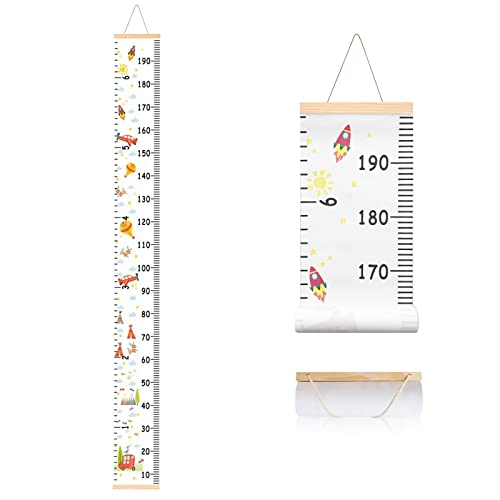
Size - 79'' x 7.9''/ 200cm x 20cm (L x W). Brief color and style with 2 scales, convenient for you to see the detail clearly according to your measurement habits. Also, you can use a pen to mark on the chart everytime you measure height.
Ensuring Project Accuracy And Success
Well-structured plans guide you through every step, minimizing errors in measurements and assembly. Each detail, from precise dimensions to material requirements, increases project reliability. Clear visualizations of your design assist in identifying potential issues before beginning construction. This approach ensures your finished project matches your initial vision. Projects with clear guidance experience fewer setbacks, boosting your confidence and satisfaction.
Saving Time And Reducing Waste
Detailed plans streamline the process, helping you make fewer mistakes and work faster. When materials are pre-determined and measured, there’s less downtime searching or improvising. Accurate blueprints prevent unnecessary cuts, preserving valuable wood and reducing excess scraps. Logical sequencing in your plan keeps your workflow organized, eliminating wasted effort on repeated steps. This efficient use of time and resources leads to more productive woodworking sessions.
Conclusion
Creating woodworking plans is a rewarding skill that transforms your ideas into tangible, well-crafted projects. By investing time in detailed planning and using the right tools, you set yourself up for success while avoiding unnecessary mistakes.
Whether you’re sketching by hand or using digital software, a clear plan streamlines your process, saves resources, and enhances your craftsmanship. Embrace the planning stage as a vital part of woodworking, and you’ll find each project more efficient, enjoyable, and satisfying.


COMPLETE PROJECT PLAN: Comprehensive Adirondack Chair building guide includes detailed instruction booklet with step-by-step directions and full-size paper templates for accurate cuts on a 36" x 48" roll of paper (folded for shipping)