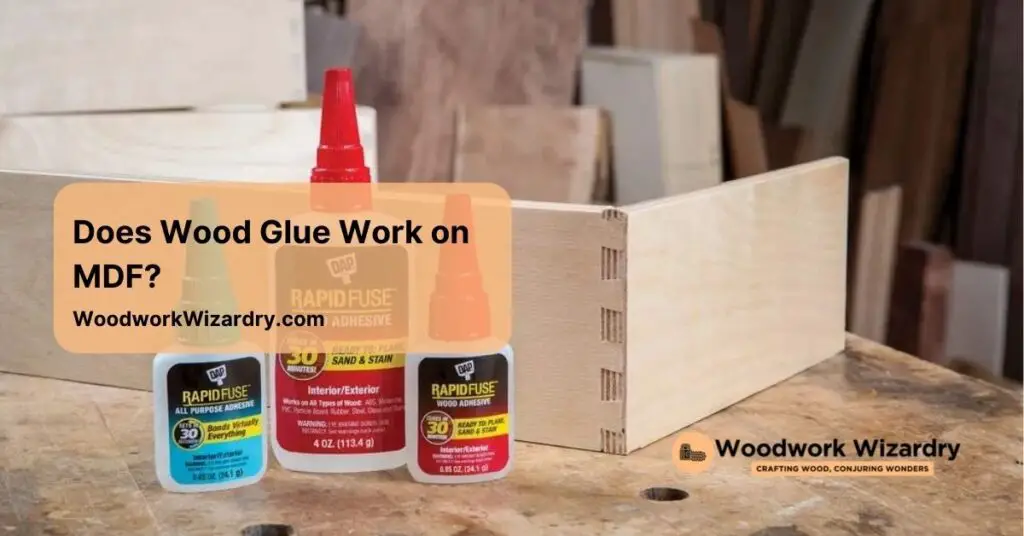
When working with MDF (medium-density fiberboard), you know how crucial it is to choose the right adhesive. The wrong glue can lead to weak bonds, wasted effort, and frustrating results. But does wood glue actually work on MDF? If you’re tackling a project and wondering whether wood glue is up to the task, you’re not alone.
What Is MDF and Its Common Uses?
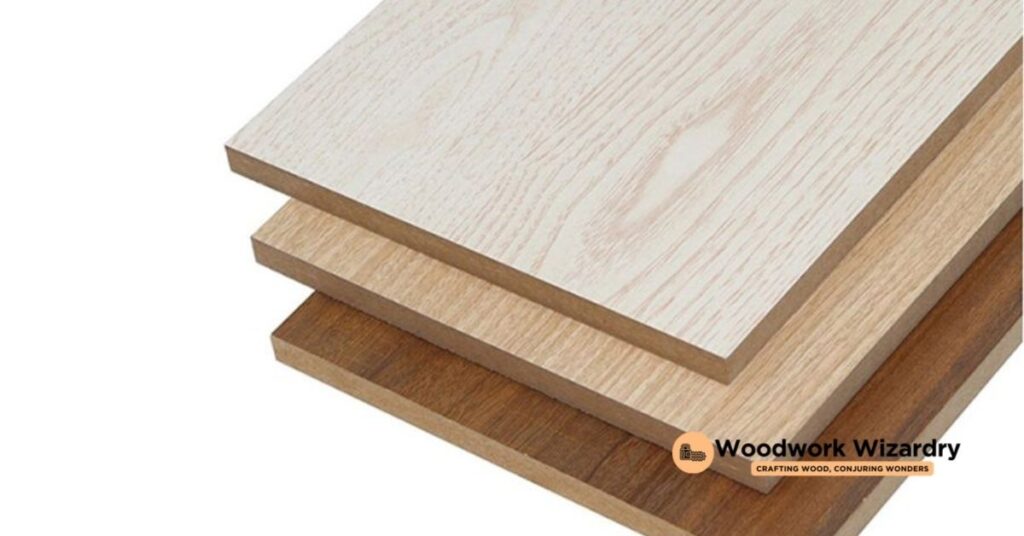
Medium density fiberboard, commonly referred to as MDF, is an engineered wood product made from wood fibers combined with resin and pressed under heat. It features a smooth, uniform surface, making it highly versatile. Unlike natural wood, MDF has no knots or grain patterns, ensuring consistent quality.
Manufacturers often use MDF in furniture production, including shelves, cabinets, and drawers. This material is also popular for interior projects like wall paneling, moldings, and decorative trims. Its workability makes MDF ideal for intricate designs and custom pieces.
You frequently find MDF in speaker boxes and other acoustic enclosures due to its density and sound-insulating properties. Homebuilders and DIYers alike rely on MDF for budget-friendly options in various construction and create projects.
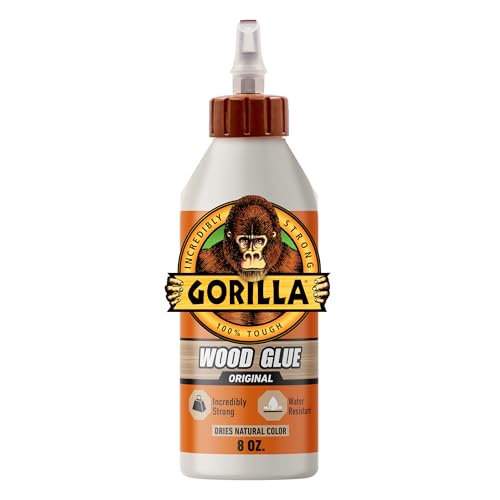
Complete Projects Fast: Requires only 20-30 minutes of clamp time; fully cured in 24 hours. Quickly creates an incredibly strong bond for wood projects.

Economical Contact Cement Alternative: High-quality, cost-effective glue designed for large-scale bonding of veneers to flat surfaces without the hazards of traditional contact cement.

Provide a much stronger bond than the wood itself
Understanding Wood Glue
Wood glue serves as a reliable adhesive for many woodworking projects, including applications involving MDF. It’s vital to understand its variations and functionality before determining its suitability for MDF.

JB WOODWELD: Is a fast setting two-part epoxy system formulated for wood bonding and repairs. It provides a lasting permanent bond that is stronger than the wood!
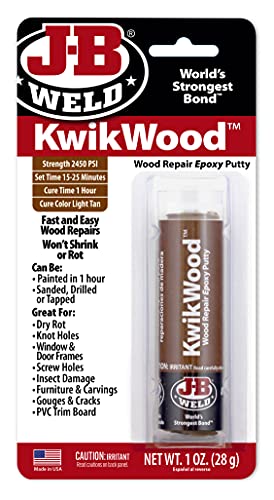
J-B WELD KWIKWOOD: A hand mixable two part epoxy putty stick that is formulated to repair and rebuild wood. J-B Weld KwikWood is designed for all wood household DIY repairs!

NO-DRIP GEL FOR WOOD JOINTS & EDGES: Thick formula stays in place on vertical and angled wood surfaces — fills small gaps in loose joints, split edges, and uneven grain. Bonds without running or dripping, even on porous end-grain where liquid glues get absorbed instantly.
Types of Wood Glue
Several types of wood glue are available, each with distinct properties. PVA glue, also called white or yellow glue, is widely used due to its affordability and ease of application. Epoxy adhesives, composed of resin and hardener, provide enhanced strength and water resistance. Polyurethane glue, known for its rugged bond, offers versatility for outdoor and indoor tasks. Hide glue, derived from animal collagen, is preferred in antique furniture restoration. Finally, cyanoacrylate, or super glue, is effective for small, quick fixes rather than large bonding surfaces.
How Wood Glue Works
Wood glue creates a strong bond by penetrating wood fibers. Adhesion happens as the glue hardens, forming a sturdy connection between surfaces. In porous materials like natural wood, glue absorption strengthens the joint further. Although MDF absorbs less due to its engineered composition, specialized techniques, such as pre-conditioning edges with a diluted glue mixture, enhance the bond.
Does Wood Glue Work on MDF?
Wood glue effectively bonds medium-density fiberboard (MDF) when applied correctly and under the right conditions. Its ability to create strong, durable joints makes it a reliable choice for various MDF projects.

BONDS MOST ANYTHING: Weldbond is a versatile strong glue that bonds to a wide range of materials including wood, ceramic, glass, and tiles. Whether you’re working on DIY crafts or wood repair, this wood glue for crafts provides a secure and long-lasting hold. *Does not bond Metal with Ceramic

Use indoors or outdoors: Give your indoor or outdoor projects a Gorilla Tough bond with waterproof Ultimate Gorilla Wood Glue (passes ANSI/HPVA Type I), our most durable wood glue
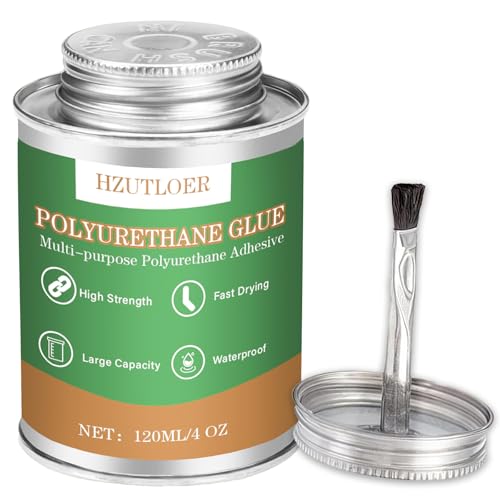
【Perfect Performance】Fast-drying,heat-resistant, water-resistant,instant bonding with exceptional strength for reliable results even in extreme environments
Strength and Durability of the Bond
The adhesive bond between MDF and wood glue often yields a durable connection. The smooth, uniform texture of MDF can limit traditional glue penetration into wood fibers, but wood glue interacts well with the resin-laden composition of MDF. Proper clamping during curing ensures a more robust bond. For projects like furniture construction or decorative paneling, a well-cured joint can support everyday stress and maintain its integrity longer.
Testing indicates that PVA wood glue, commonly used for MDF, resists flexing and shear stress effectively. Polyurethane glue also enhances strength by chemically reacting with moisture in MDF. Evaluating the demands of your project ensures the chosen wood glue provides the necessary strength for long-term use.
Factors Affecting Adhesion
Surface preparation plays a critical role in achieving optimal adhesion. Dust or loose fibers on the MDF surface can hinder the glue’s effectiveness. Sanding the edges or areas to be bonded removes inconsistencies and promotes better adherence.
Humidity and temperature during application directly affect wood glue performance. High moisture levels in MDF can dilute its effect, leading to weaker bonds. Conversely, dry and stable conditions provide the best environment for gluing. Also, using adequate clamping pressure ensures contact across glued surfaces, improving the bond’s overall effectiveness. Adjusting for variable conditions ensures better results in your MDF projects.
Best Practices for Using Wood Glue on MDF
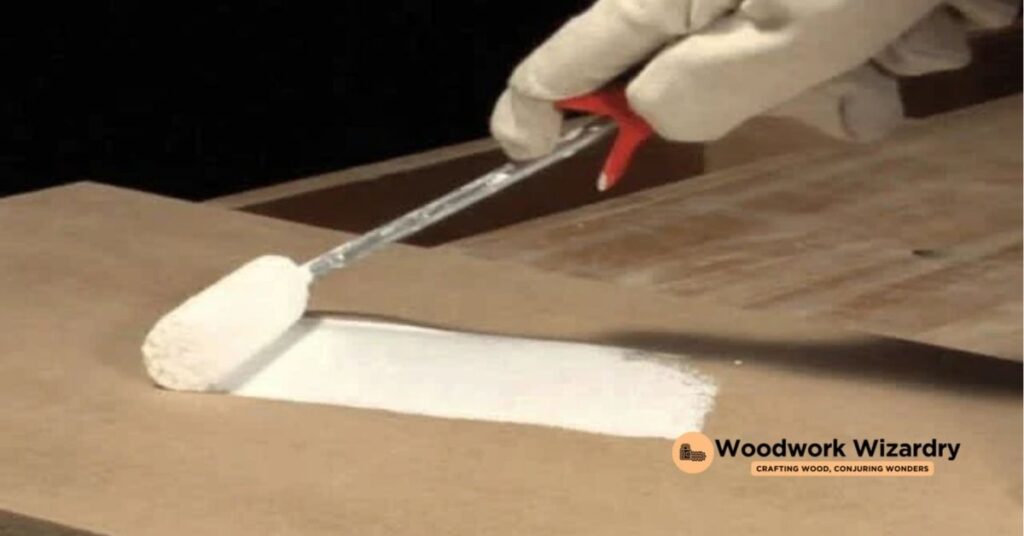
When working with MDF, using the right techniques ensures a strong bond and professional results. Paying attention to surface preparation, glue application, and drying methods guarantees optimal adhesion.
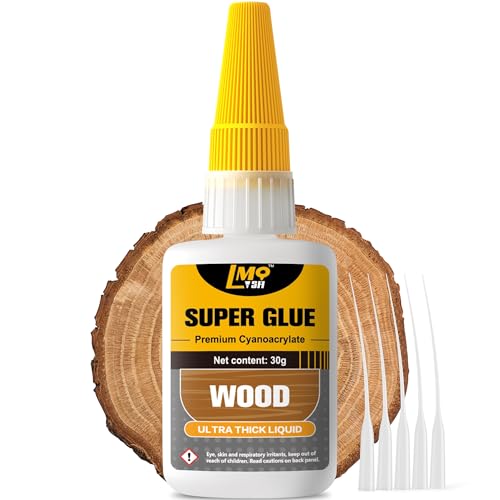
🌲 Seamless Wood Bonding: Designed for wood projects, this wood glue penetrates fine cracks and forms strong bonds between wood, metal, or other materials. Perfect for restoring furniture, repairing cracks, and achieving seamless finishes with minimal traces.

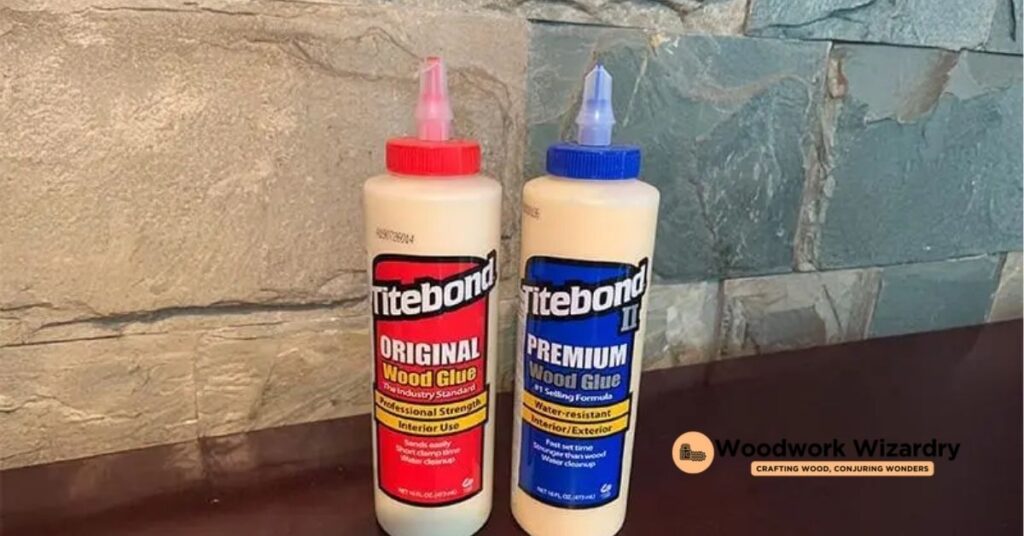
"TITEBOND II" WEATHER PROOF WOOD GLUE

Superior waterproof wood glue is ideal for exterior and interior woodworking! One hour clamp time! Cleans up with water.
Preparing the MDF Surface
Smooth and clean surfaces improve glue adherence significantly. Begin by sanding the MDF edges and flat areas lightly using fine-grit sandpaper (e.g., 120-150 grit). This opens up the surface fibers for better bonding. Wipe away any dust with a damp, lint-free cloth—dust particles weaken the bond and impact durability. Let the MDF dry completely before applying glue, as moisture interferes with adhesive strength.
Applying the Wood Glue Correctly
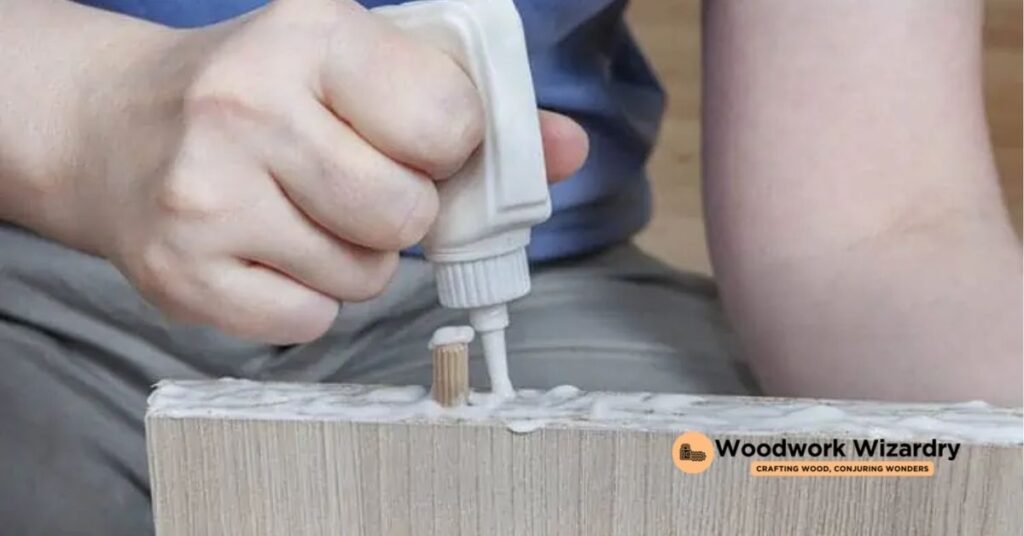
Proper application determines the bond’s longevity. Spread PVA wood glue thinly and evenly over the surface using a brush or roller. Avoid overloading, as excessive glue weakens joints and creates messy outcomes. Focus on edges and joints, where tension on bonds is higher in MDF projects like shelves or cabinets. Polyurethane glue may be used for moisture resistance, but ensure precise application since it expands as it cures.
Clamping and Drying Tips
Effective clamping ensures alignment and bond strength during drying. Use clamps that distribute pressure evenly across the glued surfaces, particularly along joints. For MDF furniture or panels, place protective pads between clamps and surfaces to prevent damage. Allow at least 12-24 hours of curing under consistent pressure for maximum adhesion. Drying should occur in a low-humidity, temperature-controlled environment to ensure stability during the process.
Alternative Adhesives for MDF
Epoxy adhesives provide exceptional bond strength on MDF, especially for heavy-duty applications. They work by creating a chemical bond that handles high stress and load, making them suitable for joints in furniture or structural builds. Before applying epoxy, ensure both surfaces are clean and free from debris.
Polyurethane glue is another strong option for MDF, particularly in environments with moisture exposure. This adhesive expands slightly during curing, filling minor gaps and creating a waterproof bond. Use it cautiously, as over-application can lead to excessive expansion.
Contact cement offers flexibility and is ideal for laminating MDF with veneers or decorative surfaces. It adheres instantly upon contact, so align materials carefully before joining. This adhesive thrives in projects requiring seamless, thin-layer contact.
Cyanoacrylate glue, often called super glue, works well for small repairs and quick fixes on MDF. Its fast drying time and strong initial hold make it perfect for lightweight attachments and decorative trims. Avoid using it on high-stress joints since it lacks durability in these scenarios.
Hide glue, though less common, remains valuable for traditional woodworking techniques involving MDF. It’s easy to reverse by applying heat, which is useful for future adjustments or disassembly. This feature makes hide glue a popular choice for conservation or restoration projects.
Each adhesive listed serves unique purposes, matching the needs of various MDF applications. Consider project requirements like moisture levels, stress points, and material compatibility when choosing an alternative. Proper surface preparation and application enhance the performance of any selected adhesive.
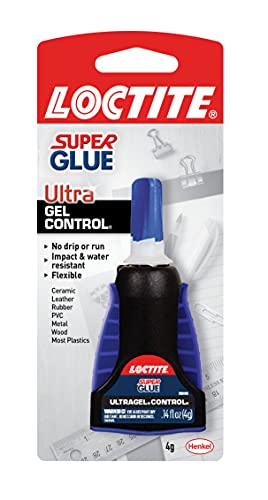
Rubber Toughened: Loctite’s most durable cyanoacrylate super glue formula resists water, impact, shock, vibration for materials subject to daily use and harsh conditions

BONDING POWER: Engineered to provide a high-performance instant fix for both everyday household repairs and heavy-duty industrial tasks.

💧【Super Medium CA Glue】INSOIA Super Medium CA Glue offers exceptional penetration abilities of up to 0.006 inches, making it the perfect adhesive for filling larger gaps and cracks. With a viscosity of 150 CPS, similar to the consistency of motor oil, this glue flows easily into cracks and bonds surfaces with fast curing in 10-30 seconds. Ideal for woodworking repairs, furniture restoration, 3D-printed model assembly, or carpentry.
Conclusion
When working with MDF, using the right adhesive can make all the difference in achieving a durable and reliable bond. Wood glue, particularly PVA and polyurethane glue, offers excellent performance when applied with proper techniques and preparation. By focusing on surface sanding, even glue application, and effective clamping, you can ensure your MDF projects stand the test of time.
Understanding your project’s exact needs, whether it’s moisture resistance or heavy-duty strength, helps you choose the best adhesive for the job. With attention to detail and the right approach, you’ll create strong, lasting bonds that bring your MDF projects to life.

This item is a Franklin International 5063 Titebond Original Wood Glue, 8-Ounce

Archival material created and made in USA. Lineco is a leading and trusted brand for archival quality art, photography, and framing supplies

This item is a Franklin International 5003 Titebond-2 Premium Wood Glue, 8-Ounce