Woodworking is more than just a hobby—it’s an art form that thrives on precision and creativity. Whether you’re crafting furniture or fine-tuning smaller projects, achieving smooth, even surfaces can make all the difference in your final result. But here’s the question: do you really need a planer to take your woodworking to the next level?
If you’ve ever struggled with uneven boards or spent hours sanding, a planer might just be the game-changer you’ve been missing. It’s not just about convenience—it’s about transforming rough, imperfect wood into flawless pieces ready for your vision. Before you jump into your next project, let’s explore why a planer could be the tool that saves you time, effort, and frustration.
What Is A Planer And How Does It Work?
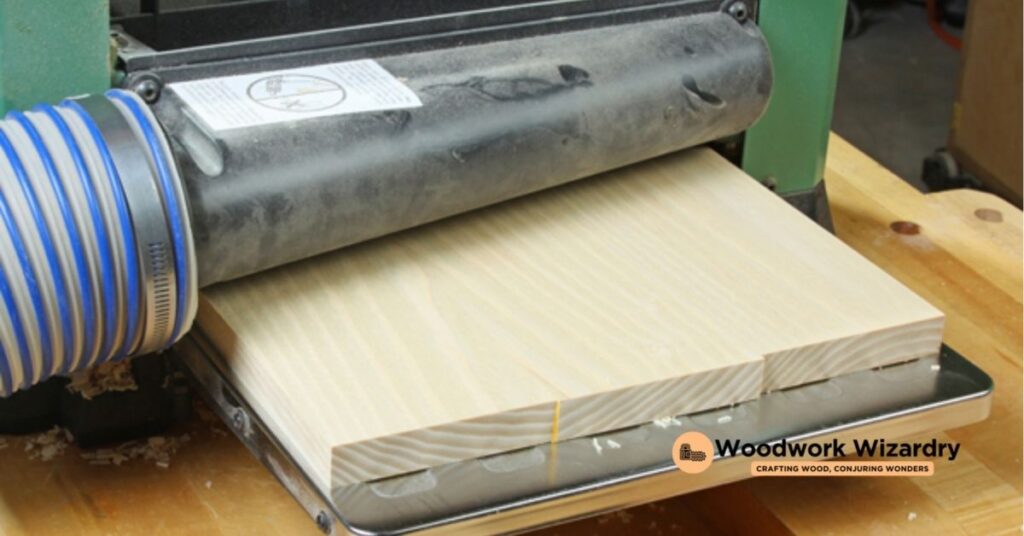
A planer is a woodworking tool designed to smooth and level wooden boards by shaving off thin layers of material. It ensures consistent thickness and creates evenly flat surfaces for precise project assembly.
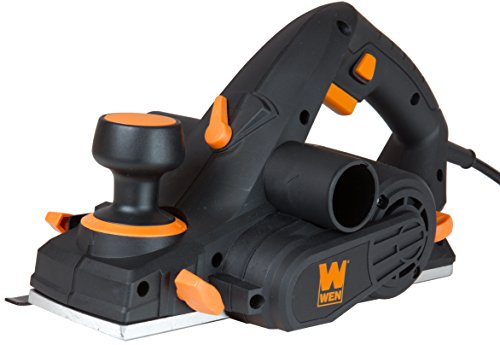
6 Amp motor provides up to 34,000 cuts per minute

3.8-amp motor provides up to 32,000 cuts per minute
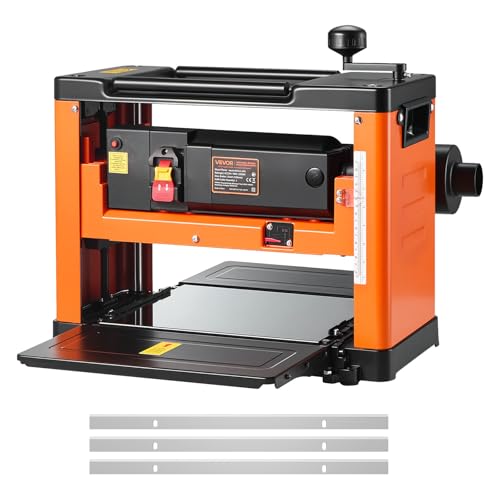
Dual-Roller Feeding System: Sturdy dual rollers advance boards with precision, reducing vibration and alignment issues for flawlessly straight cuts. Paired with three sharp HSS blades, this thickness planer delivers glass-smooth edges free of splinters
Key Functions Of A Planer
Planers perform three primary functions in woodworking. First, they reduce the thickness of a board, allowing you to achieve a precise measurement for your projects. Second, they produce uniformly smooth surfaces by removing rough or uneven textures. Finally, they square off wood faces by correcting distortions or inconsistencies caused by sawing.
Using a planer involves feeding a board through rotating blades that cut thin layers from its surface. As the board moves along the machine, the planer maintains uniform height, ensuring consistent outcomes across the entire piece of wood.
Types Of Planers Available
Planers are categorized based on their form and functionality. Benchtop planers are compact, affordable options ideal for hobbyists working with smaller boards. Stationary planers are larger machines better suited for professional settings and frequent use. Handheld planers offer versatility and portability, making them perfect for on-site adjustments or intricate tasks.
Each type addresses different woodworking needs, allowing you to select a planer that aligns with your project’s scale and complexity.
Benefits Of Using A Planer In Woodworking
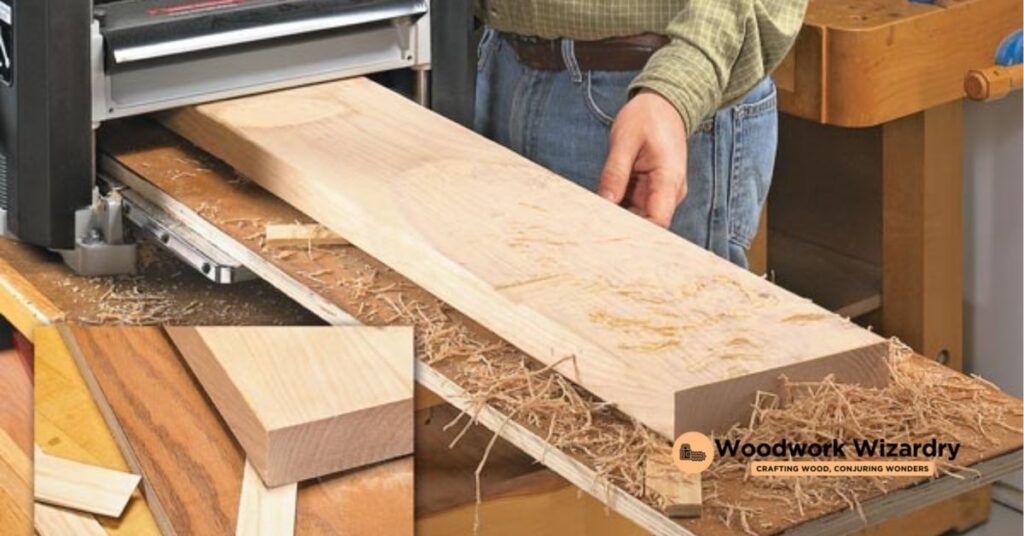
A planer significantly enhances woodworking precision. It turns uneven, rough lumber into consistent and smooth pieces, streamlining your projects.

Dual-Roller Feeding System: Sturdy dual rollers advance boards with precision, reducing vibration and alignment issues for flawlessly straight cuts. Paired with two sharp HSS blades, this thickness planer delivers glass-smooth edges free of splinters

Hard and soft wood material removal: 15 Amp motor provides power for both hard and soft wood material removal
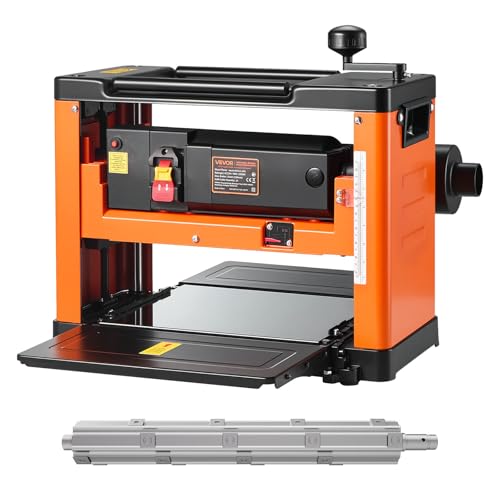
Dual-Roller Feeding System: Sturdy dual rollers advance boards with precision, reducing vibration and alignment issues for flawlessly straight cuts. Paired with 24 spiral alloy blades, this thickness planer delivers glass-smooth edges free of splinters
Ensuring Uniform Thickness
A planer ensures consistent board thickness across your materials. Irregular wood pieces can complicate assembly, affecting the project’s structural integrity. By shaving off thin layers, the planer creates uniformity, which simplifies joinery and improves fit.
Achieving A Smooth Surface
Smoother surfaces reduce the need for extensive sanding. Planers remove imperfections like rough patches and saw marks, leaving clean, polished wood. This is crucial for finishes like paint or stain, as they apply more evenly on flat, smooth surfaces.
Saving Time And Effort
Using a planer accelerates woodworking processes. Manually sanding or resizing boards takes significantly longer and requires more physical labor. Automating these tasks with a planer allows you to focus on intricate details, improving overall productivity.
Situations When A Planer Is Essential
A planer becomes key in woodworking when you need precision and consistency. Certain scenarios highlight its significance for achieving professional-grade results.

High-quality 13" Widened Worktable: Plane boards up to 6" thick and 13" wide. Easily adjusted tables and extensions for coplanar with table pull-out extensions, supplying 35" of total length for better support on the long stock. Precision machined cast iron bed and steel plate assist in keeping boards flat. Get your boards cut the way you want in no time.

Powerful 15 amp, 20,000 rpm motor handles larger, deeper cuts in hardwoods.

13 in. 2-Speed Thickness Planer, & Dust Hose Adapter
Working With Rough Sawn Lumber
Rough sawn lumber often comes uneven and coarse. Feeding these boards through a planer helps turn them into smooth, level surfaces, suitable for precise cuts and fitting. If you’re using reclaimed wood, a planer removes surface blemishes and exposes cleaner, polished material beneath. This preparation ensures the lumber is ready for detailed crafting or assembly.
Creating Custom Thicknesses
Some projects demand boards of exact thicknesses. A planer allows you to shave down materials incrementally, achieving exact dimensions without relying on pre-cut wood sizes. For instance, when constructing cabinetry or furniture, creating uniform, custom thicknesses ensures seamless assembly and structural balance. A planer lets you adapt the wood for unique or intricate designs.
Improving DIY Projects
Handmade projects often use unconventional materials or non-standard wood. Using a planer refines these resources, making them easier to work with and improving their aesthetic. Whether building shelves or crafting a tabletop, achieving smooth, consistent surfaces elevates the finished product’s quality and appearance. Planers reduce manual sanding, saving effort and improving efficiency during project execution.
Alternatives To Using A Planer
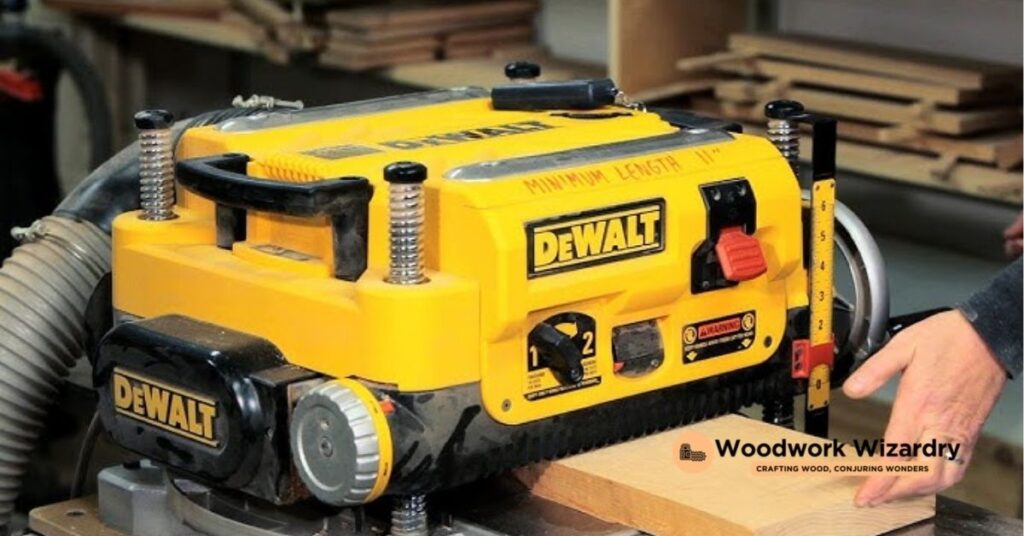
There are several tools and methods to smooth and level wood without a planer. These alternatives can help achieve precise results while catering to different skill levels and project types.

Professional Level Blade: The blade is made of professional level O1 tool steel, improving cutting efficiency while minimizing blade wear, finely sharpened for efficient wood planing and ideal for detail woodworking. Besides, the blade can be repeatedly utilized, sharpened and adjusted for a long service life

Precision Wood Planing: Features a 2‑inch (51 mm) high‑quality steel blade and an adjustable mouth and depth gauge, allowing for accurate smoothing, trimming and finishing of wood surfaces.

Professional Level Blade: The blade is made of professional level O1 tool steel, improving cutting efficiency while minimizing blade wear, finely sharpened for efficient wood planing and ideal for woodworking. Besides, the blade can be repeatedly utilized, sharpened and adjusted for a long service life
Hand Planes
Hand planes provide a manual method for crafting smooth surfaces. You can use these tools to shave off thin wood layers, much like a planer. Various types exist, including block and jack planes, each serving exact purposes. Block planes are ideal for trimming small areas, while jack planes handle rough lumber more effectively. For successful use, regularly sharpen the blade to maintain accuracy. This tool is especially helpful when working on smaller pieces where power tools might feel excessive.
Sanding Techniques
Sanding achieves smoother finishes and corrects minor irregularities. Start with coarse-grit sandpaper to remove larger imperfections. Progressively switch to finer grits for a polished surface. While manual sanding can be time-intensive, it grants you greater control over the process. Alternatively, mechanical sanders such as belt or orbital sanders can expedite the task. Employ sanding blocks for uniform pressure and maintain consistent strokes to avoid uneven surfaces. This method works best for final touches or projects requiring minimal thickness alterations.
Factors To Consider Before Buying A Planer
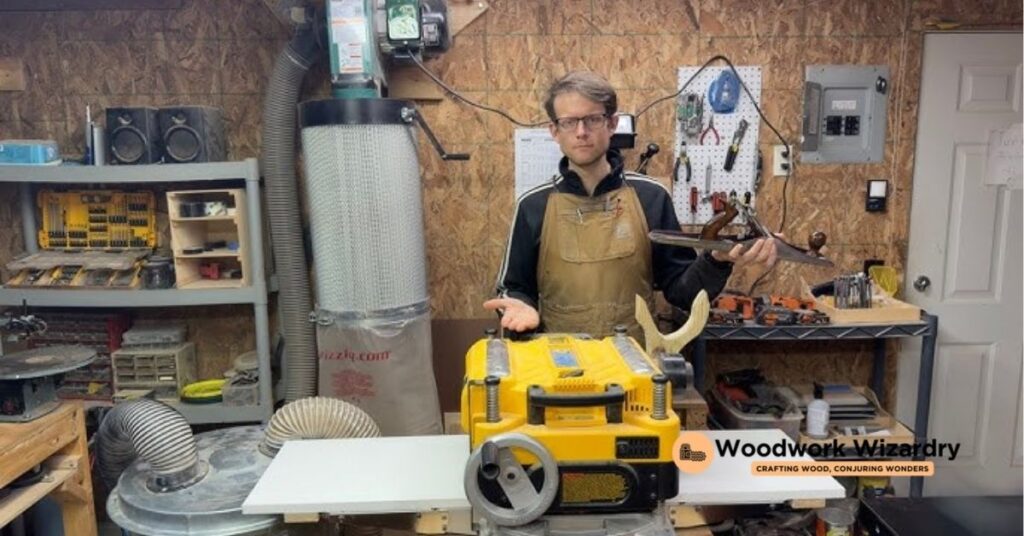
Selecting a planer involves assessing various aspects to ensure it matches your woodworking needs and goals. Careful consideration of these key factors can guide you in making the right choice.

Brushless Motor provides power and runtime

High-Power Electric Hand Planer 16000RPM for Woodworking:This 3-1/4 Inch power handheld planer features a 16000RPM high-speed motor, delivering fast material removal and smooth finishes on hardwood/softwood. Ideal as a woodworking planer for leveling surfaces, door trimming, wood shaping in DIY/construction projects.

SMOOTH CUTS IN HARD MATERIALS: Heavy-duty 6 Amp motor
Budget And Frequency Of Use
Your budget plays a crucial role when buying a planer. Hobbyists with occasional projects might find affordable benchtop models suitable, while professional woodworkers prioritizing heavy usage may invest in durable stationary planers. Weigh the cost against how often you’ll rely on the planer to balance affordability and functionality effectively.
Space And Storage Requirements
Available workspace and storage options significantly influence your decision. Compact benchtop or handheld planers fit limited spaces better, while stationary planers require larger areas due to their size and weight. Verify your workshop dimensions and storage capabilities to ensure the tool you’ve chosen integrates seamlessly into your setup.
Skill Level And Project Type
Matching your skill level with the tool’s complexity enhances your woodworking experience. Beginners handling simple tasks might lean towards user-friendly handheld or benchtop planers. Professionals managing intricate or large-scale projects benefit from the precision and power of stationary models. Aligning the planer type with your project requirements ensures efficiency and desired results.
Conclusion
A planer can be a game-changer in your woodworking journey, offering precision, efficiency, and versatility. Whether you’re a hobbyist or a professional, it helps you achieve smoother surfaces, consistent thickness, and improved project quality. While alternatives like hand planes and sanding can work, a planer simplifies the process and saves valuable time. Carefully consider your needs, space, and budget to choose the right planer for your projects. Investing in the right tool ensures you can take your woodworking skills to the next level with ease and confidence.


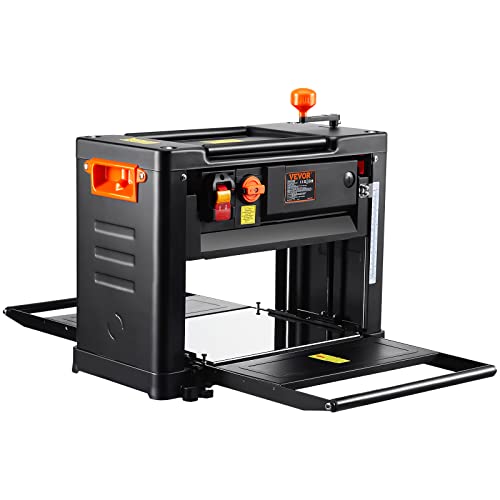
High-quality 13" Widened Worktable: Plane boards up to 6" thick and 13" wide. Easily adjusted tables and extensions for coplanar with table pull-out extensions, supplying 35" of total length for better support on the long stock. Precision machined cast iron bed and steel plate assist in keeping boards flat. Get your boards cut the way you want in no time.