When it comes to your kitchen, every detail matters—even your cutting board. You might be wondering if staining a cutting board is possible or even a good idea. After all, a beautifully stained cutting board can add a touch of elegance and personality to your cooking space. But there’s more to consider than just aesthetics.
Your cutting board isn’t just a decoration; it’s a functional tool that comes in contact with your food daily. Choosing the right approach to staining can impact its safety, durability, and appearance. Whether you’re looking to refresh an old board or customize a new one, understanding the process is key. So, can you stain a cutting board the right way? Let’s explore how you can achieve a stunning finish without compromising its practicality.
What Is A Cutting Board?
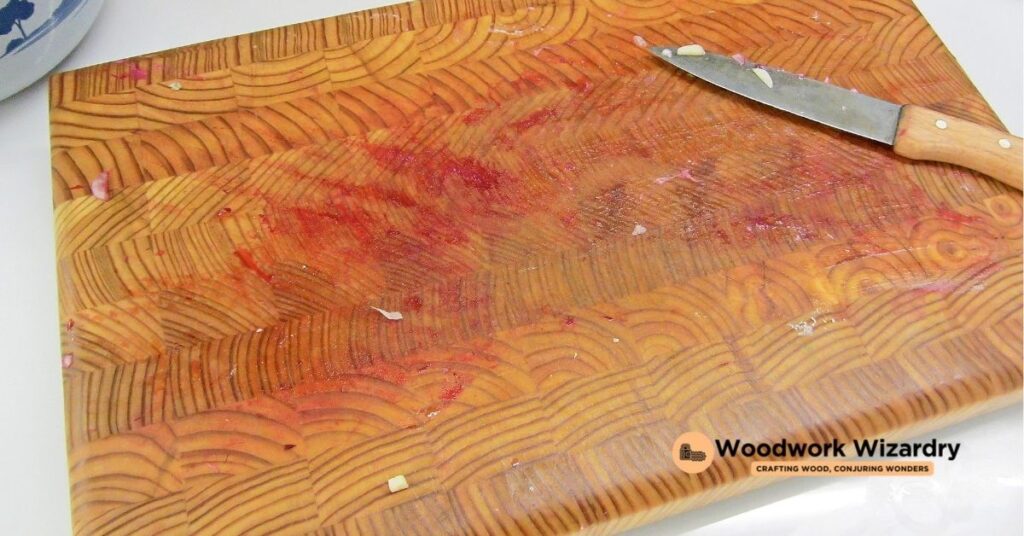
A cutting board is a flat, durable surface designed to prepare food. It often serves to protect your countertops while providing a stable area for tasks like slicing, chopping, and dicing. Most cutting boards are crafted from materials such as wood, plastic, or bamboo, each offering exact benefits. Wooden boards, for instance, are sturdy and visually appealing, while plastic options tend to be lightweight and easier to clean.
You’ll find cutting boards in various shapes and sizes to suit different culinary needs. Some have built-in grooves to catch juices, making them ideal for carving meat. Others include features like non-slip edges for added convenience. People often choose their cutting board based on factors like material, maintenance requirements, and intended use. Prioritize food safety when selecting a cutting board since it directly contacts what you eat.

JUST ONE COAT: Our wood stain requires just one coat to provide wood with a natural, matte finish and unmatched texture enhancement, rejuvenating old wood.

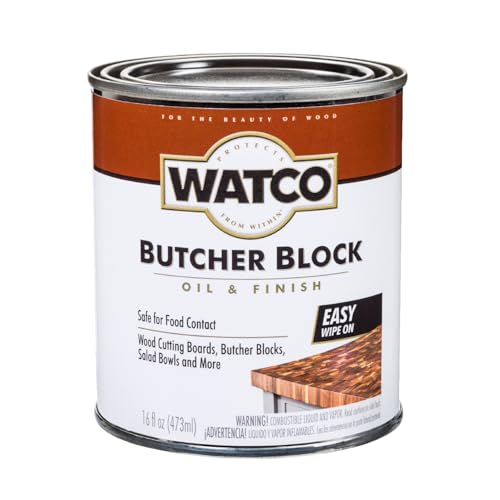
SAFE FOR FOOD CONTACT: Specially formulated for butcher blocks, cutting boards, salad bowls, and interior wood surfaces; nontoxic and safe for food contact when fully dried per 21 CFR 175.300

SAFE FOR FOOD CONTACT: Specially formulated for butcher blocks, cutting boards, salad bowls, and interior wood surfaces; nontoxic and safe for food contact when fully dried per 21 CFR 175.300
Why Consider Staining A Cutting Board?
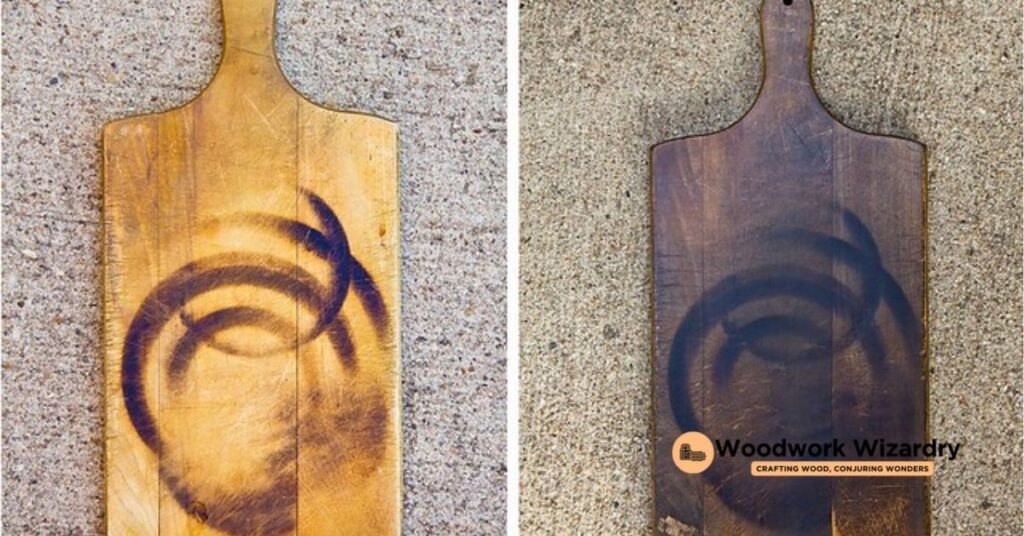
Staining a cutting board enhances both its visual appeal and functionality. It creates a polished look while providing additional protection to the board’s surface.

Revitalizing blend prevents drying and cracking of hardwoods and bamboo

FOOD GRADE - This butcher block conditioner is lab tested to ensure that it meets food safety standards, and is also colorless, odorless, tasteless, and gluten free.

FOOD-GRADE MINERAL OIL FOR CUTTING BOARDS: Helps restore and protect dry cutting boards, butcher blocks, and wooden kitchen surfaces. Refreshes dull, worn wood and helps prevent cracking or splitting; works on bamboo, teak, acacia, olive wood, and hardwood boards
Aesthetic Appeal
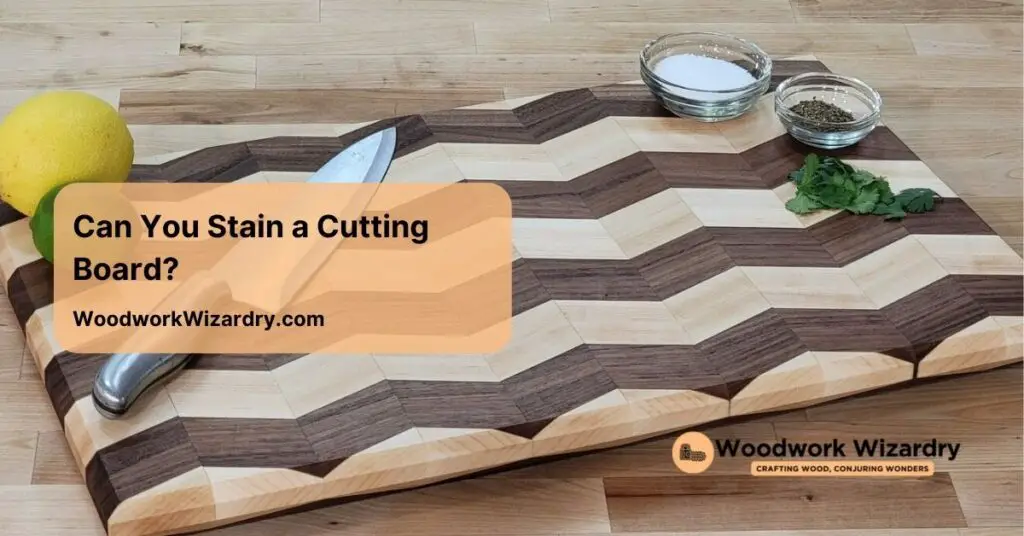
A stained cutting board adds elegance to your kitchen. The stain highlights the wood grain and creates a smooth, finished appearance. Different stain colors let you match the board to your kitchen decor, from warm tones to darker finishes. A well-stained board elevates bland cutting surfaces into decorative pieces while remaining a functional tool.
Protection And Durability
Staining offers a protective layer that helps preserve the cutting board. This layer reduces surface wear caused by knife marks and regular use. It also minimizes moisture absorption, which prevents warping and the growth of bacteria. A durable, stained surface keeps the board in better condition for extended use when paired with food-safe finishing oil or wax.
Can You Stain A Cutting Board?
Staining a cutting board is possible, but safety and functionality must come first when making the decision. A properly stained board enhances its appearance while maintaining food safety and durability.

Protects Wood from Drying and Cracking - Wood wax, butter, cream, and conditioner is ideally formulated to protect your wooden tools for a lifetime.

EASY TO USE - Complete Cutting Board Maintenance Kit.
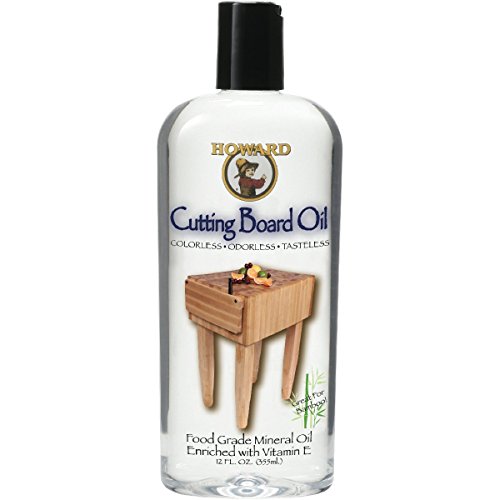
Cutting Board Oil is a deep penetrating 100% Pure USP Food Grade Mineral Oil that is tasteless, odorless, colorless, and will never go rancid
Types Of Stains Suitable For Cutting Boards
Water-based stains offer a safer choice for cutting boards since they emit fewer volatile organic compounds (VOCs). These stains soak into the wood, amplifying its natural grain and color.
Oil-based stains can provide a more vibrant finish, but you need to ensure they’re sealed with a food-safe topcoat. Select high-quality wood stains that bond well to durable materials like maple or walnut.
Natural stains, such as coffee or tea, are toxin-free alternatives. These create rich tones without risking harmful chemical exposure to food.
Food-Safe Staining Options
Food-grade mineral oil effectively seals stained cutting boards. This oil prevents absorption of liquids and promotes hygiene by adding a protective barrier.
Beeswax-based finishes are ideal when paired with mineral oil. This option creates a smooth, moisture-resistant surface that helps to maintain the stain’s integrity.
Coconut oil offers a natural choice that conditions the wood further. Ensure you clean and dry the board thoroughly before applying any food-safe products.
Steps To Stain A Cutting Board
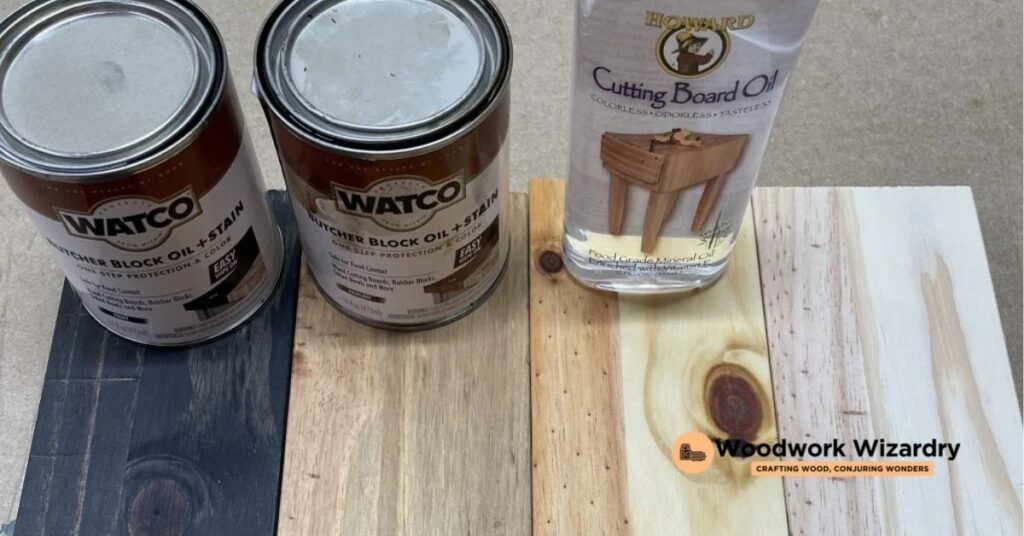
Follow these steps to stain a cutting board safely and effectively while maintaining functionality. Always use food-safe materials to ensure hygiene and preserve the board’s quality.

FOOD GRADE - This butcher block conditioner is lab tested to ensure that it meets food safety standards, and is also colorless, odorless, tasteless, and gluten free.

Easy To Clean and Dishwasher Safe: Set of 2, Medium 12" x 9" and Large, 15" x 11.25" wood fiber cutting board, wooden natural color, dual-sided cutting surface. If you are looking for a crafted wood cutting board that is extremely safe to use, then we got you covered. BPA-free, dishwasher safe, Freshware wood cutting boards provide a clean food prep surface for every meal.

Preparing The Surface
Clean the cutting board thoroughly with warm water and a mild, food-safe soap. Dry the surface completely to eliminate moisture that could interfere with the stain. Sand the board gently using fine-grit sandpaper like 220-grit to remove imperfections or existing finishes. Wipe away any dust using a damp cloth and allow it to dry fully before continuing.
Applying The Stain
Choose a stain that is either natural or low in volatile organic compounds, such as a water-based or natural stain like coffee or tea. Use a clean, lint-free cloth or a brush to apply the stain evenly across the board’s surface. Work in small sections to ensure consistent coverage and allow the stain to penetrate the wood for a few minutes. Wipe off any excess stain immediately with a clean cloth to avoid uneven coloring and set the board aside to dry completely, following the stain manufacturer’s drying time instructions.
Sealing And Finishing
Once the stain is dry, enhance durability by applying a food-safe sealant such as food-grade mineral oil or beeswax-based finishes. Spread the sealant evenly with a soft cloth, ensuring it saturates the wood pores for deep protection. Allow the sealant to absorb into the board for several hours or overnight, then buff it with a clean, lint-free cloth for a smooth finish. Reapply oil or wax periodically to maintain the board’s protective barrier.
Pros And Cons Of Staining A Cutting Board
Staining a cutting board offers several advantages but also introduces some challenges. Understanding both helps you make informed decisions for safe and effective use.

FOOD GRADE MINERAL OIL: Our mineral oil oil is lab tested to meet strict food safety standards. Clark's wood cutting board oil is not colorless, providing deep nourishment while keeping your wood cutting boards and kitchen surfaces protected.
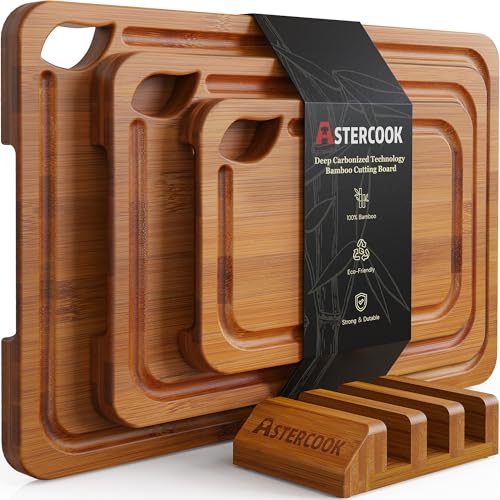
【Deep-Carbonized Bamboo for Lasting Strength】 Crafted from premium bamboo and treated with high-heat carbonization, this wood cutting board set resists warping, cracking, and water absorption. Stronger than standard cutting boards for kitchen, it protects knife edges and stays smooth through years of everyday use.
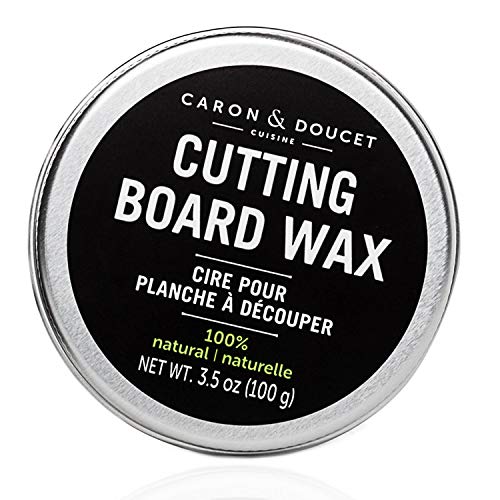
CONDITIONING WOOD FINISH | Creates a waterproof barrier that prevents the absorption of liquids that can cause food stains & water damage. Made entirely from plant based ingredients.
Advantages
Staining elevates the visual appeal of your cutting board. It highlights the natural wood grain, creating a refined appearance that complements various kitchen styles.
Protection against moisture is another benefit. A stained board resists water absorption better, reducing the risk of warping or cracking over time.
Stains combined with food-safe sealants minimize surface wear. This barrier helps prevent deep knife marks and reduces bacterial growth risks.
Using food-safe stains ensures practical and elegant results. Options like coffee or tea create natural tones while maintaining safety.
Disadvantages
Chemical-based stains might compromise safety. Oil-based stains can release VOCs, which are unsuitable for surfaces directly contacting food.
Maintenance efforts increase with stained boards. You’ll need to reapply food-safe sealants regularly to preserve the protective layer and aesthetics.
Staining might alter the board’s feel. Some surfaces become less smooth, impacting cutting precision during food preparation.
Maintenance Tips For Stained Cutting Boards
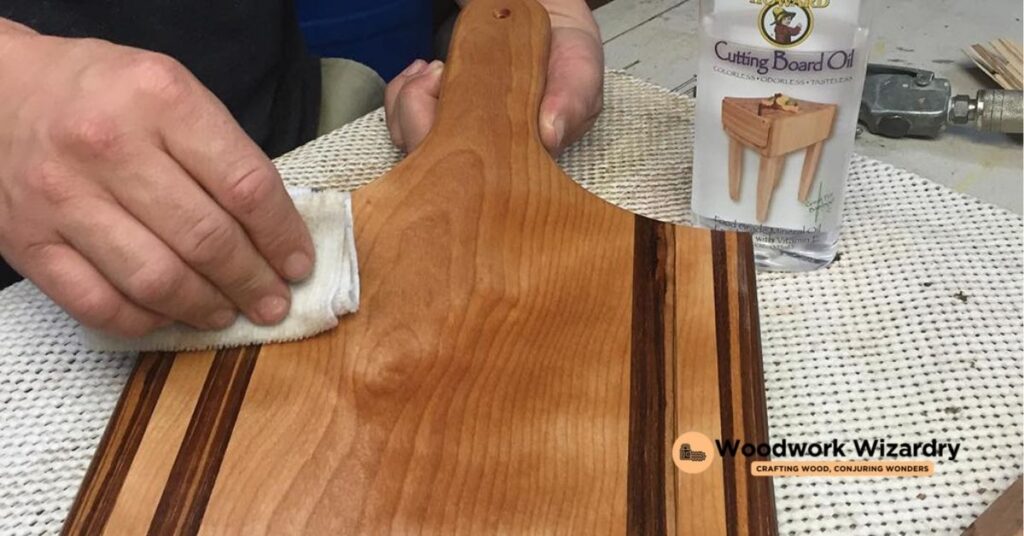
Caring for a stained cutting board preserves its functionality and appearance over time. Consistent upkeep enhances durability, reduces surface wear, and ensures food safety.
Made in United States

Water-Based Formula & Long-Lasting Staining: Boncart water-based wood stain features safety, non-toxicity, high concentration, and strong permeability. It resists fading, delivering long-lasting staining results. It is suitable for most unpainted or light-colored raw wood items and furniture.

Made from premium BPA-free plastic, this cutting board is built to resist cracks and stains. It’s safe for all types of food, ensuring no harmful chemicals leach into your meals, and it stands up to years of daily use。
Cleaning Guidelines
Rinse the board immediately after use to prevent food residue from soaking into the surface. Use warm water and a mild dish soap to clean it thoroughly, avoiding harsh chemicals that could damage the stain or compromise food safety. After washing, pat the board dry with a clean cloth and stand it upright to air dry completely. Moisture left on the board promotes bacteria growth, so ensure no dampness remains. For deeper cleaning, combine one tablespoon of white vinegar with one cup of water and wipe the surface; vinegar neutralizes odors and reduces bacterial growth. Never submerge the board in water, as extended exposure can weaken the protective sealant and promote warping.
Regular Care Instructions
Periodically apply food-safe mineral oil or a beeswax-based conditioner to keep the finish smooth and prevent cracking. Reapply the oil once a month or when the board looks dry to maintain its moisture resistance. Always rub along the grain of the wood when conditioning to enhance absorption. If minor scratches or marks appear, lightly sand the surface with fine-grit sandpaper and reseal with oil or wax to restore its protective layer. Rotate the board’s sides during use to distribute wear evenly and avoid concentrated knife marks. Regular care ensures the cutting board stays visually appealing and hygienic while extending its lifespan.
Conclusion
Staining a cutting board can be a rewarding way to combine functionality with aesthetic appeal, but it requires careful consideration to ensure safety and durability. By choosing the right materials and following proper techniques, you can create a cutting board that’s both visually stunning and practical for everyday use. Prioritizing food-safe options and regular maintenance will help preserve its beauty and hygiene, making it a long-lasting addition to your kitchen. With the right approach, your cutting board can serve as a reliable tool and a stylish centerpiece.

SUPERIOR BLEND OF LINSEED OIL & BEESWAX: Tried and True wood finish is a superior blend of linseed oil and beeswax. This time-tested combination of oil and wax provides a warm soft appearance and adds protection against water, liquids and daily use.

Easy to Use - Tung oil is a natural oil recognized by craftsmen to offer the ultimate hand-rubbed finish for all fine woods; just wipe on and allow the oil to cure at room temperature