Wondering if you can burn pellets in your traditional wood stove? It’s a question many homeowners ask when looking to maximize their heating options or take advantage of pellet fuel’s efficiency.
We’ll explore this common query and help you understand the possibilities and limitations of using wood pellets in a conventional wood-burning stove. While both heating methods use wood as fuel, there are important differences in how they’re designed to operate and the type of fuel they efficiently burn. The answer isn’t a simple yes or no – it depends on several factors that we’ll break down for you.
Understanding Wood Pellets vs. Traditional Firewood
Wood pellets and traditional firewood are entirely different heating fuels with distinct characteristics that affect how they burn. Compressed sawdust and wood waste form the basis of wood pellets, creating a dense, uniform fuel source with approximately 8,000 BTUs per pound. These cylindrical pellets typically measure 1/4 inch in diameter and contain very little moisture, usually less than 10%.
Traditional firewood, in contrast, consists of split logs that vary significantly in size, shape, and moisture content. Freshly cut wood often contains 50-60% moisture and requires seasoning for 6-12 months to reach the ideal 15-20% moisture level for efficient burning. Even properly seasoned firewood generally produces between 6,000-8,000 BTUs per pound, making it less energy-dense than pellets.
The burn characteristics of these fuels differ dramatically. Pellets burn hot and consistent with minimal ash production due to their low moisture content and uniform size. Their compact nature means they don’t require as much storage space as traditional firewood. Cordwood creates more varied flames, produces more ash, and demands larger storage areas.
Combustion efficiency presents another key difference. Wood pellets achieve 80-85% efficiency rates in proper pellet stoves due to their controlled burn pattern. Traditional firewood in conventional wood stoves typically reaches only 60-75% efficiency, meaning more heat escapes up the chimney rather than warming your home.
The environmental impact varies between these fuel types as well. Wood pellets release fewer particulates and emissions when burned in appropriate appliances, making them a cleaner option. Their production process also utilizes wood waste that might otherwise be discarded, giving them potential sustainability advantages over harvested firewood.
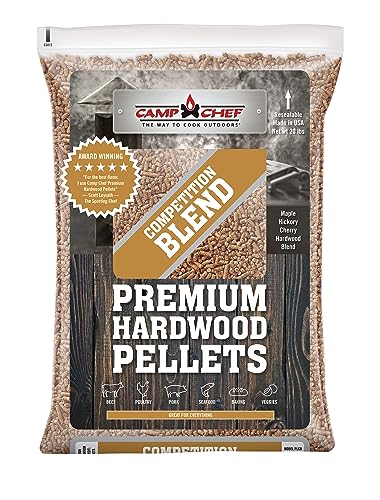
Maple, Hickory, and Cherry Blend: Competition blend is the Jack of All Trades. It's great with poultry, pork, baking, veggies, beef, and seafood. HARDWOODS: Camp Chef Hardwood bbq pellets are not a byproduct. They are 100% pure virgin hardwoods.

Reliable heat source: Our Hardwood Heating Pellets are a reliable and efficient choice for keeping your home warm and cozy during the colder months.

INSTANT FIRE STARTER: These wood pellets ignite in under 5 minutes, providing a smokeless fire that lasts for 30+ minutes. Perfect for all smokeless fire pits, including TIKI smokeless fire pits.
Can You Burn Pellets in a Regular Wood Stove?
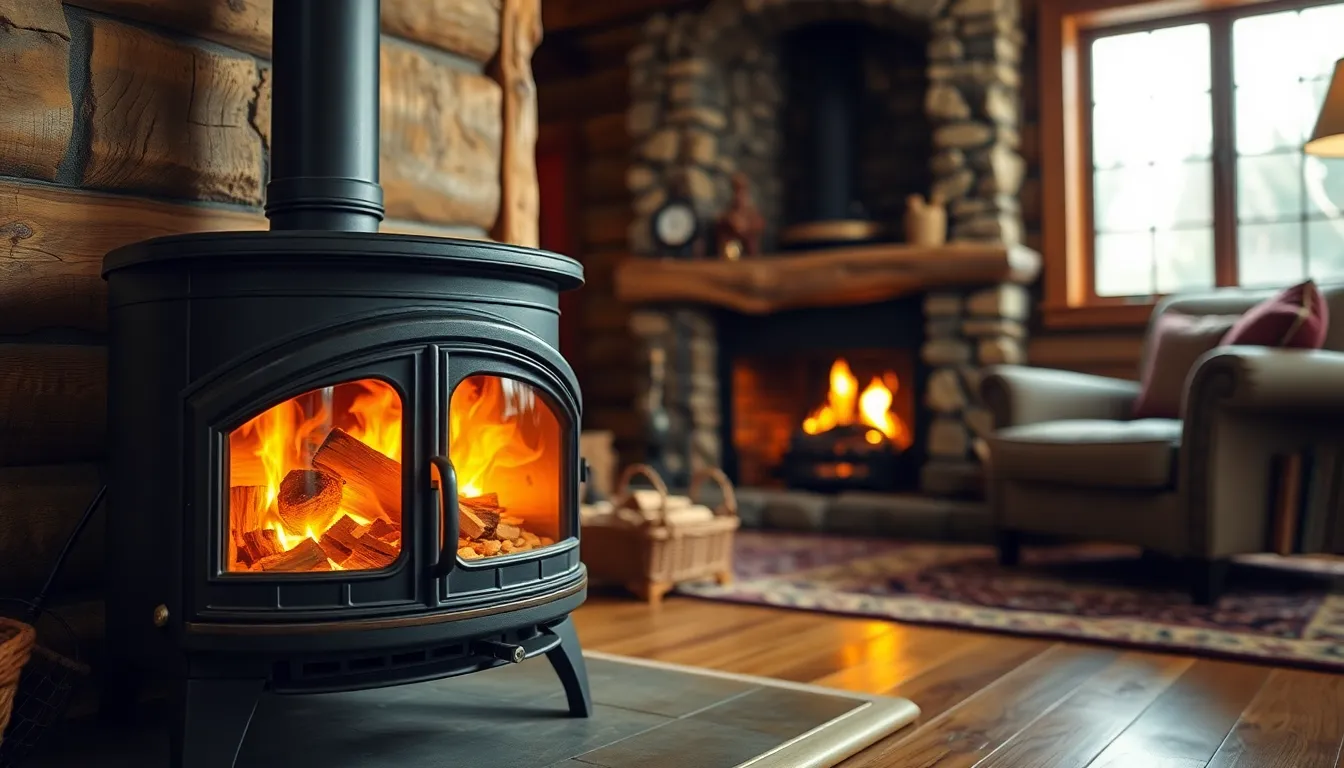
Yes, you can burn pellets in a regular wood stove, but it’s not ideal for efficiency or optimal performance. Traditional wood stoves are engineered specifically for larger wood pieces, while pellets require different burning conditions to maximize their heat output and efficiency.

Heats Up To 3,000 Square Feet of Living Space

Lignetics, 40 LB, Premium Quality Wood Pellet Fuel, For Use With Wood Pellet Stoves, Clean Handling, Smokeless, Pollution Free, No Chimney Problems

Why Traditional Wood Stoves Aren’t Designed for Pellets
Traditional wood stoves lack the specialized mechanisms needed for proper pellet combustion. These stoves don’t provide the precise airflow control that pellets demand for efficient burning, resulting in compromised feed control and inconsistent heat output. Pellets burn differently than firewood, requiring steady, regulated air supply to maintain optimal combustion temperatures. Without these design elements, you’ll experience reduced efficiency compared to using either traditional firewood in your wood stove or pellets in a dedicated pellet stove.
Potential Risks and Concerns
Burning pellets in a conventional wood stove presents several notable concerns:
- Inefficient Combustion: Standard wood stoves can’t regulate airflow properly for pellets, leading to wasted fuel and reduced heat output.
- Safety Hazards: Improper burning conditions increase carbon monoxide production risks and potential chimney complications if regular maintenance isn’t performed.
- Maintenance Challenges: Pellet ash and residue differ from wood ash, often requiring more frequent and specialized cleaning procedures.
- Heat Control Issues: Without automated feed systems found in pellet stoves, maintaining consistent temperatures becomes difficult.
Using specialized pellet baskets or trays can improve results by helping manage airflow and creating a more controlled burn environment. These accessories provide a practical workaround, though they still don’t match the performance of purpose-built pellet stoves.
Pellet Baskets: The Bridge Solution
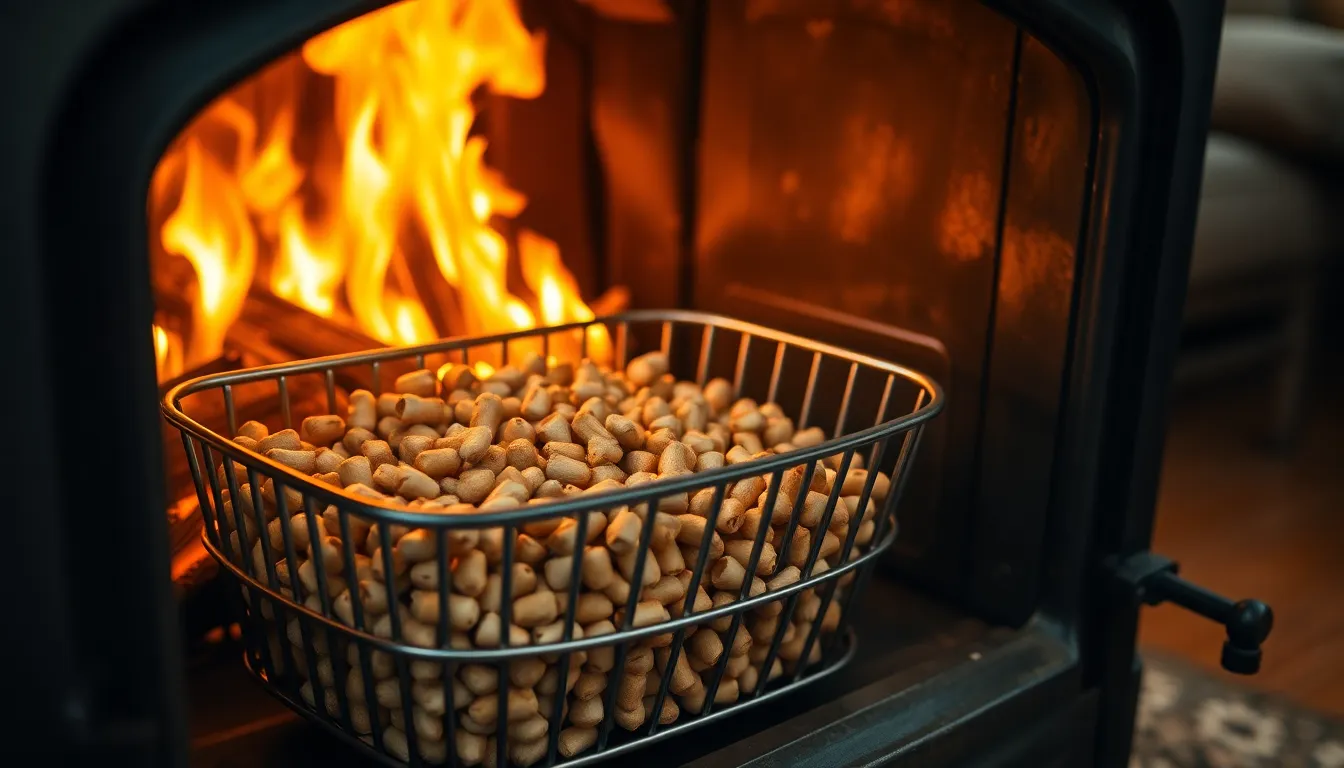
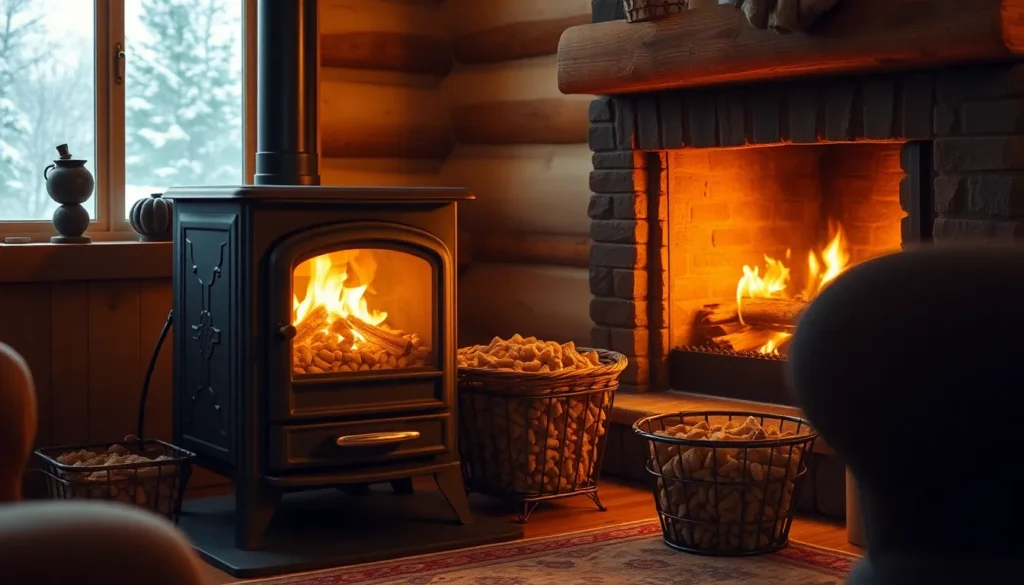
Pellet baskets serve as the perfect intermediary solution for homeowners wanting to burn pellets in traditional wood stoves. These specialized inserts transform conventional wood-burning appliances into more versatile heating systems without requiring expensive modifications or replacements.

Compantibility: Compatible with Solo Stove Bonfire 2.0 Fire Pit. Dimension: 17.32" x17.32" x2.4", 2.86LBS
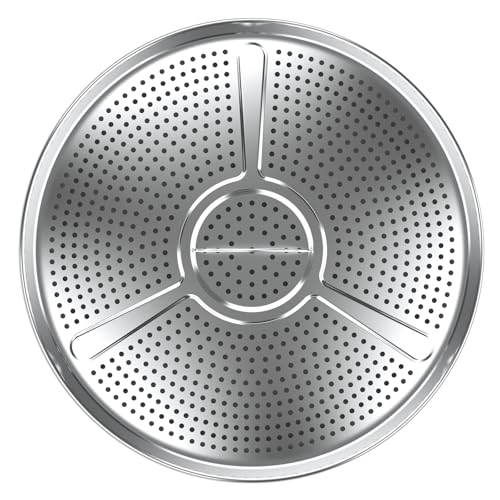
Compantibility: Compatible with Solo Stove Bonfire 2.0 Fire Pit. Dimension: 17.32" x17.32" x2.4", 2.86LBS
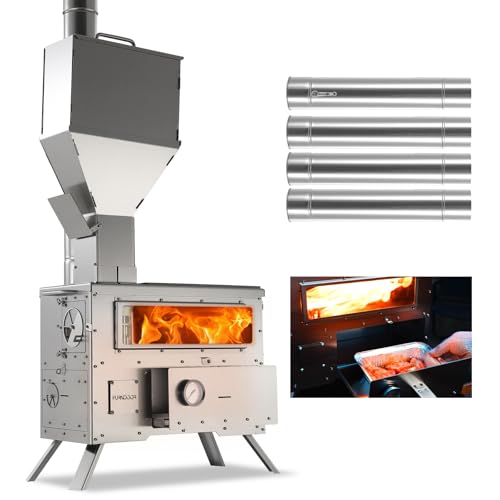
STOVE WITH OVEN - Our tent stove features a built-in oven and a large viewing glass, allowing you to bake, roast, or warm food with ease while enjoying the mesmerizing flame. The oven provides versatile cooking options, making outdoor meals more delicious and enjoyable.
How Pellet Baskets Work
Pellet baskets feature strategic designs that optimize airflow through compacted pellet fuel. The basket’s metal construction includes perforations or mesh patterns that allow oxygen to circulate evenly throughout the pellets, creating more complete combustion compared to simply dumping pellets into a wood stove. Air circulation paths within quality pellet baskets prevent clumping and promote a consistent burn pattern, allowing the pellets to gradually combust from top to bottom. The basket’s structure contains the pellets in an organized arrangement that maximizes their surface area exposure to heat and oxygen, resulting in cleaner, more efficient burning with fewer wasted pellets.
Installation and Usage Tips
Selecting the appropriate basket size ensures proper fit and optimal performance in your exact wood stove model. Measure your firebox dimensions carefully before purchasing, leaving at least two inches of clearance on all sides for proper airflow around the basket. Fill the basket with premium-grade pellets only to the recommended level—overfilling restricts oxygen flow and reduces efficiency. Monitor burn temperatures using a stove thermometer, maintaining the range between 350-450°F for optimal pellet combustion efficiency.
Regular cleaning after every 1-2 burns prevents ash buildup that can obstruct airflow channels and diminish heating performance. Remove the cooled basket completely from the stove, dispose of ash safely, and inspect for any warping or damage before refilling. Position the basket centrally in your firebox for even heat distribution throughout your living space. Add small amounts of pellets as needed rather than opening the stove frequently for major refills, which reduces heat loss and maintains combustion consistency.
Converting Your Wood Stove for Pellet Use
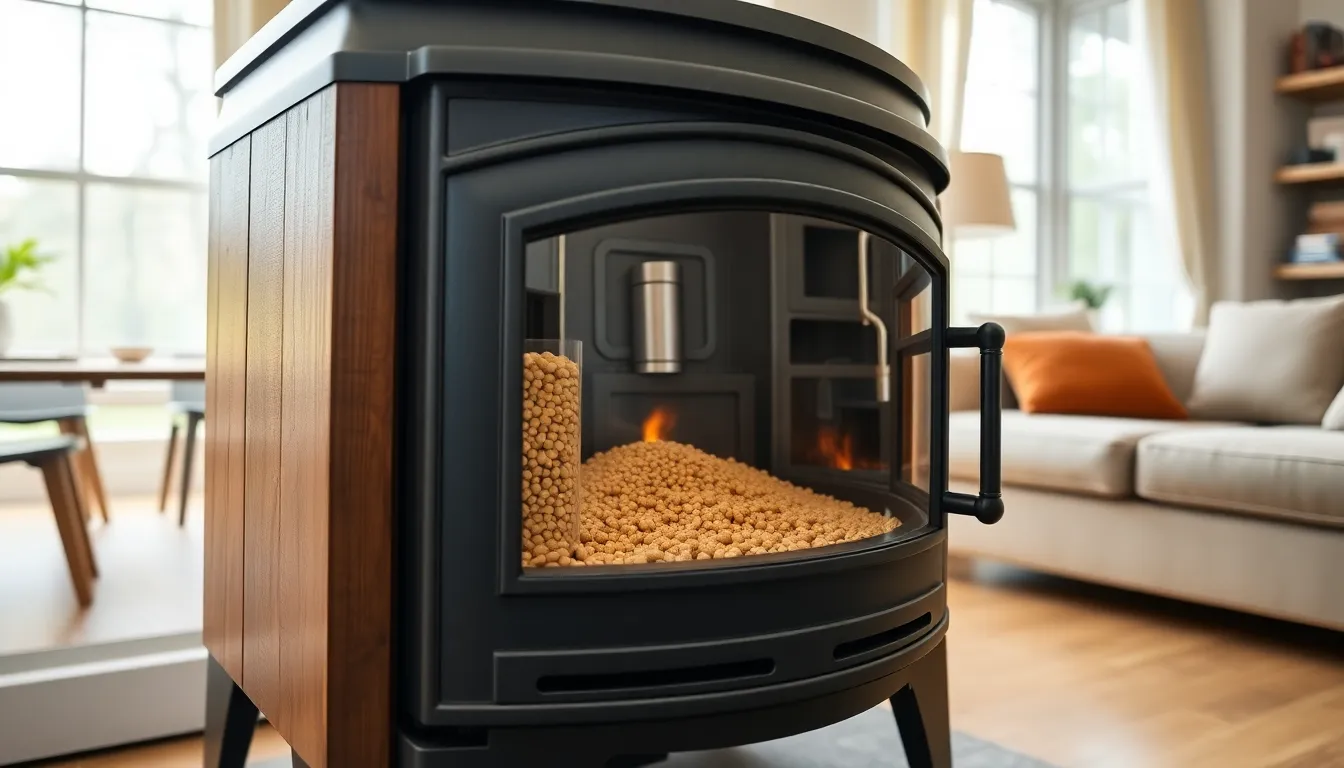
Converting a traditional wood stove to burn pellets efficiently requires exact modifications or the addition of special components. Several options exist for homeowners looking to make this transition without purchasing an entirely new heating system.


SIGNATURE BLEND WOOD FIRED FLAVOR: The flavors of hickory, maple, and cherry hardwoods combine for in our Traeger Signature Blend Hardwood Pellets for flavor that can take on just about anything you cook; From classic BBQ meats, to fish and veggies, this versatile blend gives you full-bodied flavor you'll go back to time and time again

Hickory Wood Pellets: All-natural hardwood hickory wood pellets for smoker grills add a well-balanced sweet and smoky flavor to your favorite red meat, poultry, fish, pork, lamb, or vegetable dish
Aftermarket Conversion Kits
Aftermarket conversion kits transform standard wood stoves into pellet-burning appliances with minimal effort. Companies like Cylinder Stoves offer specialized kits that attach to existing wood stoves, creating a pellet-fed system that doesn’t require external power sources. These kits typically include a pellet burner component and feeding system to regulate the flow of pellets into the combustion chamber. Boiler ATTACK provides conversion options for exact models such as DPX and SLX boilers, featuring a pellet burner and pantograph that allow for dual-fuel capability. Some historical options like the Prometheus basket by Energex were designed specifically for wood stove pellet conversion, though consumer reviews were mixed about their effectiveness.
Professional Modification Options
Professional modifications offer a more comprehensive approach to converting wood stoves for pellet use, ensuring safety and optimal performance. Certified technicians evaluate your stove’s design, materials, and ventilation system to determine compatibility with pellet fuel combustion. These professional conversions often include adjustments to the air intake system, modification of the burning chamber, and installation of specialized components that enhance pellet burning efficiency. Local regulations and building codes may require professional installation to maintain compliance and insurance coverage. Consulting with a qualified heating specialist helps identify the most appropriate modification strategy for your exact wood stove model, considering factors like size, age, and existing features.
Benefits of Using Pellets in Wood Stoves
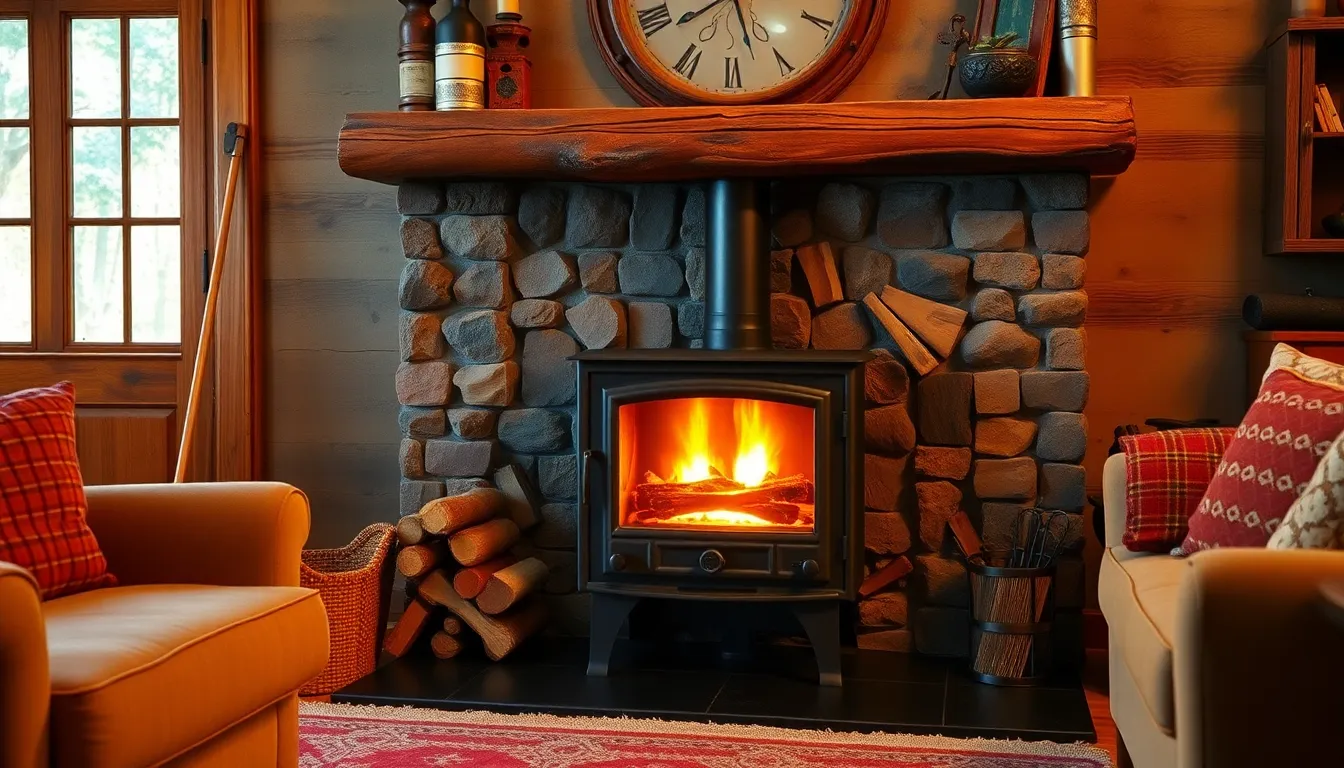
Burning pellets in a wood stove offers several advantages even though some efficiency limitations. These compressed wood products provide alternative heating options with distinct benefits compared to traditional firewood.

Hardwood pellets are best stored in a cool, dry place. Because they can easily absorb moisture, we recommend storing in food-grade, air tight containers.

Clean, Dry, All Natural, No Chemicals & Free of Debris

Clean & Efficient Burning – Made from 100% kiln-dried hardwood sawdust with an ultra-low 8% moisture content, for long-lasting, high-heat burns and minimal ash or creosote
Clean Combustion and Convenience
High-quality pellets burn exceptionally clean without chemical additives, significantly reducing harmful emissions in your home. These uniform fuel sources are pre-dried and require much less storage space than traditional firewood, eliminating the need for extensive seasoning or preparation. Untreated hardwood pellets produce minimal smoke and residue while delivering consistent heat output throughout the burning cycle.
Efficiency and Heat Output Comparison
Pellet combustion generates impressive heat output but performs differently depending on the stove type. Traditional wood stoves using pellets lack feed control mechanisms, often resulting in higher initial heat output but less efficient overall combustion. Dedicated pellet stoves achieve remarkable 70-90% efficiency rates through automated feed systems that optimize burn rates. In contrast, wood stoves burning seasoned firewood typically reach 60-80% efficiency, with performance varying based on wood moisture content and loading techniques.
Environmental Considerations
Pellets represent a more environmentally conscious heating option compared to traditional firewood. They produce substantially fewer particulates during combustion, with emission rates of 0.5-2.5 grams per hour versus 2-5 grams per hour for standard wood stoves. The manufacturing process utilizes sawdust and wood waste products that might otherwise be discarded, effectively reducing pressure on forests and supporting sustainable forestry practices. EPA-certified pellet stoves meet stringent emission guidelines, making them an environmentally responsible choice for home heating needs.
Maintenance Considerations When Burning Pellets
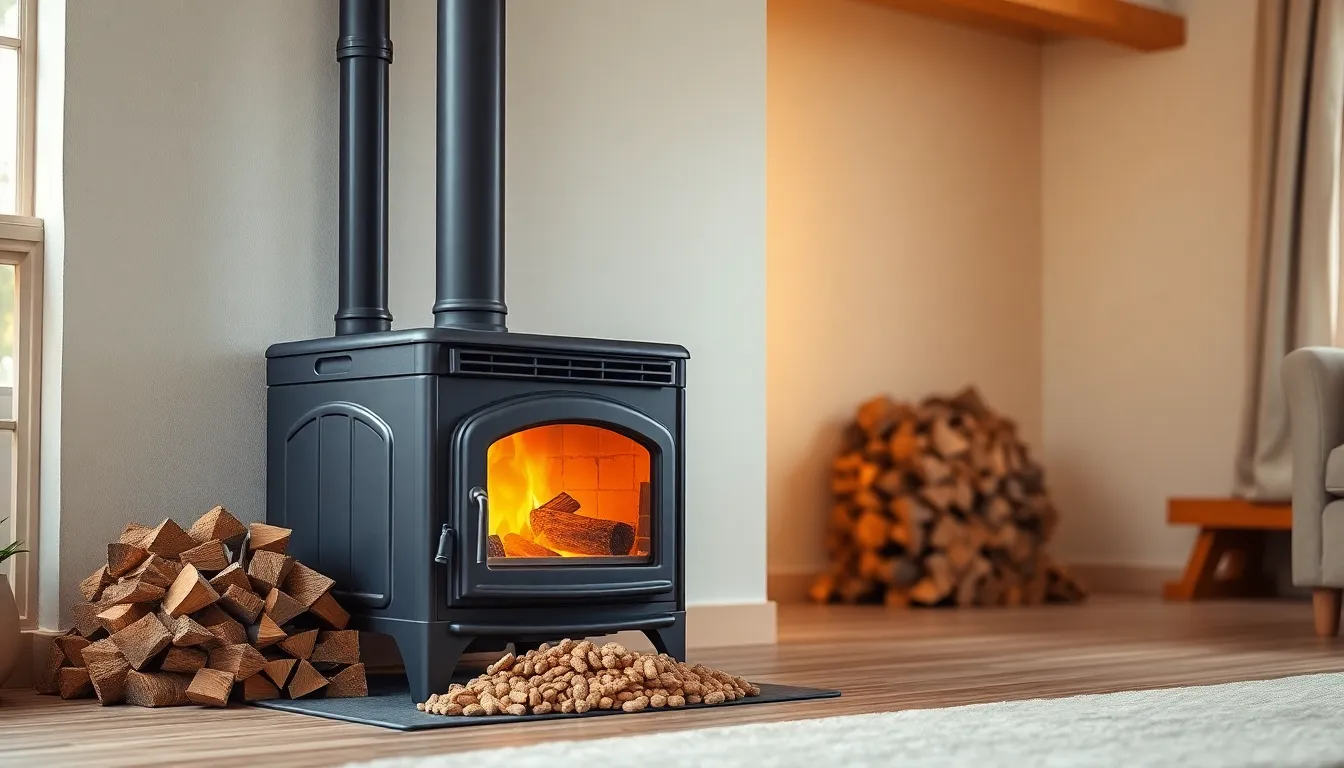
Regular maintenance practices are essential when burning pellets in a wood stove to ensure safety and efficiency. Proper ventilation stands as the most critical safety measure, as inadequate airflow can lead to dangerous carbon monoxide buildup in your home. Clean your stove system thoroughly after every 1-2 tons of pellets burned to remove ash accumulation and prevent potential chimney fires.
Flammable residues pose important risks when burning pellets in wood stoves. These residues can build up quickly in the chimney and flue system, creating potential fire hazards if not addressed regularly. Keep all combustible materials at least 36 inches away from your stove to prevent accidental fires from heat radiation or stray sparks.
Check your stove’s gaskets and seals monthly during the heating season to maintain optimal burning efficiency. Inspect the chimney and venting system at least twice yearly—once before the heating season begins and once midway through—to remove creosote deposits that form even when burning cleaner pellet fuel. Remember that pellets create different ash characteristics than traditional firewood, often requiring more frequent cleaning of ash traps and heat exchange systems.

OAK FLAVOR: pairs well with pork, poultry, and veggies. However, it's great with seafood, baking, and beef. 100%

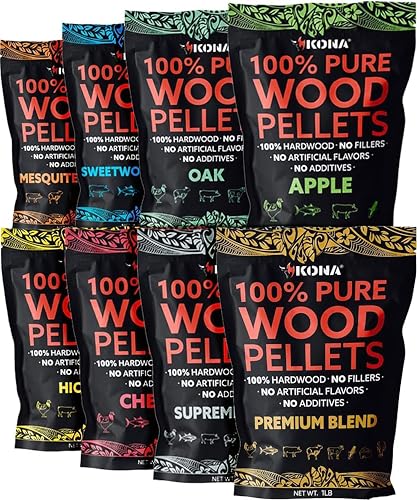
Wood Fired Flavor Excellence: Kona BBQ smoking pellets are crafted from hand-selected trees, sourced from retired orchards and sustainably harvested forests, ensuring superior flavor in every pellet. Compatible with Ninja Woodfire outdoor grill
Conclusion
Burning pellets in a traditional wood stove is possible but requires careful consideration of the limitations and modifications needed for safe operation. While pellet baskets offer a practical compromise and aftermarket conversion kits provide more permanent answers, they still don’t match the efficiency of dedicated pellet stoves.
For homeowners seeking cleaner combustion and convenience, we recommend exploring proper conversion options rather than simply dumping pellets into a standard wood stove. Remember that regular maintenance becomes even more critical when burning pellets in adapted wood stoves.
The environmental benefits and heating efficiency make wood pellets an attractive fuel source, but they’re best utilized in the appropriate appliance designed for their unique burning characteristics. Before making any modifications, always consult with a certified professional to ensure safety and compliance with local regulations.
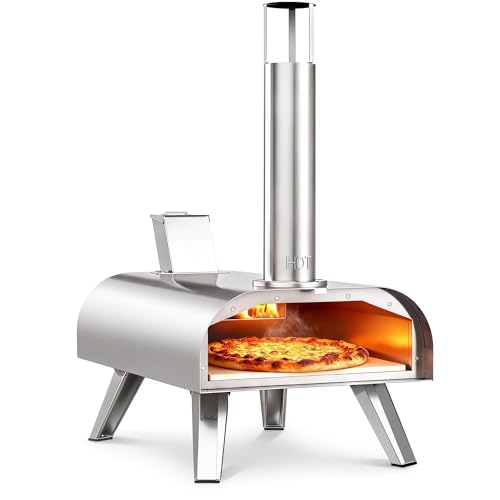
【Premium & Safe Stainless Steel】Outdoor pizza oven is constructed with high-quality stainless steel. This sturdy and compact oven is safe for cooking all types of foods

Derived from 100% virgin soft wood from the United Kingdom, Heat Fuel pellets are the number one pellets for biomass stoves. Completely chemical free, so absolutely no toxicity whatsoever, there are no chemicals or glue used in the manufacturing process, our pellets are compressed using only natural methods

Pellet basket Dimensions: 11.5 × 8 × 6.7 inches (L × W × H), suitable for most wood-burning stoves and open fireplaces.
Frequently Asked Questions

Premium Quality: Our stove thermometer is designed with aluminum dial, metal thermometer sensor, brass pointer and metal handle, which is easy to use and helps you obtain accurate temperature, providing good stove temperature monitoring for your home

Convert Your Stove to Propane with Confidence: The YFLWGFDA LP Conversion Kit makes it easy to switch your for Frigidaire or for Electrolux gas range from natural gas to propane (LPG). Designed for models starting with FC, GC, and PC, including FCRG3062ABA, FCRG3062ADA, FCRG3062ASA, FCRG3062AWA, FCRG306LAFA, FCRG3083ASA, GCFG3060BDA, GCFG3060BFA, FCFG3062ABB, FCFG3062ASA, FCFG3062AWB, FCFG3083ASA, and FCFG308LAFA. Perfect for homes, cabins, or RV setups where propane is the fuel of choice.

Durable and Safe Construction: This pellet smoker conversion kit is built from iron with a rust-proof finish. It includes over-temperature protection and high-temperature alarms for safety, helping maintain its shape and durability during extended use.
Can I burn wood pellets in my traditional wood stove?
Yes, you can burn wood pellets in a traditional wood stove, but it’s not ideal for efficiency or performance. Traditional wood stoves lack the specialized mechanisms needed for proper pellet combustion, which can result in inefficient burning, safety hazards, and maintenance challenges. Using a specialized pellet basket can improve results, but it still won’t match the performance of a dedicated pellet stove.
What are the differences between wood pellets and traditional firewood?
Wood pellets are made from compressed sawdust and wood waste, creating a dense, uniform fuel with about 8,000 BTUs per pound and low moisture content. Traditional firewood consists of split logs that vary in size and moisture, requiring seasoning for optimal burning. Pellets burn hotter and more consistently with less ash, while firewood creates varied flames and more ash. Pellets also offer higher combustion efficiency (80-85%) compared to firewood (60-75%).
What is a pellet basket and how does it help?
A pellet basket is a specialized insert designed to optimize airflow through compacted pellet fuel in traditional wood stoves. These baskets promote even oxygen circulation, prevent clumping, and ensure a more consistent burn pattern. When properly sized and positioned in your wood stove, a pellet basket can improve combustion efficiency and heat output from pellet fuel, making it a practical solution for those wanting to burn pellets without investing in a dedicated pellet stove.
Are there conversion kits available for wood stoves?
Yes, aftermarket conversion kits are available to transform standard wood stoves into pellet-burning appliances with minimal effort. Companies like Cylinder Stoves and Boiler ATTACK offer kits that typically include a pellet burner component and feeding system. Additionally, certified technicians can professionally modify wood stoves for optimal pellet combustion, ensuring safety and compliance with local regulations.
What are the environmental benefits of using wood pellets?
Wood pellets produce fewer particulates and emissions compared to traditional firewood. They utilize wood waste that might otherwise be discarded and support sustainable forestry practices. With higher combustion efficiency rates, pellets burn more completely, reducing the overall carbon footprint. These factors make wood pellets a more environmentally responsible choice for home heating compared to harvested firewood.
How often should I maintain my wood stove when burning pellets?
When burning pellets in a wood stove, clean the system after burning 1-2 tons of pellets to remove ash accumulation. Check gaskets and seals monthly for wear, inspect the chimney and venting system biannually, and ensure proper ventilation to prevent carbon monoxide buildup. Pellet ash has different characteristics than wood ash and may require more frequent cleaning of ash traps and heat exchange systems to maintain efficiency and safety.
What safety concerns should I be aware of when burning pellets in a wood stove?
The main safety concerns include increased carbon monoxide production due to inefficient combustion, potential for chimney fires from ash buildup, and overheating if pellets burn too hot. Proper ventilation is critical to prevent dangerous gas accumulation. Always use a carbon monoxide detector, maintain regular cleaning schedules, and never leave a pellet fire unattended for extended periods. Using a specialized pellet basket can mitigate some of these risks.
How do the efficiency rates compare between pellet stoves and wood stoves?
Dedicated pellet stoves achieve higher efficiency rates (70-90%) compared to traditional wood stoves (60-80%) when burning their respective fuels. When burning pellets in a traditional wood stove, efficiency drops significantly due to design limitations. Pellet stoves are engineered with automated feed systems and airflow controls specifically for pellet combustion, while wood stoves are optimized for larger pieces of wood with different air requirements.