Ever discovered tiny holes in your wooden baseboards or furniture and wondered what caused them? You’re not alone. Many homeowners are surprised to learn that mice can indeed chew through wood with remarkable efficiency.
We’ve investigated this common household concern and found that mice possess incredibly strong teeth that continuously grow throughout their lives. This biological feature drives them to gnaw on various materials, including wood, to keep their teeth trimmed. Whether it’s your wooden cabinetry, structural beams, or decorative elements, these tiny rodents can cause important damage if left unchecked.
Can Mice Chew Through Wood? The Surprising Truth
Mice can absolutely chew through wood. Their powerful incisors are designed for gnawing through tough materials, and wood presents little challenge to these determined rodents. Most types of wood, especially softer varieties like pine and cedar, are easily damaged by mice seeking entry into your home or creating nesting areas.
House mice possess teeth that are remarkably strong relative to their small size. These incisors exert pressure up to 24 pounds per square inch, making quick work of wooden structures throughout homes. Unlike human teeth, mice incisors continuously grow throughout their lifetime, forcing them to gnaw constantly to keep their teeth at a manageable length.
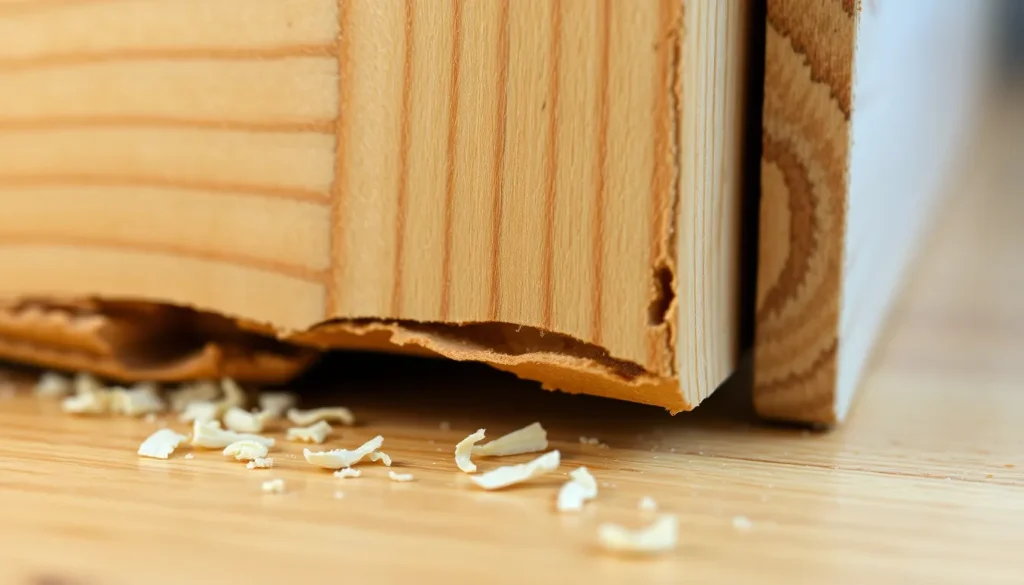
The damage typically appears as rough, irregular edges with visible tooth marks measuring 1-2mm wide. Fresh gnaw marks often have light-colored edges that darken with age, helping you identify recent activity. Wooden baseboards, door frames, cabinets, and furniture are common targets for these destructive pests.
Hardwoods offer marginally better resistance against mice than softwoods. Oak, maple, and walnut might slow mice down initially but won’t stop determined rodents permanently. Any wooden structure in your home remains vulnerable to mouse damage given enough time and motivation from the rodents.
Mice don’t just chew wood for entry—they also gather wooden fragments for nest building. This dual-purpose gnawing means wooden items throughout your home face double jeopardy from rodent infestations. One pair of mice can damage multiple wooden structures simultaneously while establishing their territory in your home.

Mouse Repellent Pouches Safe for Use Around Kids and Pets When Used as Directed: EPA-compliant peppermint oil and cinnamon oil repel mice without poison, snap traps, or DEET. A humane, no-kill barrier the whole family can feel good about.

【Natural Repellent Pouches】Rodent Repellent is formulated with botanical rodent repellents that leave pests with no place to hide. No traps, no harsh chemicals. It is an ideal alternative to mousetraps, rat traps, moth traps or insect repellents.

Plant-Based Rodent & Pest Deterrent – Naturally repel mice, rats, squirrels, chipmunks, skunks, and other pests with our peppermint oil mothballs. An safe alternative to toxic poisons, chemical sprays, traps, or harsh skunk repellents, providing a clean and no mess rodents control solution for both indoor and outdoor spaces.
Understanding Mice Teeth and Chewing Abilities

Mice possess remarkably powerful teeth that enable them to chew through various materials, including wood. Their specialized dental anatomy combined with natural gnawing behaviors makes them particularly destructive pests in homes.
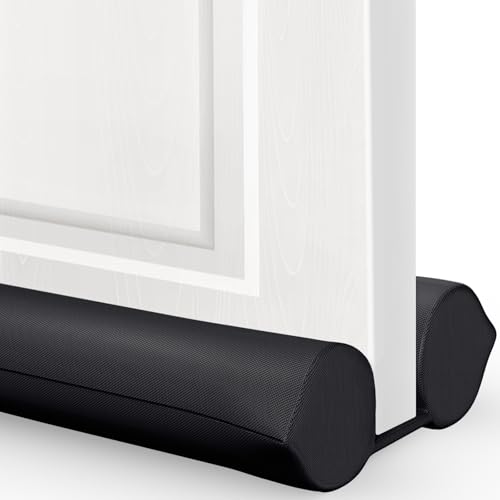
Enhanced Insulation & Seal: Built with an outdoor-level wind-proof & water-proof cover and high-density foam tubes, this door draft stopper provide superior sealing to insulate hot/cold drafts, noise, light, dust, and even bugs. Keeps your home comfortable year-round
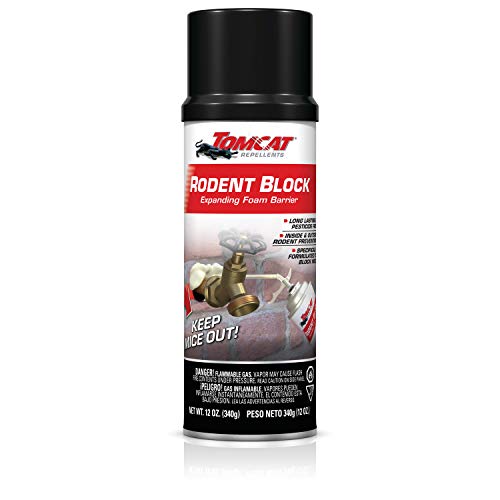
RODENT BARRIER: Our spray foam gap filler is the pesticide-free way to create a rodent barrier
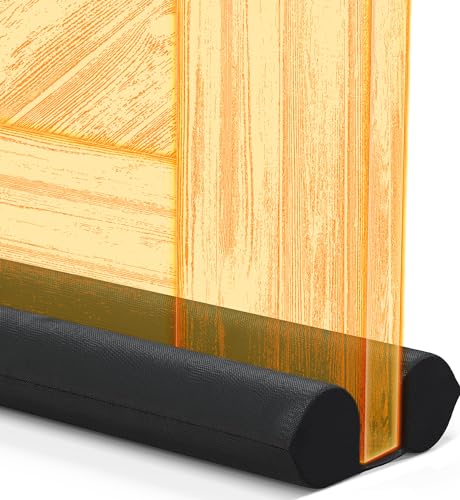
QUICK AND EASY INSTALL: Ideal for doors 30" to 36" wide. Install in a few easy steps - cut foam strips, insert into cover, and slide under the door; No drilling required, making it one of the easiest door draft stoppers for bottom of door to set up; No tape or tacks needed. IMPORTANT: Measure door gap and width BEFORE buying to ensure our door bottom seal strip fits
The Anatomy of Mouse Incisors
Mouse incisors are specialized teeth that grow continuously throughout their lives at a rate of approximately 0.3mm per day. These teeth feature a unique structure with hard enamel on the front surface and softer dentin behind, creating a natural chisel-like edge perfect for gnawing. The distinctive design of mouse incisors allows them to efficiently penetrate wood, including harder varieties, though they typically target softer, water-damaged, or rotting wood when available. Their sharp incisors can easily chew through diverse materials such as wood, plastic, vinyl, and even low-gauge aluminum, making them highly adaptable pests. The front-facing enamel wears down more slowly than the rear dentin, maintaining the cutting edge that makes mice so effective at damaging wooden structures in homes.
Why Mice Need to Constantly Chew
Constant gnawing is essential for mice to prevent their incisors from becoming dangerously overgrown. Without regular chewing activity, a mouse’s teeth would continue growing to the point where feeding becomes impossible, leading to fatal health complications. Gnawing serves multiple purposes beyond dental maintenance, including creating access points to food sources like grains and fruits that might be stored behind wooden barriers. Mice typically chew holes measuring about ¼-½ inch in diameter—just large enough for them to squeeze through. Their chewing behavior isn’t driven by nutritional needs but rather by biological necessity and the drive to access resources like food, shelter, or materials for nesting sites. Chewing activity intensifies when mice are establishing territory or building nests, as they collect wooden fragments specifically for constructing comfortable, insulated shelters within your home.
Types of Wood Mice Can and Cannot Chew Through

Mice can chew through virtually any type of wood, though some varieties present more of a challenge than others. Their continuously growing incisors must gnaw constantly, making wooden structures throughout homes vulnerable regardless of the wood species.

1. Great Value: Congratulations! You've found the best value for money copper mesh rodent control kit on the market! Kit includes 2 rolls of copper mesh and 1 pair of scissors. The copper mesh size is 4in x 16ft per roll, for a total of 32ft
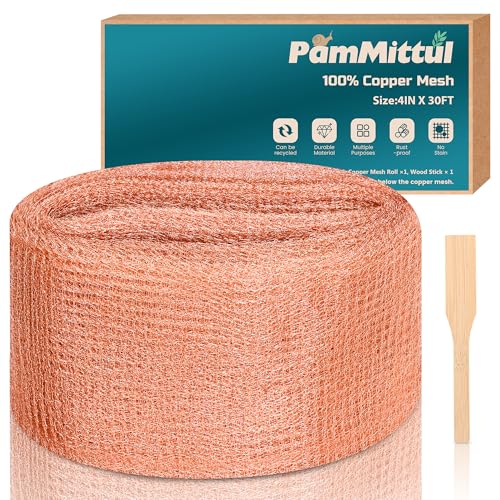
Premium Copper Wool Kit – Package includes a 4in x 30ft copper mesh roll and a packing tool. Crafted with high-grade copper, PamMittul copper mesh provides effective protection against rodents and pests.
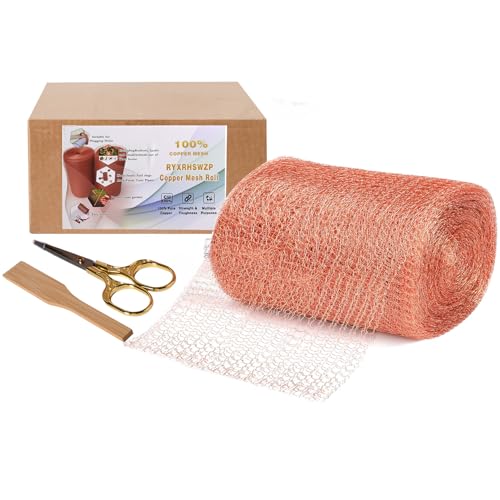
Ample & Ultimate Copper Mesh Roll:Ryxrhswzp copper mesh kit includes a 5 in x 32 ft of pure copper mesh roll , a scissor and packing tool. Unlike inferior materials, our pure copper mesh for rodent control is naturally rustproof and corrosion-resistant.
Softwoods: Easy Targets for Mice
Softwoods offer minimal resistance to determined mice, creating perfect targets for their gnawing activity. Pine, cedar, and other softwoods with high moisture content or rot become particularly susceptible to mouse damage. These rodents strategically prioritize softer, damaged, or untreated wood sections for easier access and less dental effort. Even intact softwood materials like standard 2×4 lumber provide little defense against a mouse’s powerful incisors. Moisture-damaged softwoods practically invite mouse activity, as the compromised structural integrity significantly reduces the effort required for chewing through. Mice don’t discriminate between decorative or structural softwoods – they’ll target whatever serves their survival needs for nesting materials or pathway creation.
Hardwoods: More Resistant but Not Mouseproof
Hardwoods like oak and maple provide increased resistance against mouse damage due to their natural density. Their tighter grain patterns and harder composition force mice to expend more energy when attempting to chew through these materials. Nevertheless, hardwoods remain vulnerable, especially when weathered, thin, or positioned near food sources that motivate persistent gnawing. No wood type delivers complete protection against determined mice, though hardwoods effectively slow down their destructive activities. Factors like moisture exposure and thickness dramatically impact even hardwood’s resistance – water-damaged oak may prove easier to penetrate than dry pine in some cases. Mice demonstrate remarkable persistence when targeting any wooden barrier between them and potential food or nesting areas, regardless of wood species.
How Quickly Can Mice Chew Through Wooden Structures
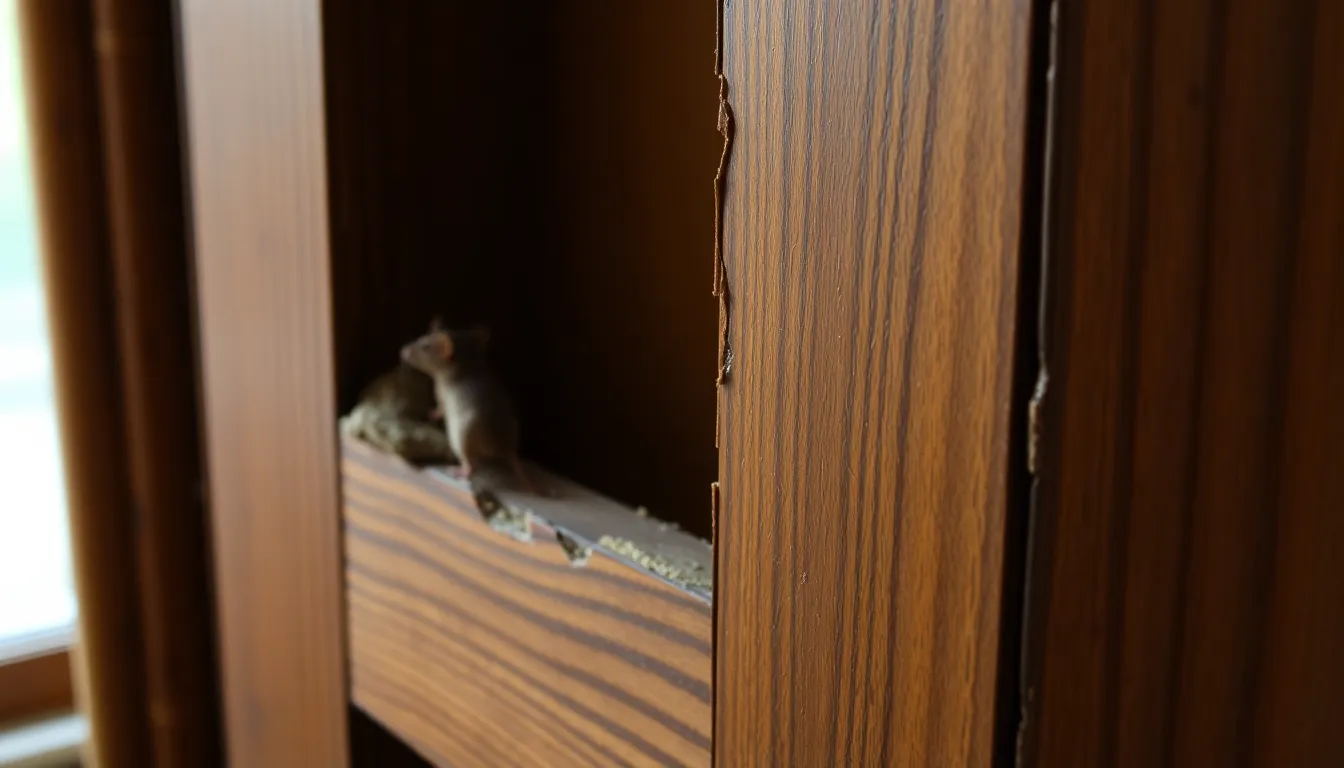
Mice can damage wooden structures surprisingly fast due to their persistent gnawing habits. Their constantly growing incisors require regular chewing activity, making wood a frequent target even though mice don’t actually consume it as food. Several factors influence how quickly a mouse can compromise wooden materials in your home.

PET-FRIENDLY & FAMILY-SAFE FORMULA – Mighty Mint is a top pick for pet parents looking for a natural pest control solution. Safe to use around dogs, cats, and kids when applied as directed—no harsh fumes or dangerous chemicals, just powerful peppermint protection you can trust.

Tomcat Repellents Rodent Repellent Granules prevents rodent entry, nesting, and foraging outdoors

Pet-Friendly & Family-Safe Formula – Mighty Mint is a top pick for pet parents looking for a natural pest control solution. Safe to use around dogs, cats, and kids when applied as directed—no harsh fumes or dangerous chemicals, just powerful peppermint protection you can trust.
Wood Density and Condition
Softer woods like pine and cedar offer minimal resistance to determined mice. These materials can be breached much faster than dense hardwoods, especially when they’re already damp or damaged by moisture. Wet or decaying wood significantly reduces the time needed for mice to create entry points or gather nesting materials.
Nesting Priorities
Mice intensify their chewing when seeking to establish sheltered spaces. Wooden baseboards, beams, and door frames often become primary targets during nesting season or when outdoor temperatures drop. Their urgent need for protection can accelerate damage to wooden structures throughout your home as they collect fragments for insulation.
Daily Tooth Maintenance
A mouse’s incisors grow approximately 0.3mm each day, forcing them to gnaw constantly. This biological necessity means wooden structures face continuous pressure from mice teeth that can exert up to 24 pounds per square inch. The consistent daily chewing translates to cumulative damage that quickly compromises wooden barriers between mice and their desired destination.
Common Damage Patterns
Mice frequently target wooden furniture edges, garage door frames, and wooden trim adjacent to drywall. Their damage appears as rough, irregular edges with visible tooth marks, typically creating holes measuring about ¼-½ inch in diameter – just enough for them to squeeze through. Wooden elements near electrical wiring face particularly rapid degradation as mice often chew through both materials simultaneously.
Signs That Mice Are Chewing Your Wood
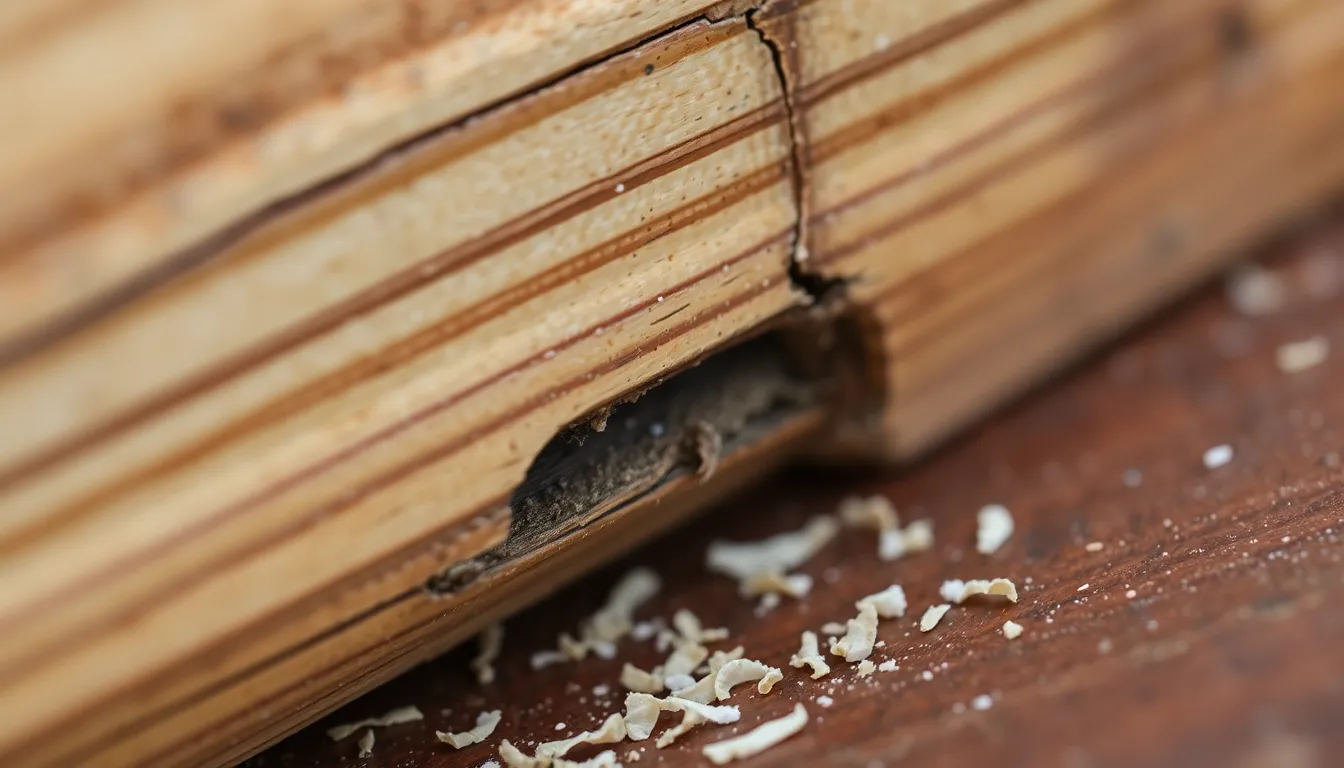
Identifying mouse damage in your home starts with recognizing key indicators of their chewing activity. Mice leave behind distinct evidence as they gnaw through wooden structures. Looking for these telltale signs helps you detect an infestation early and prevent extensive damage.

DURABLE, LONG-LASTING RODENT PREVENTION: The Xcluder Rodent Proof Pull Chain Seal is made from durable, long-lasting solid cast aluminum.

HIGH QUALITY & WEATHER RESISTANT: Xcluder Garage Door Rodent Shields are made from high-quality, weather and corrosion resistant stainless steel. Apply to the base of the rubber weather strip on the garage door jamb to create an impenetrable barrier.
HIGH QUALITY & WEATHER RESISTANT: Xcluder Garage Door Rodent Shields are made from high-quality, weather and corrosion resistant stainless steel. Apply to the base of the rubber weather strip on the garage door jamb to create an impenetrable barrier.
Visible Holes and Gaps
Mice create entry points by chewing holes just large enough for their bodies to squeeze through. These openings typically measure about ¼-½ inch in diameter—perfectly sized for a mouse to pass through while accessing food sources or creating nesting areas. You’ll commonly find these holes near baseboards, door frames, and cabinet corners where mice seek entry to protected spaces.
Chewed Appearance
Wood surfaces damaged by mice display distinctive gnawing patterns with rough, irregular edges. Their powerful incisors leave behind visible tooth marks that appear as parallel grooves or scratches on wooden surfaces. These marks often concentrate on corners and edges where mice can grip the wood more effectively with their teeth.
Wood Shavings or Particles
The presence of wood shavings near damaged areas provides clear evidence of active mouse chewing. These small wood particles collect beneath entry points or along baseboards where mice have been gnawing. Fresh wood shavings indicate ongoing activity and suggest that mice are currently modifying their environment.
Nesting Material
Mice gather shredded materials including wood fibers and splinters to construct their nests. You’ll find these collections of nesting materials in secluded areas such as wall voids, attics, or behind large appliances. The presence of wooden fragments mixed with other soft materials like paper or fabric indicates mice are establishing permanent residence within your home.
Preventing Mice From Damaging Wooden Structures

Protecting your wooden structures from mouse damage requires a multi-faceted approach combining both physical barriers and deterrents. Mice can cause important damage to wood in a surprisingly short time, making prevention essential for maintaining the integrity of your home’s wooden elements.

NATURAL FORMULA RODENTS TEND TO AVOID: Each pouch contains a concentrated peppermint, cinnamon, and cedarwood essential oil blend that creates an environment mice, rats, moles, gophers, squirrels and other rodents are less likely to inhabit. No traps to set, no poison to manage, and no mess to deal with later.

【Powerful Rodent Repellent】Keep your home safe and rodent-free with our natural peppermint rodent repellent balls — Formulated with plant-based essential oils to effectively deter mice, rats, squirrels, and other rodents indoors and outdoors.

POWERFUL MICE REPELLENT: Our powerful mouse repellent contain strong active ingredients, deliver the smell highly irritating to rodents, create a strong barrier for hassle-free rodent control in your home, keep mice out, prevents the mice and rats from chewing on wires and nesting in your house and vehicle. forces them to leave your property.
Physical Barriers and Modifications
Physical barriers create effective defenses against mice seeking entry through wooden structures. Seal all potential entry points, as mice can squeeze through holes as small as the width of a pencil. Replace vulnerable wooden sections with resistant materials like steel or metal in high-risk areas where mice frequently attempt entry. Apply durable protective coatings to wooden surfaces to create a barrier that discourages gnawing while maintaining the wood’s appearance. Reinforcing corners and edges of wooden structures proves particularly effective since mice often target these areas first when attempting to create entry points.
Natural and Chemical Deterrents
Natural deterrents offer non-toxic answers to keep mice away from wooden structures. Peppermint oil creates an environment mice find unbearable when applied to cotton balls placed near wooden areas requiring protection. Cinnamon functions similarly to peppermint as a natural repellent that mice actively avoid when sprinkled near potential entry points. Ultrasonic devices emit high-frequency sound waves intolerable to mice but inaudible to humans, though their effectiveness varies depending on the exact product and installation location. Traps, both humane and traditional, help eliminate mice already present in your space before they can damage additional wooden structures. Strategic placement of these deterrents around vulnerable wooden areas creates multiple layers of protection against determined mice.
Long-Term Solutions for Mouse-Proofing Your Home
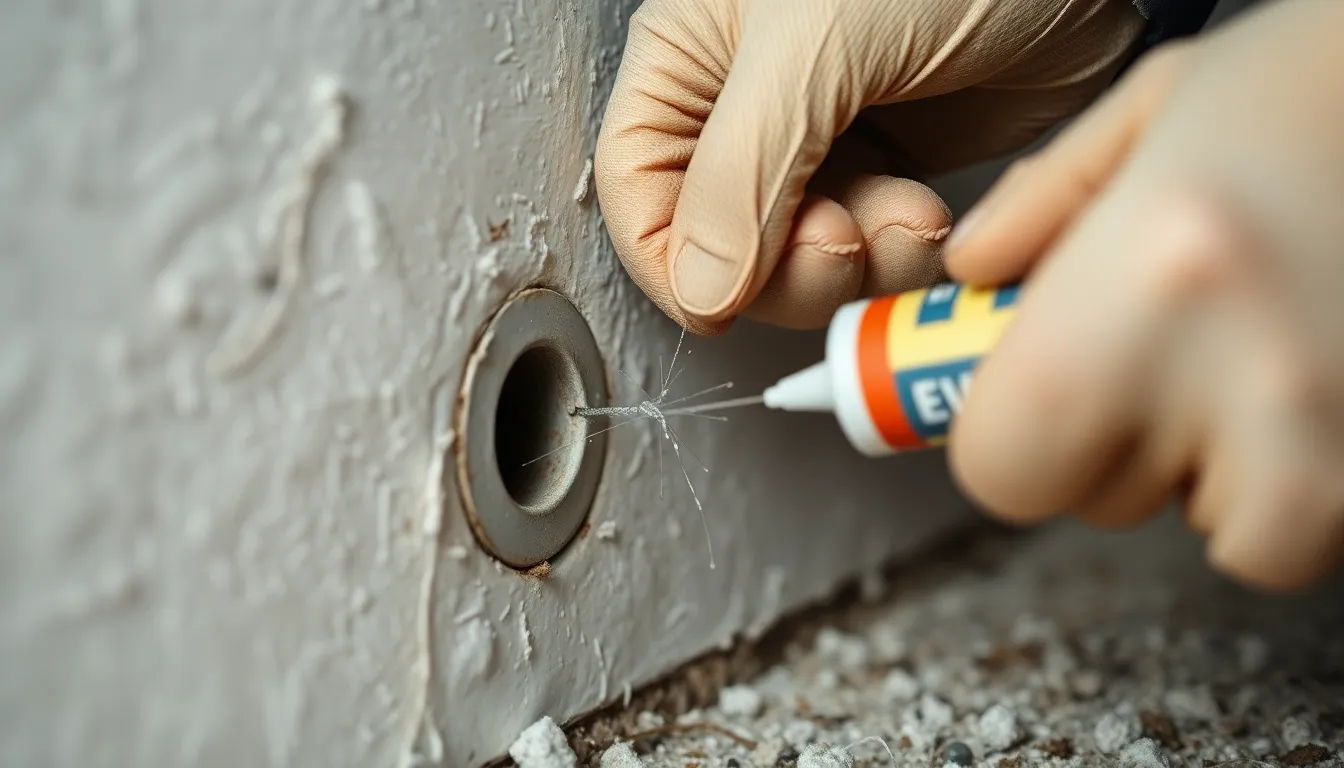
Effective mouse-proofing requires a comprehensive approach to eliminate existing infestations and prevent future ones. Steel wool and caulk work exceptionally well for sealing holes around pipes and vents where mice commonly enter homes. Damaged wooden structures must be replaced promptly, as mice target compromised materials that offer less resistance to their powerful incisors.
Incorporating rodent-resistant materials throughout your home significantly reduces the risk of mouse intrusions. Regular inspection schedules help identify early warning signs like gnaw marks or droppings before substantial damage occurs. Professional pest control services provide specialized treatments and expertise for severe infestations that DIY methods can’t resolve.
Mice can chew through various household materials including wood, plastic, vinyl, and even thin aluminum, making comprehensive protection necessary. Their continuous tooth growth forces them to gnaw constantly, with wood being particularly vulnerable due to its accessibility and moderate resistance. Focusing on these prevention strategies creates multiple barriers against these persistent pests, protecting your home’s structural integrity and your family’s health.

Enhanced Insulation & Seal: Built with an outdoor-level wind-proof & water-proof cover and high-density foam tubes, this door draft stopper provide superior sealing to insulate hot/cold drafts, noise, light, dust, and even bugs. Keeps your home comfortable year-round

The Aluminum solution to under door gaps: our 2 pieces of metal door mouse stopper are crafted from aluminum, boasting sturdiness and durability Measured at a length of about 36 inches and a height of about 2 inches, the metal door sweep is designed to effortlessly cover gaps up to about 1.5 inches offering a reliable solution in maintaining your room temperature

Thickened Silicone Material-Heat And Cold Resistant:Door Draft Stopper is made of pure silicone material, easy to bend and deform.Smooth surface, high resilience.Draft Stopper for Bottom of Door puts up with all the abuse, it has no "compression memory", wont't damage the floor, and is pliable enough that you can easily still open the door along the crooked floor and against daily wear
Conclusion
Mice can definitely chew through wood with their powerful incisors that exert up to 24 pounds of pressure per square inch. No wooden structure in your home is completely immune to these determined rodents though hardwoods offer better resistance than softwoods.
The persistent gnawing behavior driven by their continuously growing teeth means wooden structures can be compromised surprisingly quickly. Recognizing the telltale signs of mouse damage—holes wooden shavings and distinctive gnaw marks—is crucial for early intervention.
We’ve seen that effective protection requires a multi-layered approach combining physical barriers protective coatings and deterrents. By implementing these preventative measures you’ll safeguard your home’s wooden elements from these destructive pests while maintaining your property’s structural integrity and your family’s health.

Copper Wool Mastery: Unleash the power of 100% pure 5-inch x 35ft copper mesh roll, accompanied by a scissor, gloves and packing tool, meticulously crafted from pure copper. Outshining conventional materials, it provides a barrier against rodents and pests.

Copper That Leads - Unlike other steel wool mice control that rust and corrodes with time; our copper wool is made of 0.18mm thick, refined, and premium quality copper mesh roll, which means its craftsmanship will not disappoint you.

【Copper Mesh】Crafted from 100% pure copper, this copper mesh rodent control solution offers excellent strength and flexibility. Unlike alloy or steel alternatives, the copper mesh resists rust and corrosion while helping prevent rodents from chewing or damaging the barrier.
Frequently Asked Questions

Mouse Repellent Pouches Safe for Use Around Kids and Pets When Used as Directed: EPA-compliant peppermint oil and cinnamon oil repel mice without poison, snap traps, or DEET. A humane, no-kill barrier the whole family can feel good about.

KEEP MOUSE AWAY INSTEAD OF KILL THEM: Our mouse repellent for car engines is made of natural peppermint oils ingredients which emit a scent, making mouse dizzy and preventing rats and mice invading your home, car, camper, garage, truck, or RV. Experimental proofs this way to repel mouse is effective.

Natural Rodent Repellent: HLISIS Mice Repellent is made from 100% plant-derived ingredients. By releasing a strong peppermint and lemon scent, it stimulates the nervous and sensory systems of rodents, effectively and harmlessly driving them away
Can mice actually chew through wood?
Yes, mice can definitely chew through wood. Their incisors grow continuously, forcing them to gnaw on materials like wood to keep their teeth trimmed. They can exert pressure up to 24 pounds per square inch with their teeth, allowing them to easily damage wooden structures, especially softer varieties like pine and cedar. Even hardwoods like oak and maple, while more resistant, aren’t immune to determined mice.
How quickly can mice damage wooden baseboards?
Mice can damage wooden baseboards surprisingly fast. With their need to constantly gnaw (about 0.3mm of tooth growth daily), they can create noticeable damage within days. Softer woods, particularly when damp or damaged, can be breached much quicker than dense hardwoods. Damage intensifies during nesting season or colder months when mice are actively establishing territory and building nests.
What does mouse damage on wood look like?
Mouse damage on wood typically appears as rough, irregular edges with visible tooth marks. You’ll notice holes about ¼-½ inch in diameter, which is just enough for mice to squeeze through. Look for wood shavings near damaged areas and collections of nesting materials made from wood fibers. Common targets include baseboards, door frames, cabinets, and furniture legs, often with distinctive gnaw marks.
Which types of wood are most vulnerable to mice?
Softwoods like pine and cedar are most vulnerable to mice due to their minimal resistance and softer composition. Mice prioritize damaged, untreated, or moisture-exposed wood sections first. Even intact softwood offers little defense against determined mice. While hardwoods like oak, maple, and walnut provide better resistance due to their density and tighter grain patterns, they aren’t completely mouse-proof if the rodents are persistent.
Why do mice chew on wood in the first place?
Mice chew on wood for three primary reasons: to maintain their continuously growing incisors (which grow about 0.3mm daily), to access food sources, and to gather materials for nest building. Their teeth would become painfully overgrown without regular gnawing. Additionally, mice collect wooden fragments to create insulation and shelter within homes, making wooden items throughout your house vulnerable to their persistent chewing.
How can I prevent mice from damaging wooden structures?
Prevent mice damage by sealing all potential entry points with steel wool and caulk, especially gaps around pipes and foundation cracks. Replace vulnerable wooden sections with more resistant materials or apply protective metal guards. Use natural deterrents like peppermint oil or cinnamon around wooden areas. Maintain a clean home without food sources, employ ultrasonic devices, and set traps in strategic locations. For severe infestations, consult professional pest control services.
Can you tell if mice are present by wood damage alone?
Yes, wood damage offers clear indicators of mice presence. Look for small holes (¼-½ inch diameter) with rough edges and visible tooth marks. Wood shavings scattered near baseboards or furniture legs are tell-tale signs. Other supporting evidence includes droppings near damaged areas, nesting materials (shredded wood mixed with fabric or paper), and nocturnal scratching sounds within walls or floors. These signs together confirm an active mouse infestation.
Do mice prefer certain locations in homes to chew wood?
Mice typically target wooden areas that provide access to food sources or quiet nesting spaces. Baseboards, especially in kitchens and pantries, are prime targets. Door frames and cabinet bottoms offer entry to new areas. Furniture legs, particularly in undisturbed spaces like guest rooms or storage areas, provide hidden gnawing opportunities. Areas near heat sources, such as wooden structures around appliances, attract mice during colder months.