Imagine a heating solution that’s not only efficient but also eco-friendly, saving you money while keeping your home warm and cozy. Wood boilers are a game-changer, offering a sustainable way to heat your space using a renewable resource—wood. Whether you’re looking to reduce your energy bills or minimize your carbon footprint, understanding how wood boilers work could be the first step toward a smarter heating choice.
You might be wondering, “What makes wood boilers so effective?” These systems harness the power of wood combustion to produce heat, which is then distributed throughout your home. They’re designed to maximize energy output while minimizing waste, making them an ideal option for anyone seeking a cost-effective and environmentally conscious heating method. Ready to explore the mechanics behind this innovative technology? Let’s jump into how wood boilers can transform the way you heat your home.
Understanding Wood Boilers
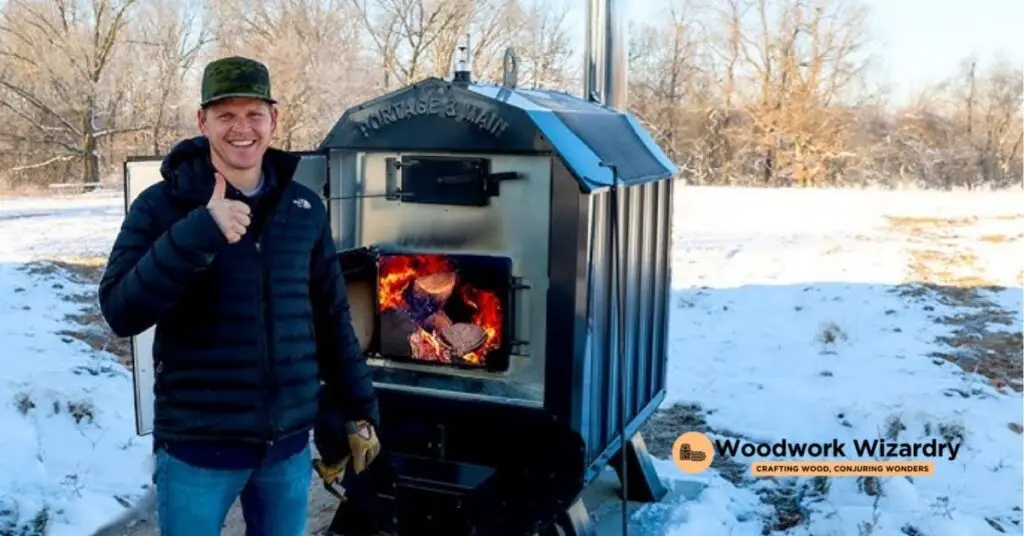
Wood boilers provide a reliable and sustainable solution for heating. These systems operate by converting the energy from wood combustion into usable heat for residential or commercial spaces.

1" Fire Rope to Seal most Outside Wood Furnaces Doors

Boiler Rust Inhibitor - Treats 500 to 720 fresh water.

What Are Wood Boilers?
Wood boilers are devices designed to burn wood, producing heat for warming water or air. They efficiently transfer heat to building systems like radiators or underfloor heating. Wood serves as a renewable fuel, making these boilers an eco-friendly alternative to fossil fuels.
Types Of Wood Boilers
There are several wood boiler types, each serving different heating needs:
- Conventional wood boilers: Burn wood logs in a simple combustion process to produce heat. These are often less efficient than other options but cost less to maintain.
- Gasification wood boilers: Use a two-stage combustion process where wood is burned, and gases are captured and burned again. This design increases efficiency while reducing emissions.
- Pellet wood boilers: Use compressed wood pellets instead of logs, offering consistent performance and easier fueling through automatic feed systems.
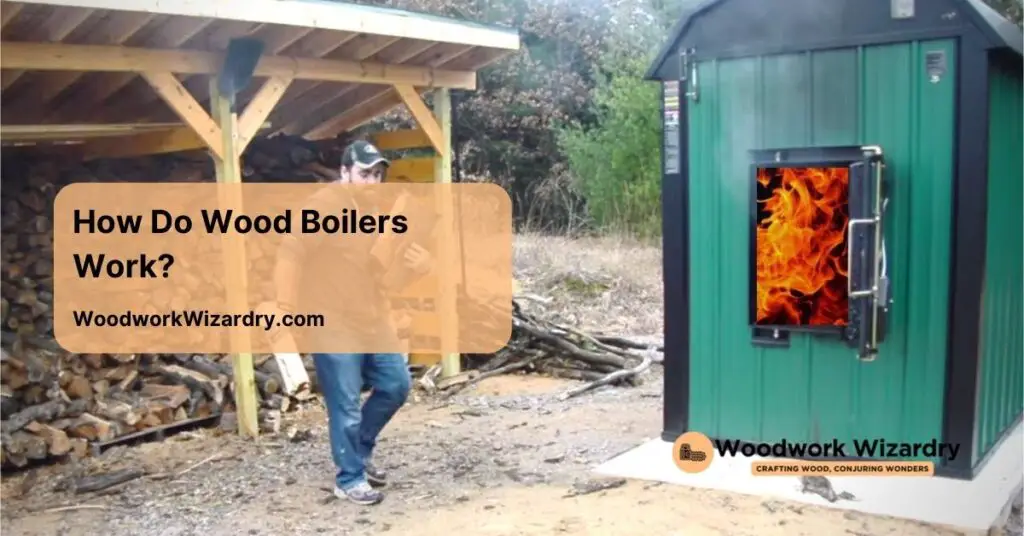
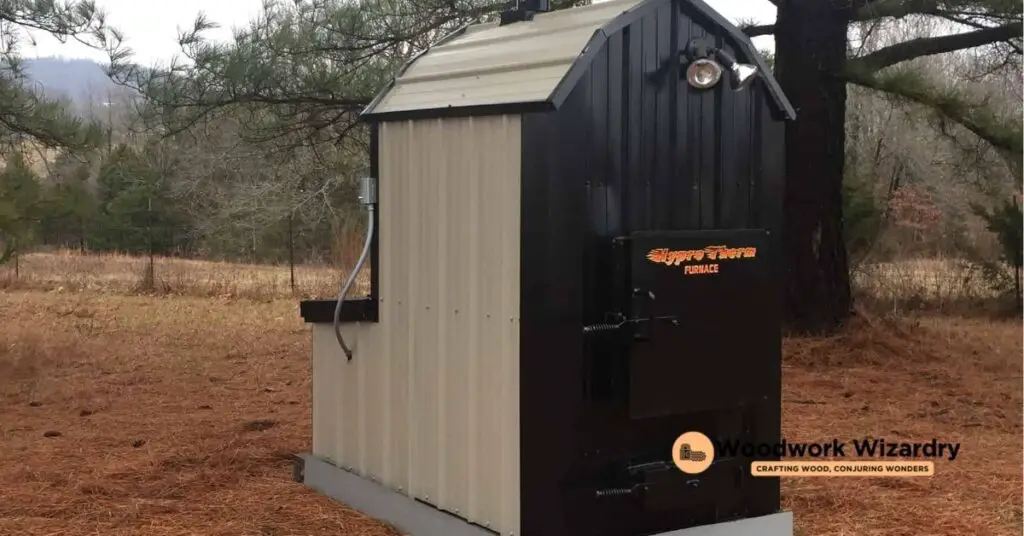
- Outdoor wood boilers: Installed outside the home, they prevent indoor air pollution and handle larger loads of wood, providing heat to multiple systems.
Key Components Of Wood Boilers
Several components ensure wood boilers function effectively:
- Combustion chamber: Burns the wood to create heat. Its design maximizes heat extraction and minimizes waste.
- Heat exchanger: Transfers heat from combustion gases to water or air systems. Proper cleaning minimizes heat loss.
- Loading door: Allows you to add wood logs or pellets into the combustion chamber. Durable construction ensures safety while operating.
- Chimney system: Directs exhaust gases outdoors. Insulated designs maintain safe and efficient operation.
- Storage tank: Holds hot water for use in heating systems or household needs. It’s critical for balancing energy supply and demand.
These components work together to ensure efficient heating performance.
How Do Wood Boilers Work?
Wood boilers operate by burning wood to generate heat, which is then transferred to warm water or air as needed. These systems deliver an efficient, sustainable way to heat your home or building by utilizing renewable fuel sources.


Contains Two levels of protection
Combustion Process
The combustion process begins when you load wood into the boiler’s combustion chamber and ignite it. High temperatures fuel wood burning, producing gases, heat, and minimal ash. Advanced wood boilers maximize combustion efficiency, reducing the emissions released into the environment. Proper airflow within the chamber ensures consistent burning by maintaining oxygen levels.
Heat Transfer Mechanism
Heat generated in the combustion chamber is transferred to the boiler’s heat exchanger. This exchanger absorbs the produced heat and warms the water or air depending on the system design. Thermal storage tanks in some wood boilers store the warmed water for future use. This process guarantees that as little heat as possible escapes during operation.
Distribution Of Heat
Heated water or air circulates through pipes or ducts to distribute warmth efficiently. Radiators, underfloor heating systems, or forced air systems move this heat to designated spaces. Outdoor wood boilers often use underground piping to transfer heated water to buildings, providing a seamless heating solution over extended distances.
Advantages Of Using Wood Boilers
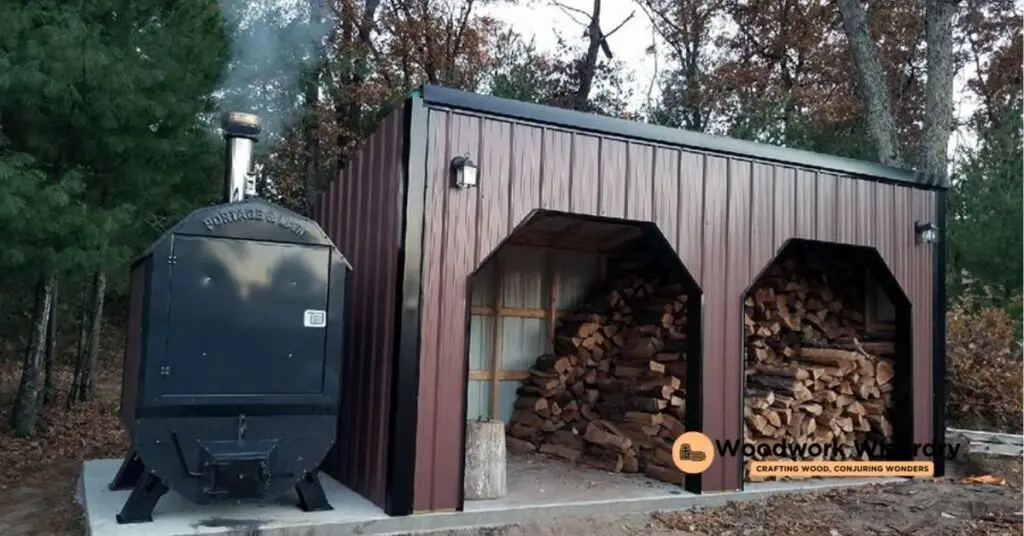
Wood boilers offer multiple benefits that align with efficiency and sustainability goals. They provide an effective solution for reducing heating costs, minimizing environmental impact, and achieving energy autonomy.
▶ Ultra Portable ALL-IN-ONE Design.

Durable and Sturdy:The iron shell of the pellet smoker hopper assembly kit is spray painting, iron fire basin stamping, anti-rust oil coating, high-quality conveying screw has excellent heat resistance and wear resistance, and is very easy to clean.

【Optional Shapes】 This pellet mill is equipped with 5 different pellet plates, which control the shape of the food. You can choose different pellet plate shapes according to your pet's eating requirements
Cost Effectiveness
Heating with wood boilers allows for important savings on energy expenses. Wood is often cheaper than fossil fuels like oil or natural gas, depending on your region. Over time, the lower cost of wood compared to conventional energy sources makes these boilers a budget-friendly heating option. Maintenance costs are also relatively low since modern wood boilers are designed for durability and efficiency.
Eco Friendliness
Choosing wood boilers helps reduce your carbon footprint. Burning wood releases carbon dioxide, but it’s part of a natural carbon cycle, unlike fossil fuels that release carbon stored for centuries. Sustainable wood sourcing ensures minimal environmental harm. Advanced combustion systems in modern units further reduce emissions and optimize fuel use, making them an eco-conscious heating choice.
Energy Independence
Installing a wood boiler gives you control over your energy needs. Using locally-sourced wood as fuel reduces reliance on fluctuating energy markets. This independence is particularly beneficial in areas where fossil fuel availability is limited or costly. Thermal storage options enhance efficiency, storing heat for use when needed, even during fuel shortages or power outages.
Common Challenges With Wood Boilers
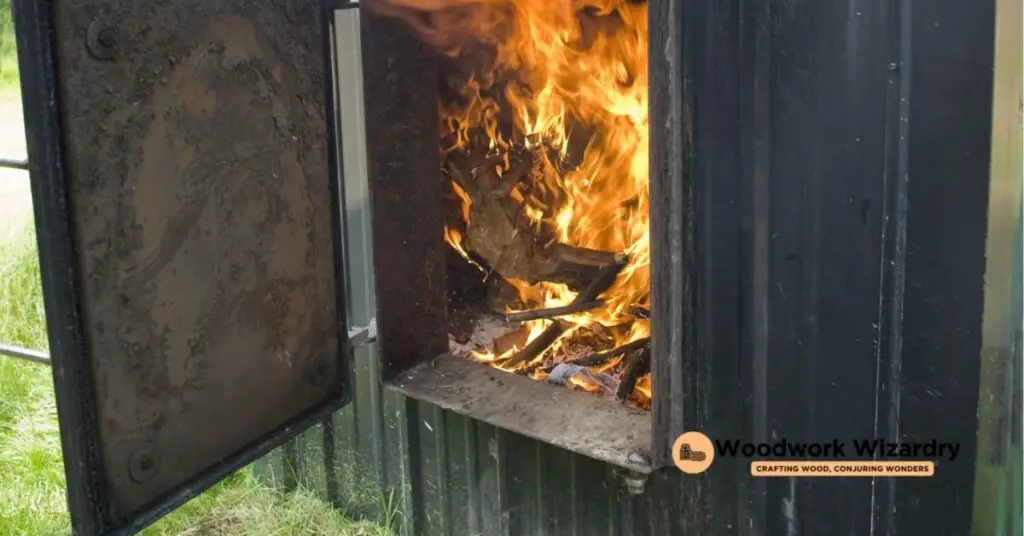
Wood boilers offer many benefits but come with challenges that could impact their effectiveness. Understanding these issues helps you make informed decisions about their maintenance and usage.

Exceptional Performance: The heat exchanger has a capacity of 67,500 Btu. Depending on the application, the heat exchanger can produce up to 360kBtu of heat per hour, with 12 aluminum fins and 3 rows of 3/8" seamless copper tubes per inch. The combination of wavy fins and seamless copper tubes, which enhanced contact areas both inside and outside the tubes, results in a 10-20 percent increase in heat transfer performance, maximizing heating or cooling efficiency
【Excepetional Performance】The heat exchanger has a capacity of 110,000 Btu. Depending on the application, the heat exchanger can produce up to 360kBtu of heat per hour, with 12 aluminum fins and 3 rows of 3/8" seamless copper tubes per inch. The combination of wavy fins and seamless copper tubes, which enhanced contact areas both inside and outside the tubes, increasing in heat transfer performance, maximizing heating or cooling efficiency.
Exceptional Performance: The heat exchanger has a capacity of 80,000 Btu. Depending on the application, the heat exchanger can produce up to 360kBtu of heat per hour, with 12 aluminum fins and 3 rows of 3/8" seamless copper tubes per inch. The combination of wavy fins and seamless copper tubes, which enhanced contact areas both inside and outside the tubes, increasing in heat transfer performance, maximizing heating or cooling efficiency
Maintenance Requirements
Regular maintenance is crucial for wood boilers to function efficiently. Cleaning ash and soot buildup from the combustion chamber and heat exchanger ensures optimal heat transfer. You’ll also need to inspect the chimney system periodically to prevent blockages or creosote buildup that can cause safety hazards. If neglected, these tasks can reduce heating performance and increase fuel consumption.
Fuel Availability
Consistent access to quality wood fuel is essential for effective operation. Depending on your location, sourcing firewood or wood pellets can take considerable effort. Seasonal demand may also affect supply, leading to higher prices or limited availability. Dry, seasoned wood is required for better combustion, so you might need storage space to stockpile wood in advance.
Installation Costs
Initial setup costs for wood boilers are often higher than conventional heating systems. Expenses include the boiler unit, chimney system, thermal storage tank, and installation labor. Outdoor models may also require underground piping, which can raise costs further. Over time, you may save money on fuel, but upfront investments can be important.
Choosing The Right Wood Boiler
Selecting the ideal wood boiler ensures efficient heating while meeting your exact needs. Consider the following key aspects before making a choice.

【COMPATIBILITY】Outdoor wood furnace seal fits for Classic 4030, 5036, 6048 model doors, Hydrofire models and Forge 1500, 3500 model doors. Central door gasket fits for cast door and steel door models if applicable.

KIT CONTAINS: Replaces Weil-McLain kit 386-500-085. Kit contains: rear refractory 591-000-060 wet pack, front refractory 591-000-061, floor blanket cut to size (replaces 591-221-235, 591-221-230, 591-221-230 and larger sizes), door rope, waterglass and instructions.
Factors To Consider
Evaluate your heating needs, including the size of the space you want to heat. Larger spaces typically require more powerful boilers, such as outdoor wood boilers. Look for features like efficiency ratings, fuel type compatibility, and ease of maintenance. Gasification boilers, for instance, offer high efficiency by utilizing wood gases for combustion. Investigate local conditions, such as wood fuel availability, to ensure a consistent fuel supply. Compare installation requirements, as some models may need additional infrastructure like thermal storage tanks or underground piping.
Importance Of Proper Sizing
A correctly sized wood boiler matches your heating demands for optimal performance. Oversized boilers may operate inefficiently, leading to wasted fuel, while undersized systems might struggle to meet heating requirements. Use heating load calculations to determine the necessary capacity for your home or commercial space. Outdoor wood boilers, often used for larger properties, provide higher output but involve more installation complexity. Residential units, such as pellet boilers, are better suited for smaller areas. Always factor in climate, insulation, and pipe lengths when sizing.
Expert Recommendations
Consulting professionals allows you to make informed decisions about wood boilers. Licensed installers can assess your home’s requirements, recommend models, and ensure safe installation. Look for brands with proven reliability and support options. Experts often suggest gasification models for efficiency and outdoor boilers for durability in harsh climates. Prioritize systems that include thermal storage tanks to enhance heat distribution and reduce fuel consumption. Seek guidance on proper maintenance practices, including ash removal and chimney inspections, for long-term performance.
Conclusion
Wood boilers offer an efficient and sustainable way to heat your home while reducing energy costs and environmental impact. By understanding how they work and choosing the right type for your needs, you can enjoy reliable warmth and greater energy independence. With proper maintenance and access to quality wood fuel, a wood boiler can be a long-term investment that enhances your comfort and aligns with eco-friendly living.


【Fit For】Wood stove seal rope fit for Classic 4030, 5036, 6048 model doors, Hydrofire models, and Forge 1500, 3500 model doors. For cast door and steel door models if applicable. Forge 1500/3500- uses 6.5 ft Classic 4030/5036- uses 8 ft Classic 6048- uses 9 ft.

【POWERFUL 120W PURE COPPER MOTOR】 Engineered for endurance, our industrial blower fan features a robust pure copper motor that delivers high-speed performance (2600R/Min) and a substantial 196CFM air volume. This high velocity fan is designed to provide strong wind power for effective ventilation and heat dissipation.