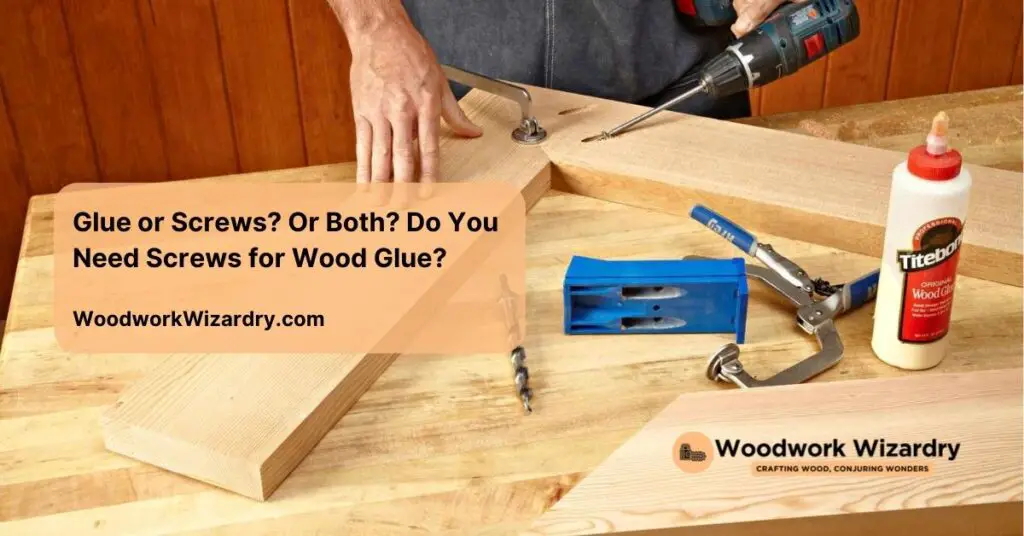
When it comes to woodworking, the strength and durability of your project depend on the choices you make. One of the biggest debates is whether wood glue alone is enough or if screws are essential to hold everything together. You’ve probably wondered if combining both offers the ultimate solution or if it’s just overkill.
The truth is, your decision can make or break your project—literally. Using the right method ensures your work stands the test of time without unnecessary effort or expense. So, do you stick with glue, rely on screws, or combine the two? Let’s jump into what works best for your next woodworking masterpiece.
Understanding The Strength Of Wood Glue
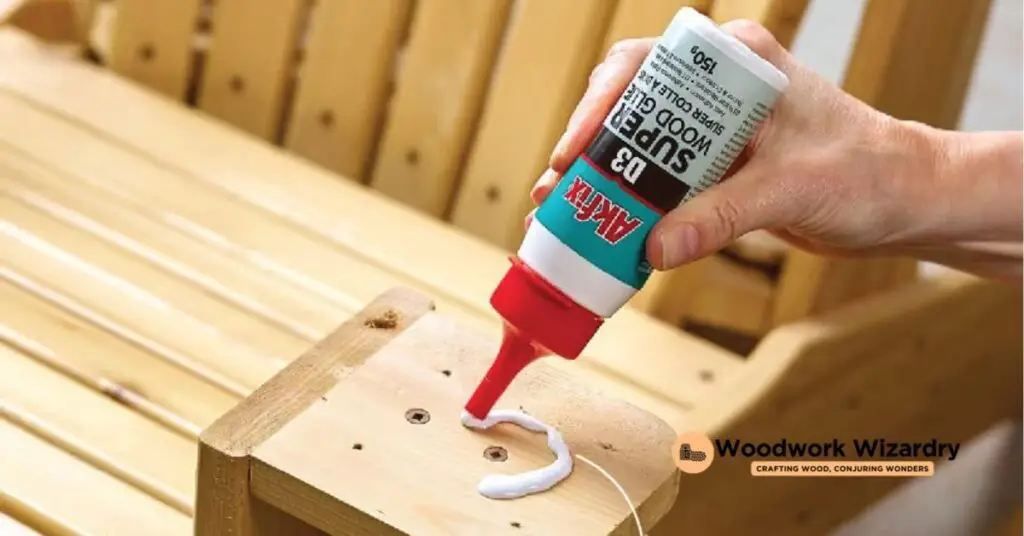
Wood glue plays a important role in woodworking projects by creating strong, lasting bonds between materials. Its performance varies depending on the type of glue and its application.

This item is a Franklin International 5063 Titebond Original Wood Glue, 8-Ounce
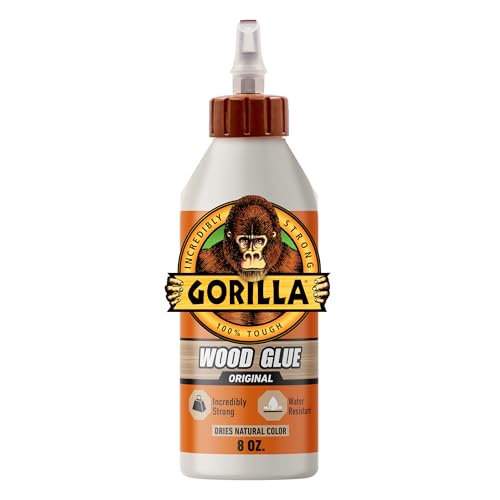
Complete Projects Fast: Requires only 20-30 minutes of clamp time; fully cured in 24 hours. Quickly creates an incredibly strong bond for wood projects.

Complete projects fast: Our wood glue only requires 20-30 minutes of clamp time and is fully cured in 24 hours
How Wood Glue Works
Wood glue bonds surfaces by penetrating the fibers of the wood and hardening as it dries. This creates a strong adhesive layer that holds pieces together. It functions best on clean, smooth, and tightly-fitted surfaces, as gaps reduce adhesion strength. When used correctly, wood glue provides structural integrity by distributing force evenly across the glued area. But, mechanical fasteners like screws or nails reinforce connections where extra support or stress resistance is needed.
Different Types Of Wood Glue
Certain types of wood glue cater to exact woodworking needs. PVA glue, commonly used, offers a strong bond for indoor projects. Epoxy glue resists moisture, making it ideal for outdoor and high-stress environments. Polyurethane glue expands into joints, filling gaps where precision cutting is lacking. Hide glue allows adjustments during assembly and is often chosen for antique restoration due to its reversibility. Matching the glue type to the project conditions ensures optimal bonding and durability.
When To Use Screws With Wood Glue
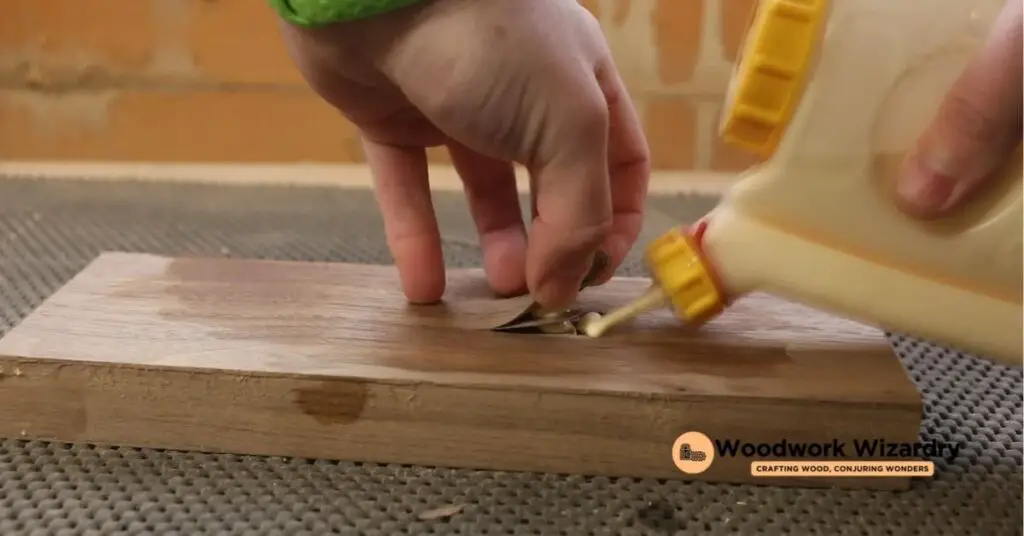
Combining screws with wood glue can enhance durability and stability in woodworking projects. Each method serves distinct purposes, and their synergy often results in stronger joints.

JB WOODWELD: Is a fast setting two-part epoxy system formulated for wood bonding and repairs. It provides a lasting permanent bond that is stronger than the wood!
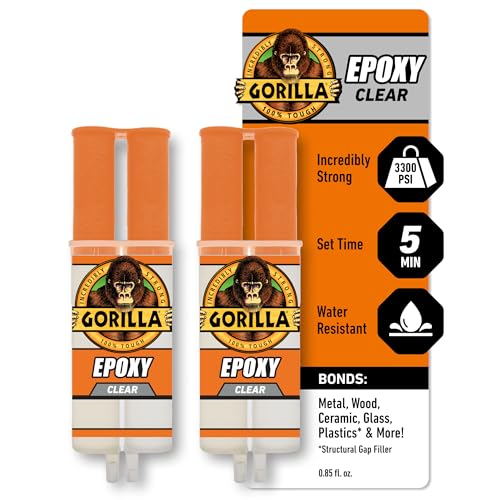
Dries clear: Our Gorilla Tough epoxy resin dries clear for a clean finish and incredibly durable hold; perfect for household and automotive repairs

Use indoors or outdoors: Give your indoor or outdoor projects a Gorilla Tough bond with waterproof Ultimate Gorilla Wood Glue (passes ANSI/HPVA Type I), our most durable wood glue
Benefits Of Using Screws Alongside Wood Glue
Screws add mechanical strength, reinforcing the adhesive bond from wood glue. Projects like furniture or shelving often benefit from this combination, ensuring the joints withstand heavy loads over time.
Glue, while effective at bonding, lacks immediate fixation during drying. Screws keep pieces securely aligned as the glue cures, avoiding misalignment. For complex assemblies, this dual approach simplifies the construction process.
Stress-prone areas, such as corners or load-bearing sections, become more resilient. Glue fills microscopic gaps for seamless bonding, while screws add extra hold against shear forces.
Situations Where Screws Are Essential
Certain projects demand screws due to structural needs. Large items like tables or cabinets rely on screws, especially where glue alone might fail under pressure. Both methods together ensure long-term performance.
Unfavorable conditions, like exposure to moisture or temperature changes, challenge wood glue bonds. Screws reduce vulnerability, preventing joints from loosening over time.
Temporary applications or adjustable components often need screws. Areas intended for future modifications retain flexibility through screws, even when reinforced with glue.
Glue Or Screws: Which Is Better?
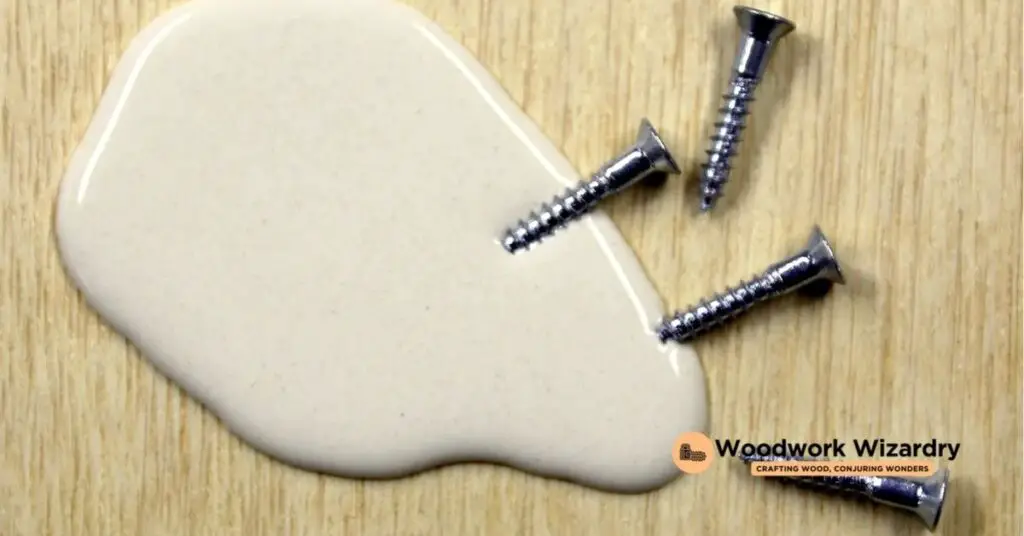
Choosing between glue or screws depends on the requirements of your woodworking project. Each option offers distinct advantages but also carries limitations based on use cases and material interactions.

Gorilla tough: Gorilla Wood Filler is the go-to product for strong water resistant repairs on cracks, gouges and holes

Anti-clogging cap:Convenient to use without waste
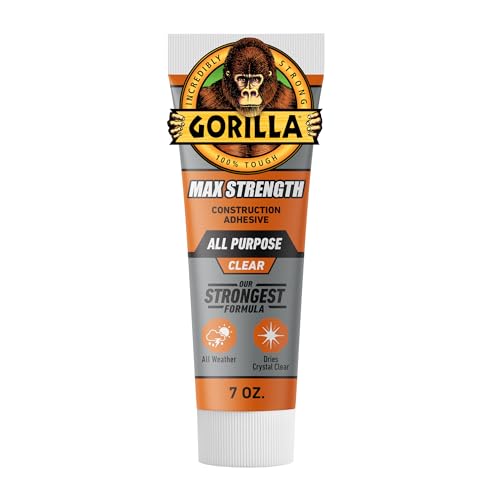
OUR STRONGEST FORMULA: Maximum bond strength with a clear, professional finish for projects that demand maximum hold indoors and out
Pros And Cons Of Using Glue Alone
Wood glue creates strong bonds by penetrating fibers and hardening at the joint. It excels in spreading the load evenly across surfaces, reducing stress points. Glue is ideal for furniture where seamless edges or invisible joins are essential, such as tabletops or brackets.
But, glue takes time to cure and relies heavily on surface preparation. If materials aren’t clean or fit snugly, the bond’s integrity weakens. Glue also doesn’t resist shear forces well, limiting its use in areas subject to stress or movement. Environmental factors like moisture can further degrade glue, especially with water-based varieties like PVA.
Pros And Cons Of Using Screws Alone
Screws provide instant mechanical strength and don’t require curing times. For projects needing high structural integrity, like shelves or cabinets, screws hold materials securely under stress. They’re versatile for assembling dissimilar materials, enabling secure attachment without adhesives.
Their main drawback lies in visible fastener heads disrupting aesthetic appeal. Over-reliance on screws can also create stress points that might crack wood under heavy loading. Without additional support like glue, screws won’t fill micro-gaps, leaving joints less airtight or seamless. Moisture or temperature shifts can loosen screws over time, compromising stability.
Combining Glue And Screws For Maximum Strength
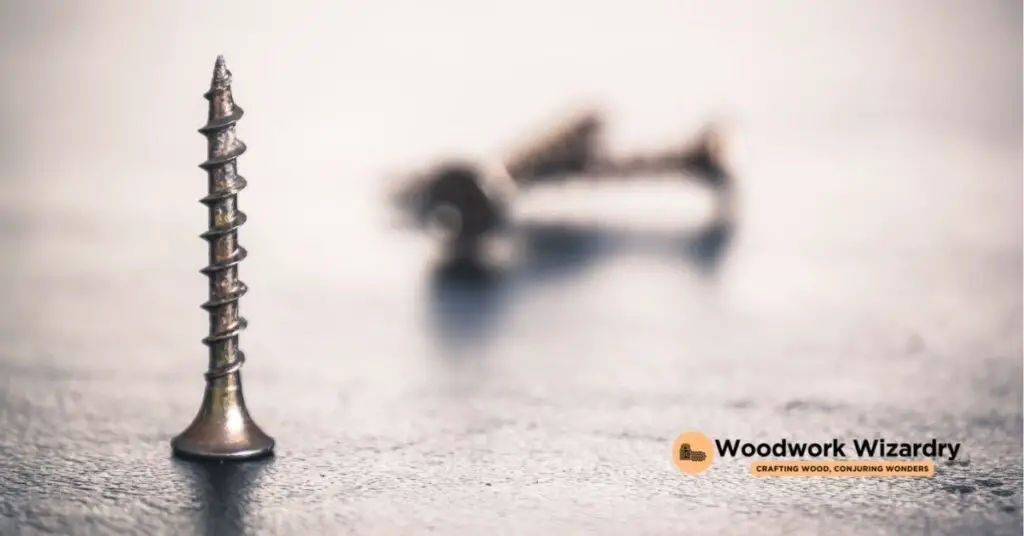
Pairing glue and screws ensures enhanced durability and stability in woodworking projects. This combination integrates the adhesive strength of wood glue with the structural support of screws, resulting in a robust and reliable assembly.

INSTANT BOND IN SECONDS : No more waiting for hours or clamping overnight. Our advanced wood glue formula sets in just 10-45 seconds, making it ideal for quick furniture repairs and fast-paced woodworking projects. Achieve a full cure in 24 hours for permanent stability.

15-45 SECOND INITIAL BOND — PRESS & HOLD: Delyoisy wood glue achieves initial set in 15-45 seconds after application.The bond will hold parts in place immediately, but allow 24 hours for full cure before subjecting to stress or load. Proper curing ensures maximum bond strength and durability for your woodworking projects.
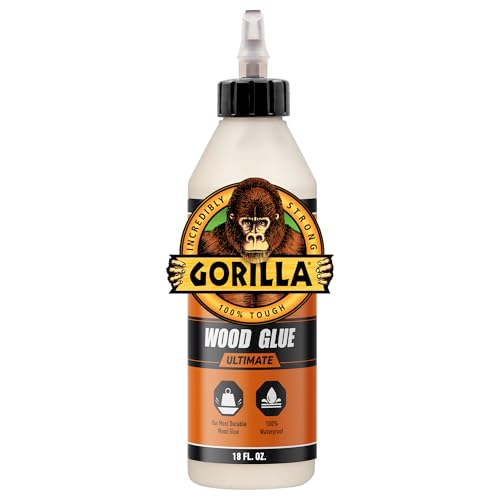
MOST DURABLE WOOD GLUE: 100% waterproof Ultimate formula bonds hardwoods, softwoods, and natural wood composites and withstands exposure to water, sun, and extreme temperatures
The Best Practices For Combining Both
Apply glue to clean, properly fitted surfaces to create a strong adhesive bond. Predrill holes for screws to prevent wood splitting and to maintain precision. Tighten screws adequately while the glue is still wet, as this allows for better alignment and stronger contact. Use clamps to hold pieces in place during curing, particularly for joints requiring high accuracy. Incorporate countersinks for screw heads if aesthetics are a priority. In moisture-prone areas, use waterproof glue like polyurethane and rust-resistant screws for long-term durability.
Common Mistakes To Avoid
Skipping surface preparation weakens glue bonds. Over-tightening screws leads to stripped holes or cracked wood. Ignoring the size of screws can cause alignment issues, so always select the appropriate size for your materials. Mixing incorrect glue types with incompatible screws reduces overall effectiveness, such as using indoor glue in external applications. Failing to allow glue to fully cure before applying stress can compromise the bond, especially for weight-bearing projects.
Factors To Consider When Choosing Glue Or Screws
Selecting between glue, screws, or both depends on various factors influencing the strength and longevity of your woodworking project. Each method offers distinct advantages based on the materials, design, and stress levels involved.

【VARIOUS SIZES】FIXLINK wood screws assortment kit provides you with 8 common sizes from short to long. Contains #6 X 1/2", 5/8" and #8 x 3/4", 1", 1-1/4", 1-1/2", 2", 2-1/2". The wood screws set and M7 screw anchors meet your daily needs

【Durable & Corrosion-Resistant Carbon Steel Construction】 – Made from high-quality carbon steel with a black phosphate finish, these #6 wood screws offer excellent rust and corrosion resistance. Engineered for strength, they resist bending and breaking during normal use, ensuring reliable performance for woodworking, drywall installation, and cabinet hardware projects.

Pro-Grade Quality: Wmmifck wood screws are made of 1022A carbon steel. The Phillips flat head ensures a firm grip and prevents slippage. Deep, sharp threads and points easily penetrate wood. The black phosphate coating provides great anti-rust performance
Type Of Wood And Project Requirements
Different wood types react uniquely to glue and screws. Softer woods like pine compress easily, which makes screws more effective as they provide mechanical grip. Denser hardwoods like oak or maple bond well with wood glue since the adhesive can penetrate the wood fibers effectively. Consider the project’s purpose when making your choice. Decorative items or intricate woodworking often rely on glue for seamless finishes, while structural projects like shelving or furniture frames benefit from screws for durability. Combining both methods is ideal for large-scale items such as cabinets or tables where strength and alignment are critical.
Durability And Long-term Stability
The expected lifespan of your project should impact your decision. Glue offers exceptional bonding for static components, especially for joints designed to handle compressive stress. Screws provide additional mechanical reinforcement, making them ideal for areas that endure constant movement or load. High-stress connections like corners or supports often benefit from the strength of screws paired with glue. Environmental factors, including humidity or temperature fluctuations, can weaken glue bonds over time. In these conditions, screws act as a fail-safe to maintain stability. Heavy-use projects demand the added security provided by both methods for maximum performance.
Conclusion
Choosing between wood glue, screws, or a combination of both depends on your project’s exact needs. By understanding the strengths and limitations of each method, you can make informed decisions that enhance the durability, strength, and overall quality of your work. Whether you’re crafting furniture, assembling cabinets, or tackling a DIY project, using the right technique ensures long-lasting results.
Pay attention to factors like material type, stress levels, and environmental conditions to determine the best approach. With proper preparation and execution, your woodworking projects will stand the test of time while meeting both functional and aesthetic goals.

An Aliphatic Resin Glue. Features The Tack, Toughness And Durability Of Liquid Hide Glue. Equal Or Superior To Any Other Glue In Strength And Versatility. Is Not Waterproof. Comes In Plastic Container

Strong Adhesion & Dries Clear: Boncart high-strength wood glue is specially designed for woodworking projects. It has excellent adhesion properties, ensuring seamless bonding with wood surfaces and long-lasting adhesion. It dries clear, leaving no visible glue lines, and maintains the natural beauty of the wood.

Exremely Fast Setting Formula: High-solids PVA adhesive delivers a rapid 15-minute clamp time, boosting productivity on cabinetry, furniture, trim, and general woodworking projects.