

Trimming hedges can often feel like a daunting task, especially when they’ve grown a little too wild for our liking. But what if we told you there’s a quicker way to get those hedges back in shape? That’s right, using a chainsaw might not be everyone’s first thought, but it’s a game-changer for tackling overgrown hedges efficiently.
We know what you’re thinking—using a chainsaw for hedges sounds intense, and maybe a bit intimidating. But don’t worry, we’re here to guide you through the process. With the right approach and safety measures in place, you’ll find that cutting hedges with a chainsaw isn’t just effective, it can also be safe and satisfying. Let’s dive into how to make your hedge trimming experience a breeze.
Preparing to Cut a Hedge With a Chainsaw
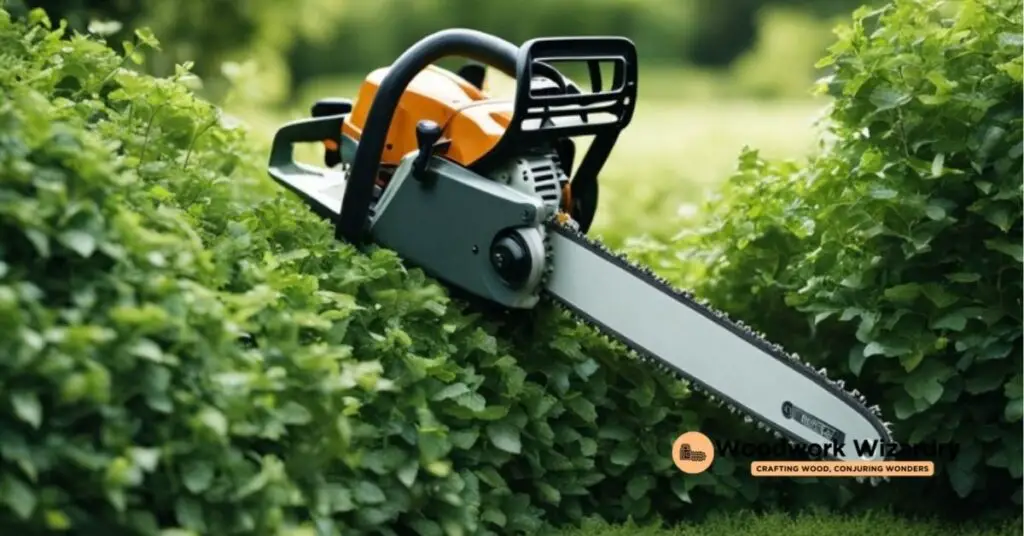
Moving on from the basic introduction to cutting hedges with a chainsaw, it’s crucial to focus on the preparation steps to ensure safety and efficiency. Preparing adequately sets the stage for a successful hedge trimming session.

Husqvarna Classic Personal Protective Power Safety Kit includes: one pair of Husqvarna classic chaps (homeowner) (36 to 38 inches, 32-inch inseam), one Husqvarna functional forest helmet, and one pair of Husqvarna classic work gloves (large)

MAXIMUM SAFETY THAT MEETS PROFESSIONAL STANDARDS - Forester Chainsaw Chaps meet OSHA 1910.266 standards for chainsaw operators, ASTM F1897 specifications for leg protection, and CAN/BNQ 1923-450 M91 39JY CLASS B safety standards - giving you the same level of protection trusted by professional loggers and arborists.

Safety Gear Necessary
To ensure safety while using a chainsaw, equipping yourself with the proper gear is non-negotiable.
- Wear protective clothing, including long pants and sleeves to protect the skin from debris.
- Safety glasses protect the eyes from flying chips and dust.
- Ear protection minimizes the risk of hearing damage due to the chainsaw’s noise.
- Gloves provide a better grip and protect the hands.
- Hard hats shield the head from potential impacts.
- Steel-toed boots offer protection for the feet against heavy branches and the chainsaw itself if dropped.
Inspecting the Chainsaw
Before starting the chainsaw, a thorough inspection ensures it’s in good working condition, preventing potential malfunctions during operation.
- Check the chain tension to ensure it’s neither too tight nor too loose.
- Inspect the chain sharpness; a well-sharpened chain makes cutting easier and safer.
- Verify the fuel and oil levels are adequate for the task at hand. Refill if necessary.
- Ensure all safety features, like the chain brake, are functioning properly.
Preparing the Work Area
A clean and clear work area reduces the risk of trips and falls, making the hedge trimming process smoother.
- Remove any obstacles from around the hedge that could interfere with movement or pose a tripping hazard.
- Mark the area with safety signs if working in a place where bystanders might accidentally come close.
- Plan your cuts by visually inspecting the hedge. Identify which sections need trimming and the best angles for cutting. This approach minimizes unnecessary cuts and preserves the health of the hedge.
Understanding the Basics of Using a Chainsaw
Given our preparation, including the appropriate safety gear, equipment inspection, and workspace preparation, we now move on to acquaint ourselves with the fundamentals of operating a chainsaw. This knowledge ensures we can proceed with cutting hedges efficiently and safely.

8-Layer Protection: Our chainsaw chaps feature a robust design with 6 layers of cutting-resistant fabric and 2 layers of cushioning fabric. Stopping the rotation of the chainsaw chain by blocking the sprocket system effectively, providing enhanced protection for the wearer.

8-Layer Protection: The technical 8-layer protective material (6-layer in other designs) effectively safeguards chainsaw operators’ legs during logging operations. It delivers exceptional cut resistance to slow and stop a running chain.

New Notch Apron Style Chainsaw Chaps offers ankle to crotch (Type A) chainsaw frontal protection in a High-Vis Safety Orange color with a left front velcro wedge pocket. Medium Size: 32" length (OUTSEAM measured from top of waistband)
Starting a Chainsaw
To start a chainsaw, first, ensure it’s on a flat and stable surface. Engage the chain brake by pushing it forward to lock the chain, preventing it from moving. Move the choke to the “start” position if the engine is cold. For most models, you’ll need to pull the start cord sharply until the engine fires. After the initial fire, push the choke in slightly, then pull again until the engine starts. For a warm start, simply bypass the choke step. Let the engine idle for a few moments to warm up, then release the chain brake and you’re ready to begin.
Holding a Chainsaw Correctly
Holding a chainsaw properly enhances control and safety. Always use both hands: grasp the rear handle with your right hand and the front handle with your left hand, thumbs wrapped firmly underneath. Maintain a balanced stance by positioning your feet shoulder-width apart. Bend your knees slightly, and lean into the cut, positioning your body to the side of the chainsaw’s path to avoid kickback. This position maximizes control and reduces fatigue, allowing for precise cuts.
Making Your First Cut
Once comfortable with starting and holding the chainsaw, it’s time to make the first cut. Begin with light branches to gain confidence. Position the chainsaw so that you’re cutting with the blade close to the engine, ensuring stability and control. For safety, always cut at waist level or below to maintain control and visibility. Apply gentle pressure and let the chainsaw do the work—forcing it can lead to kickback or uneven cuts. After completing a cut, release the throttle and let the chainsaw stop fully before moving it away from the hedge. Remember, practice makes perfect, and starting with simpler cuts will build your skill for more complex hedge trimming tasks.
Step-by-Step Guide: How to Cut a Hedge With a Chainsaw
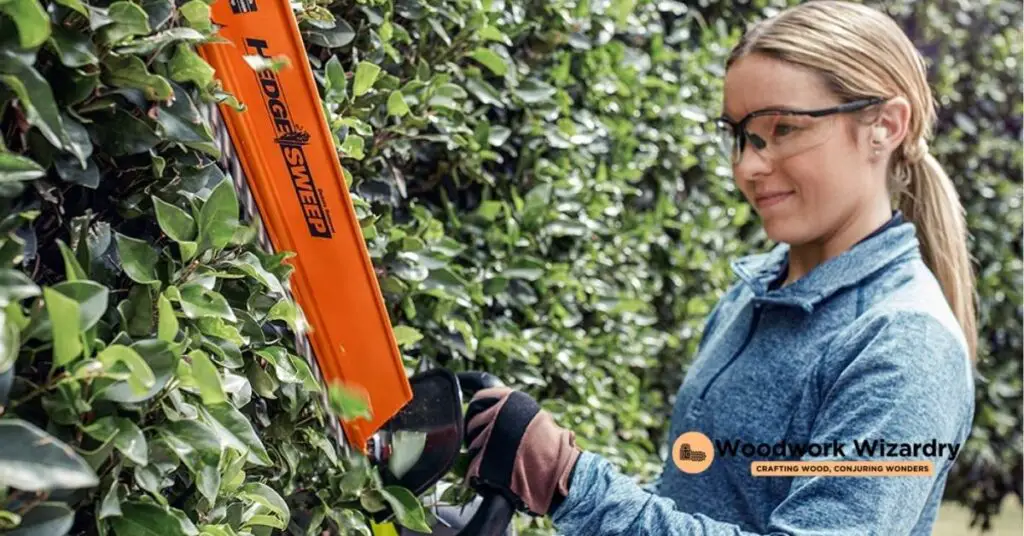
Building on the foundation of safety and preparation, we now delve into the practical steps of trimming hedges with a chainsaw. Our aim is to make this process as seamless and effective as possible.

This portable universal chainsaw sharpening kit by Oregon makes it easy to keep your chainsaws, pole saws, and other tools sharp and ready to go

Includes one Chainsaw Sharpening Kit for filing chainsaw chains with a .325" Pixel Pitch, including the Husqvarna SP33G X-Cut chain

Package Included:3 pieces chain saw sharpening files, a chainsaw chain that is not sharp can have a negative impact on your work efficiency;Having our chainsaw files will effectively sharpen your chainsaw, making your work more accurate and extending the life of your chainsaw chain
Assessing the Hedge Shape and Density
Firstly, we examine the hedge to understand its shape and density. This step determines the cutting strategy, ensuring the hedge maintains its health and appearance. Look for thick branches that may require special attention, and gauge the overall density to anticipate the chainsaw’s movement through the hedge.
Planning Your Cutting Technique
Next, we decide on the cutting technique. For thick, dense hedges, a slow, steady approach works best to prevent snagging and ensure a clean cut. If the hedge is less dense, we can employ a more straightforward, sweeping motion. Planning includes visualizing the desired end shape of the hedge, which guides the cutting direction and sequence.
Starting from the Bottom: How to Begin
We begin cutting from the bottom of the hedge. Starting low allows us to shape the hedge effectively and prevents the chainsaw from getting entangled in the upper branches. Gently introduce the chainsaw blade into the hedge, making smooth, controlled cuts. Moving slowly ensures accuracy and minimizes damage to the hedge.
Working Your Way Up: Techniques and Tips
As we progress upward, maintaining control and balance becomes crucial. We keep the chainsaw at a consistent level, adjusting our stance to stay comfortable and safe. Utilizing a pattern—either vertical or horizontal strokes—helps maintain an even trim. Regularly stepping back to check the hedge’s shape ensures we’re on track with our intended design.
Finishing Touches for a Neat Hedge
To conclude, we apply finishing touches. This involves trimming any uneven or stray branches that disrupt the hedge’s desired shape. Smoothing out the top and sides with careful, light strokes gives the hedge a neat, well-maintained appearance. Lastly, we clear away all the cut branches and debris, leaving the area tidy and the hedge looking its best.
Tips for a Cleaner Cut
Achieving a cleaner cut when trimming hedges with a chainsaw involves precision and the right techniques. We dive into the essential tips that ensure neat and effective trimming results.

Impact resistant helmet with 6 ventilation holes for high breathability

【Forestry Helmet System with Accessories】:GREEN DEVIL 3 in 1 safety helmet comes with ABS helmet, adjustable/removable earmuffs, and mesh visor, providing dynamic protection for any job.Equipped with a pair of 25 dB NRR earmuffs that help block out tool and engine sound noise for hearing protection.Easy flip-up metal mesh provides good visibility and debris protection.The accessories is easy to assemble,come with detailed installation instructions.

Includes one Husqvarna 592752601 Chainsaw Helmet with HDPE Shell, Face Shield, Ear Muffs and Sun Peak (Neck guard must be purchased separately)
Using the Right Blade
Selecting the appropriate blade for a chainsaw maximizes efficiency and cleanliness of the cut. Blades designed for hedge trimming feature teeth configurations that slice through branches smoothly, minimizing damage to the plant. Opt for a blade with a tooth spacing compatible with the thickness of the hedge branches. This selection ensures that the chainsaw cuts through the material effortlessly, leaving behind a clean and healthy cut that promotes hedge recovery and growth.
Maintaining a Steady Speed
Operating the chainsaw at a steady speed plays a crucial role in achieving a cleaner cut. A consistent speed ensures that the blade moves through the hedge without snagging or tearing, which can result in uneven and ragged edges. Begin cutting at a moderate speed, adjusting as necessary to accommodate the hedge’s density. Keeping the speed steady allows for more precise cuts and contributes to the overall neat appearance of the hedge.
The Importance of Breaks
Taking regular breaks during the trimming process serves multiple benefits, especially in achieving cleaner cuts. Breaks allow the operator to assess progress, plan subsequent cuts, and make necessary adjustments. Moreover, they prevent the chainsaw from overheating, which can affect performance and the quality of the cut. During these intervals, operators can also clean the blades from any debris that might hinder the cutting efficiency. Implementing pauses in the work further ensures the safety of the operator by reducing fatigue and maintaining alertness throughout the trimming process.
Troubleshooting Common Chainsaw Issues

In our journey to achieve a beautifully trimmed hedge, encountering chainsaw issues is a possibility we must be prepared for. Below, we outline solutions to some common problems that might arise, ensuring your hedge trimming project stays on track.
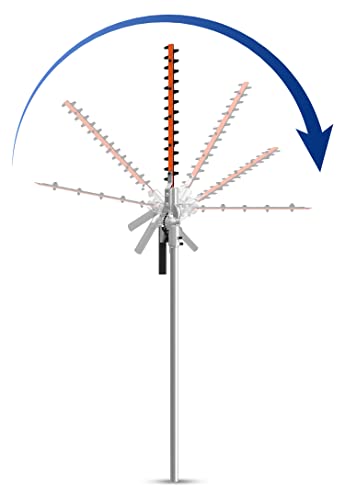
16-INCH DUAL ACTION BLADE: The 16-inch, dual-action blade delivers powerful trimming with a ¾-inch cutting capacity to tackle any hedge size that comes your way.COMPATIBILITY WARNING: For gas-powered tools only. Not for battery-powered tools. Risk of damage if misused

CAUTION: Please LUBRICATE THE BLADE before your first use;

package include: 1 x Hedge Trimmer Straight Shaft Attachment of box
The Chainsaw Won’t Start
Diagnose a chainsaw that refuses to start by checking the fuel, air filter, and spark plug. Ensure the chainsaw has fresh fuel in it; fuel that’s been sitting in the chainsaw for an extended period may become stale and prevent starting. Inspect the air filter for clogs; a dirty air filter can restrict airflow to the engine, making it hard to start. Lastly, examine the spark plug; it should be clean and properly gapped to produce the necessary spark for ignition. If the spark plug appears damaged, replace it.
The Cut Isn’t Clean or Even
Achieving a clean and even cut is paramount. Sharpen the chainsaw blade if cuts become uneven or jagged. Dull blades tear rather than slice through the hedge, leading to unclean cuts. Additionally, adjust the blade tension. A blade that’s too loose or too tight can also affect cut quality. Ensure the cutting speed is consistent; varying speeds can result in uneven cuts. Following these steps helps ensure cuts are clean and hedges look their best.
Chainsaw Stalls Mid-Cut
If the chainsaw stalls during cutting, check the fuel mixture and clean the air filter. An incorrect fuel-to-oil ratio can cause the engine to stall under load. Ensure the mixture follows the manufacturer’s recommendation. A clogged air filter may impede engine performance, leading to stalling. Cleaning or replacing the air filter ensures the engine receives the necessary air flow for optimal operation. Inspecting these areas promptly can mitigate stalling issues, allowing for a smooth hedge trimming process.
Maintaining Your Chainsaw After Use
After a day’s work of trimming hedges, it’s crucial to maintain the chainsaw for its long-term performance and safety. Let’s guide you through the essentials of chainsaw maintenance after use.
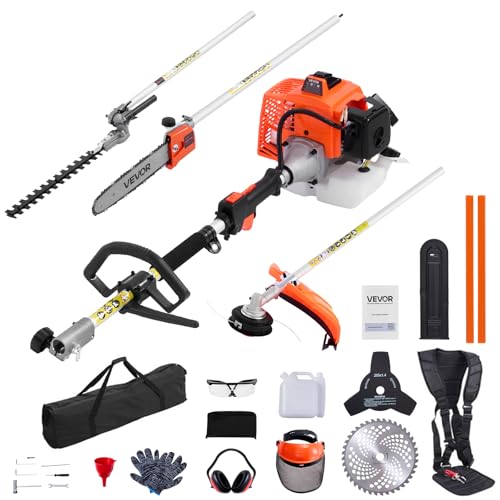
5-in-1 Multi-Function: Our gas hedge trimmer includes hedge trimmer, string trimmer, brush cutter (3T & 40T blades) and pole saw, covering all yard tasks such as lawn edging, thick branch cutting, and high hedge trimming

Gas Chainsaw & Hedge Trimmer 7-in-1 Multi-Tool: VEVOR 7-in-1 kit combines hedge trimmer, string trimmer/weed eater, brush cutter (3T & 40T), edger, and pole saw/chain saw, covering lawn edging, thick-branch cutting, and high-hedge trimming—your all-in-one garden tools solution.

COMPREHENSIVE SAFETY FEATURES: The versatile safety helmet comes with helmet, adjustable/removable 25.9 dB SNR ear protectors, mesh visor, and helmet headgear, specifically designed to provide impeccable protection for your head, face, eyes and ears, ensuring you can stay focused on the task at hand. The bright orange color increases visibility, which is a safety plus, especially when working in areas with other people around.
Cleaning the Chainsaw
Start by removing debris from the chainsaw’s body. Use a soft brush to gently remove particles from the cooling fins, air intake area, and chain sprocket cover. Clearing these areas prevents overheating and ensures that the chainsaw operates efficiently. Apply a mild degreaser and a rag to wipe down the exterior, including the handle and motor casing, if your chainsaw is electric. For the chain and bar, use a specialized cleaner to remove sap and resin buildup, ensuring they remain in optimal condition for your next hedge trimming session.
Checking and Replacing the Chain
Inspect the chain for signs of wear, such as dull teeth, cracks, or damaged links. A sharp chain is imperative for effective and safe cutting. Use a file to sharpen the teeth if they are merely dull. Follow the manufacturer’s instructions to maintain the correct angle. Replace the chain immediately if you notice any cracks or severely damaged links. Ensure the new chain matches the size and type of your chainsaw for compatibility.
Storing Your Chainsaw Properly
Store your chainsaw in a clean, dry place away from direct sunlight and extreme temperatures. Draining the fuel tank after use is recommended for those who don’t plan to use the chainsaw for an extended period, as it prevents the fuel from degrading and damaging the engine. Wrap the chain and bar with a protective cover to safeguard them from dust and moisture. Storing your chainsaw properly ensures it remains in good condition and ready for your next hedge trimming task.
Common Mistakes to Avoid

In our journey to maintain a beautifully trimmed hedge with a chainsaw, it’s vital to highlight some common pitfalls that could hinder our progress or pose safety risks. Steering clear of these mistakes not only ensures a smoother trimming process but also promotes longevity for our tools and safety for ourselves and the environment.

Note: Please check the size before purchase to see if it fits your size. Premium Material:The outer fabric of the chainsaw chaps is composed of durable oxford polyester.The durable chainsaw protective chaps perfectly suitable for forestry work

MAXIMUM SAFETY THAT MEETS PROFESSIONAL STANDARDS - Forester Chainsaw Chaps meet OSHA 1910.266 standards for chainsaw operators, ASTM F1897 specifications for leg protection, and CAN/BNQ 1923-450 M91 39JY CLASS B safety standards - giving you the same level of protection trusted by professional loggers and arborists.
MAXIMUM SAFETY THAT MEETS PROFESSIONAL STANDARDS - Forester Chainsaw Chaps meet OSHA 1910.266 standards for chainsaw operators, ASTM F1897 specifications for leg protection, and CAN/BNQ 1923-450 M91 39JY CLASS B safety standards - giving you the same level of protection trusted by professional loggers and arborists.
Cutting Too Aggressively
Cutting Too Aggressively often results in uneven surfaces and can significantly harm the health of the hedge. When we apply excessive force, the chainsaw might tear through the branches instead of slicing cleanly, leaving jagged edges that make the hedge more susceptible to diseases. A gentle approach ensures cleaner cuts, promoting healthier regrowth and a more aesthetically pleasing hedge.
Ignoring Safety Precautions
Ignoring Safety Precautions easily stands out as a critical mistake. Safety gear, such as gloves, goggles, and hearing protection, is indispensable. Forgetting to wear appropriate protective clothing exposes us to potential injuries from flying debris or accidental contact with the chainsaw blade. Moreover, operating the chainsaw without securing the area can lead to accidents, involving bystanders. Ensuring a secure and well-prepared environment prioritizes our safety and that of others around us.
Forgetting to Check for Nesting Wildlife
Forgetting to Check for Nesting Wildlife can have detrimental effects on local ecosystems. Hedges often serve as homes for birds, small mammals, and beneficial insects. Starting a trimming project without a preliminary check threatens these creatures’ habitats, potentially harming them or leading to their displacement. A thorough inspection allows us to protect these animals, ensuring our gardening efforts are environmentally friendly and ethical.
Conclusion
We’ve walked through the essentials of using a chainsaw for hedge trimming, from the critical importance of safety to the nuances of achieving that perfect cut. It’s clear that with the right approach and mindfulness of common pitfalls, we can maintain our hedges effectively while ensuring our safety and that of our environment. Let’s keep these tips in mind and approach our next trimming task with confidence and care. Together, we’ll keep our gardens looking great and our green thumbs even greener.
Related Posts:
- Can You Put a Longer Bar on Your Chainsaw? Compatibility & Installation Guide
- Step-by-Step Guide: How to Adjust Chainsaw Carburetor for Optimal Performance
- Ultimate Guide: How to Clean Your Chainsaw Carburetor for Peak Performance
- Safe Hedge Trimming: How to Cut Hedge with Chainsaw & Avoid Mistakes
- Ultimate Guide: How to Measure Chainsaw Bar Chain for Optimal Use
- How to Start a Poulan Chainsaw: A Step-by-Step Guide
- Understanding Chain Pitch: Essential for Smooth Machinery Operation
- Beginner’s Guide to Chip Carving: Tools, Techniques, and Tips

Complete Set: The set includes 4 chain saw files with sizes 5/32" (4.0 mm), 3/16" (4.8 mm), and 7/32" (5.5 mm), 6" flat file, depth gauge, filing guide tool, quick check gauge and bar groove gauge. The saw files are about 8 inches long (12 inches including the handle), which is sufficient to ensure optimal sanding efficiency.

ALL IN ONE KIT: - The 12-piece complete chainsaw sharpening file kit includes all the field tools you may need to bring your chainsaw back to its optimal condition. Even if you are a beginner, it's easy for you to learn how to sharpen your own saw. The orange pouch has high visibility and portability, you can sharpen anytime and anywhere

Chainsaw Sharpening Kit: Sharp Pebble electric chainsaw sharpener kit comes with - Chainsaw Tool (120V), Chainsaw Angle Guide attachment, Wrench, 4 File Size Sharpening Wheel Bits: 5/32”, 3/16”, 7/32” & 7/32” which will help sharpen any of the chains out there.