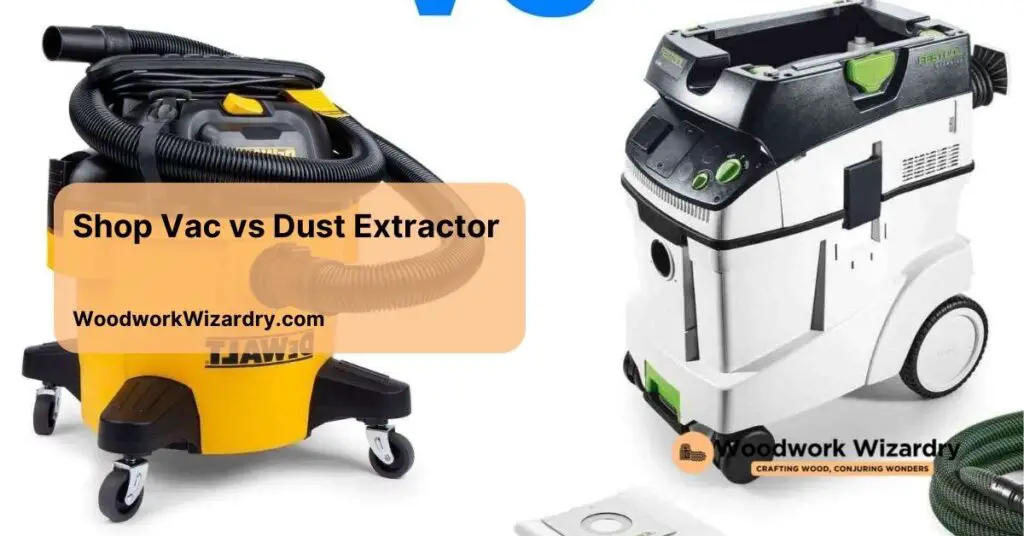
When it comes to keeping your workspace clean and safe, choosing the right tool makes all the difference. Whether you’re tackling sawdust in a woodworking shop or cleaning up debris after a DIY project, you need a solution that gets the job done efficiently. That’s where the debate between shop vacs and dust extractors comes in. Both are powerful tools, but they serve different purposes—and picking the wrong one could leave you frustrated and your space still a mess.
So, how do you decide which is right for you? It all comes down to understanding your exact needs. A shop vac might seem like the go-to for heavy-duty cleanup, but a dust extractor offers precision and filtration that can elevate your work. Stick around, and you’ll discover which tool fits your projects, saves you time, and keeps your air cleaner than ever.
Shop Vac Vs Dust Extractor: Key Differences
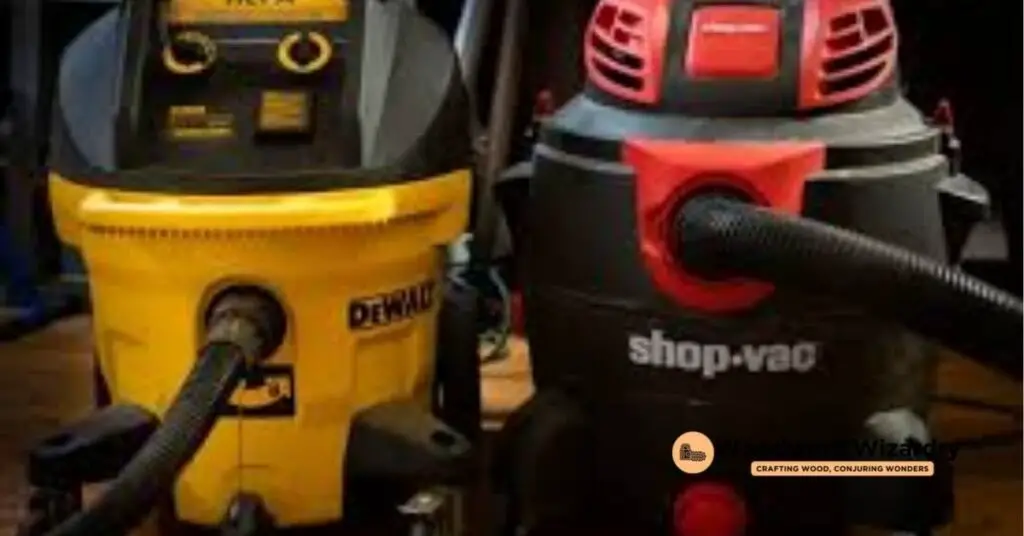
Selecting between a shop vac and a dust extractor depends on understanding their core differences. Each tool specializes in handling exact tasks, suited to varying workspace needs.

❤【LARGER CAPACITY】Stanley SL18116P Wet / Dry Vacuum has a larger capacity over 22 L, makes small clean-up jobs a breeze for you as you don’t have to empty the bucket frequently any more.Runtime: 300.0 hours

HEPA rated wet-dry filter traps with 99.97% efficiency at 0.3 microns
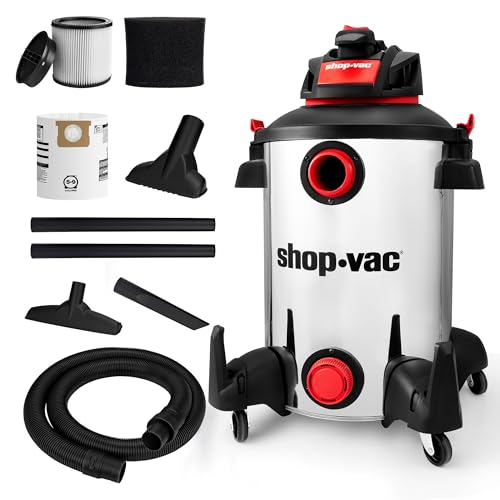
3-in-1 Multi-Function: Peak 6 HP for strong wet/dry suction and 100 CFM blower. Cleans dust, debris, wood chips, sewage, or blows leaves and patio mess with ease.
Functionality And Performance
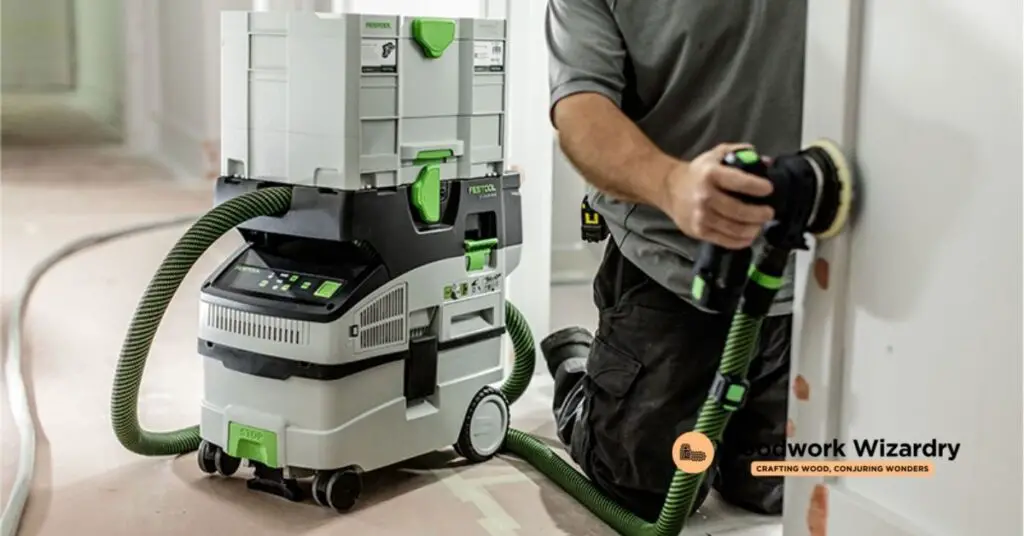
Shop vacs are designed for general cleaning tasks, excelling at removing large debris like wood chips or nails. You can rely on one for rugged cleanup in garages or construction sites. Dust extractors, but, focus on capturing fine dust particles, making them effective for tasks like sanding or woodworking. These tools also integrate better with power tools, ensuring continuous dust collection at the source of generation.
Power And Suction Capability
A shop vac usually features high suction power, making it ideal for collecting both wet and dry materials from surfaces. It handles heavier debris effectively but lacks precision with very fine dust. Dust extractors offer sufficient suction power paired with a steady airflow. They prioritize consistency for capturing airborne dust, which improves indoor air quality during operations where fine particles are created.
Filtration Efficiency
Dust extractors outperform shop vacs in air filtration, using technologies like HEPA filters to trap smaller particles. If minimizing airborne contaminants is crucial, a dust extractor ensures fine particles remain contained. While shop vacs can include basic filtration systems, they aren’t as effective for capturing extremely fine dust or allergens.
Pros And Cons Of Shop Vac
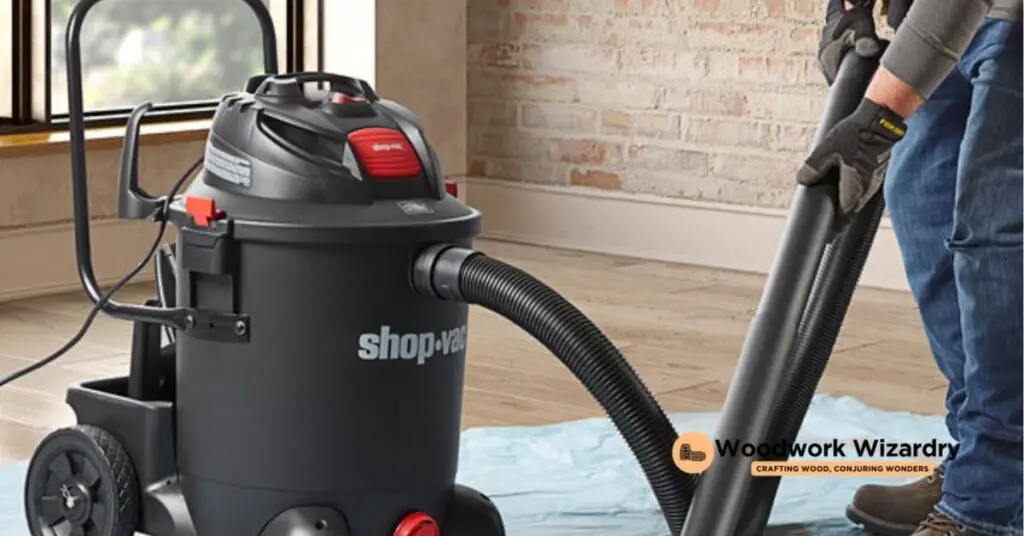
Shop vacs are powerful tools designed for rugged environments, making them versatile for cleaning up heavy debris. But, they come with exact advantages and limitations you should consider.
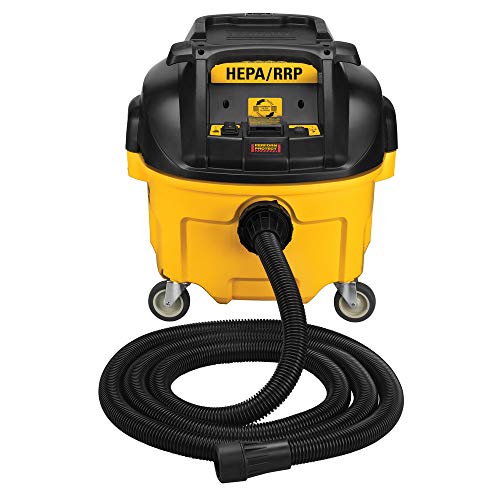
Automatic Filter Clean of the dust extractor pulses every 30 seconds for continuous operation without stopping to clean filter

HEPA Certified: HEPA filtration, adjustable high performance turbine. Capture dust without interruptions due to generous capacity of the 3.96 gallon (15L) container.

POWER: With strong airflow and suction power, the BOSCH VAC090AH dust collector delivers a maximum 150 cubic feet of air per minute rate (CFM), with a sustainable maximum 97 in. static water lift
Benefits
Shop vacs deliver strong suction capable of handling both wet and dry materials. You can use them to remove large debris like wood chips, nails, and even liquids, which provides excellent utility in construction sites or garages. Their simple design and powerful motor make them easy to operate for heavy-duty tasks. Many shop vacs are durable, ensuring long-term performance in demanding conditions. Accessories like wide hoses and extension wands enhance their functionality by increasing reach and capacity.
Drawbacks
Precision is not a strong point for shop vacs, as they struggle to capture fine dust particles efficiently. This limitation can make them less effective for tasks like sanding or woodworking. Filtration systems in shop vacs are often basic, with many models lacking advanced options like HEPA filters. This reduces their ability to trap smaller airborne contaminants, potentially affecting indoor air quality. Noise levels tend to be higher in shop vacs, making them less suitable for quieter workspaces. Compatibility with power tools is limited, which can hinder continuous dust collection during projects.
Pros And Cons Of Dust Extractor
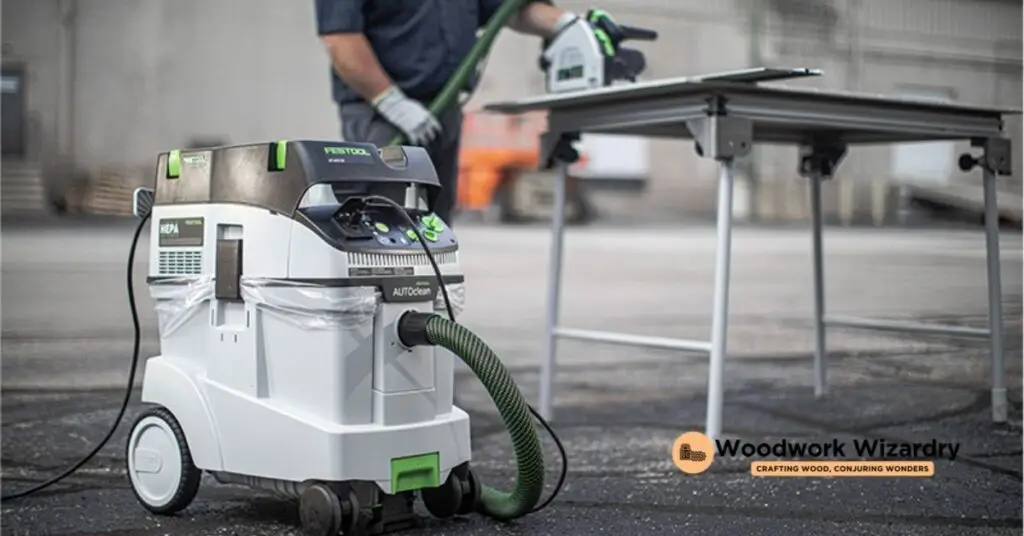
Dust extractors offer advanced features customized for capturing fine particles and ensuring cleaner air. They excel in environments requiring precision dust management and effective filtration.
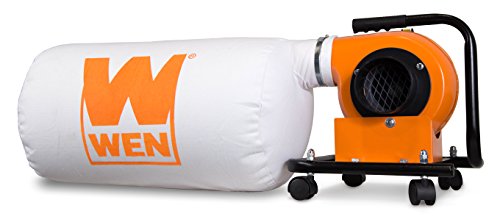
5.7-amp brushed motor combined with the 6-inch impeller moves up to 660 cubic feet of air per minute

Protect Your Lungs from Fine Resin Dust – This resin dust collector traps over 99% of airborne particles during sanding, drilling, curing, or polishing epoxy and UV resin. Ideal for resin artists tired of coughing, nasal irritation, or allergic reactions to craft dust.

【Rechargeable & Portable】 This MelodySusie Rechargeable Nail Dust Collector is equipped with a large-capacity lithium-ion battery, which only takes 2.5 hours to fully charge and can be used for up to 5 hours. It is very convenient to use cordless anytime and anywhere. Please note that when the nail dust collector charging button lights up red, you must use the charging cable to fully charge it until the green light comes on in order to use it wirelessly for a longer period of time.
Benefits
Dust extractors significantly enhance air quality by reducing airborne contaminants. HEPA filters, common in many models, capture particles as small as 0.3 microns, ensuring cleaner breathing conditions. Compatibility with a variety of power tools simplifies dust collection during sanding, cutting, or drilling tasks. Their design minimizes noise levels, making them more comfortable for indoor use. Stable airflow performance provides reliable suction over extended periods, ideal for professionals in woodworking or similar industries. Compact builds and easy maneuverability allow for efficient usage in smaller workspaces.
Drawbacks
Dust extractors often come with higher purchase costs compared to shop vacs. Their specialized functions make them less effective at handling large debris like nails or wood chips. Ongoing maintenance for advanced filtration systems, such as HEPA filters, adds to operating expenses. Smaller tank capacities require more frequent emptying during extended tasks. Reduced versatility limits their application outside of projects where fine particulate management is necessary.
Choosing The Right Tool For Your Needs
Selecting between a shop vac and a dust extractor depends on your exact situation. Understand your budget, workspace, and the type of projects you handle to make an well-informed choice.
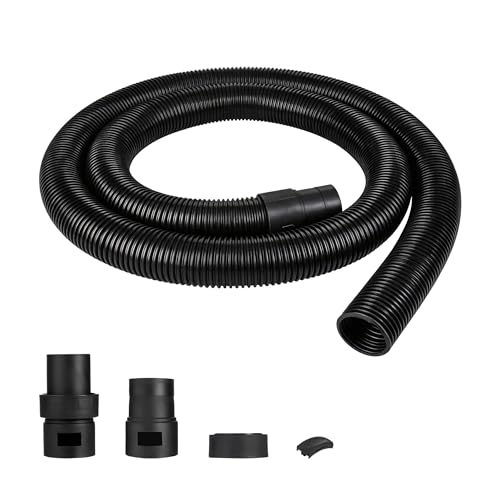
THE PERFECT LONG HOSE: This 8 Ft long Shop-Vac hose with a 2.5 in diameter connector end cuffs and will put an end to your headaches. These hoses are constructed of tough, durable vinyl and offer great flexibility to reach deep into those hard-to-reach areas.

Maintain Strong Suction: The dust collector collects most sawdust, wood dust, and other debris into the bucket before they enter the vacuum cleaner, reducing clogging of the vacuum cleaner filters and allowing the vacuum cleaner to maintain strong suction.

【✨ COLOR: WHITE】This nail dust collecting machine comes in a clean, modern white finish that fits seamlessly into any salon or home studio decor. Thanks to the 230W brushless motor and a 360° rotating dust hose that pulls out up to 23.62 inches, it helps keep your manicure station or dental work area free of debris, so you can focus on precision tasks without constant cleanup.
Budget Considerations
Evaluate your financial limits before choosing. Shop vacs are generally more affordable, with prices starting around $50 for basic models and extending up to $200 for high-performance options. Dust extractors, but, are an investment, often beginning at $300 and ranging upwards based on advanced features like HEPA filtration and tool compatibility. If you’re focused on cost-effectiveness and don’t require specialized dust control, a shop vac might fit better. Conversely, consider a dust extractor if overall air quality and fine dust removal are crucial for your work environment.
Space And Portability
Analyze your workspace and how easily you can move the tool. Shop vacs are bulkier but are designed to handle rugged environments like garages or construction sites. They typically have larger tanks, reducing the frequency of emptying. Dust extractors are compact and lightweight, ideal for smaller workshops or spaces where portability and maneuverability are key. Their smaller tank sizes align better with tasks requiring frequent material disposal. Opt for the tool that aligns with your available space and mobility requirements.
Exact Project Requirements
Match your choice to the debris type and project scope. Shop vacs excel at collecting large debris, such as wood chips and nails, making them ideal for construction cleanups or heavy-duty DIY tasks. Dust extractors are better for capturing fine dust from sanding, woodworking, or cutting, especially when connected to power tools. For projects prioritizing cleaner air and precise dust control, dust extractors outperform shop vacs due to their advanced filtration systems like HEPA. Assess the primary purpose of your tool to ensure it meets your project needs effectively.
Conclusion
Choosing between a shop vac and a dust extractor comes down to understanding your unique needs and priorities. Both tools have their strengths, but the right choice depends on the type of cleanup you face and the level of air quality you aim to maintain.
By evaluating your workspace, project demands, and budget, you can confidently select the tool that aligns with your goals. Whether you need heavy-duty debris removal or precise dust collection, the right investment will enhance your efficiency and create a safer, cleaner environment.

Click-Connect System: Our Flexible fittings conform to most handheld power tool dust ports and the Click-Connect feature of the dust collection hose lets you click the expandable hose in and out with speed and ease; this provides a secure fit and quick transition between tools

Sili FLEX FIT FITTINGS: Made from stretchable silicone on one end of the threaded fitting, the Sili Flex Fitting does away with having to search for the right fitting. Simply stretch the appropriate Sili Flex Fit fitting around the dust port and your ready to go!

【Professional Drill Dust Extraction Tool】The unique internal design and flexible seal to ensure dust containment, and professional dust extractor tool can provide a surface powerful suction of almost 8 lbs, it means that can be adsorbed to almost any surface easily and fast , giving you or family an eco-friendly and dust-free environment when drilling during extended use.